How to prepare your house for heavy rain and prevent costly water damage
Learn how to safeguard your home against severe rainfall and flooding with proven exterior grading techniques, structural maintenance, and interior flood-mitigation strategies.
Understanding the risks of heavy rainfall and water infiltration
3,000+
Flash flood warnings issued nationwide (July 2025)
+70%
Surge in flash flood reports above 10-year average
#2
Most common cause of property insurance claims
Source: Meteorological records & property insurance data
Severe rainstorms are occurring more frequently and with greater intensity across the United States. Meteorological records from mid-July 2025 showed more than 3,000 flash flood warnings nationwide—the highest count recorded to date—with overall flash flood reports surging 70 percent above the ten-year average. According to homeowner claims specialists, water damage is now the second most common source of property insurance claims. Because storm patterns continue to bring prolonged downpours and sudden flash flooding, following a homeowner’s guide to flood-proofing is necessary to preserve property value and structural integrity according to experts on preparing for water damage during extreme weather.
When heavy rainfall strikes, the volume of water can rapidly saturate the ground and overwhelm standard drainage infrastructure. As soil reaches full saturation, surface runoff accumulates against structural elements, creating hydrostatic pressure against foundation walls. Water searches for any structural pathway inward, exploiting masonry cracks, deteriorating window well seals, unsealed utility penetrations, and loose roof flashing. If drainage systems fail to disperse this volume rapidly, water pools in low-lying zones around the home, leading to basement seepage, crawlspace flooding, and envelope infiltration.
Allowing uncontrolled moisture into living areas can trigger long-term complications beyond the immediate cleanup. Water trapped behind wall cavities and beneath floorboards can lead to hidden rot, framing decay, and mold growth that degrades indoor air quality. Unresolved moisture issues also weaken foundation masonry and cause building materials to warp or delaminate. Addressing minor maintenance vulnerabilities before extreme weather arrives can prevent water and flood damage in homes, reduces repair expenses, prevents repeated claims, and keeps the home safe and habitable.
Exterior drainage and grading around the foundation
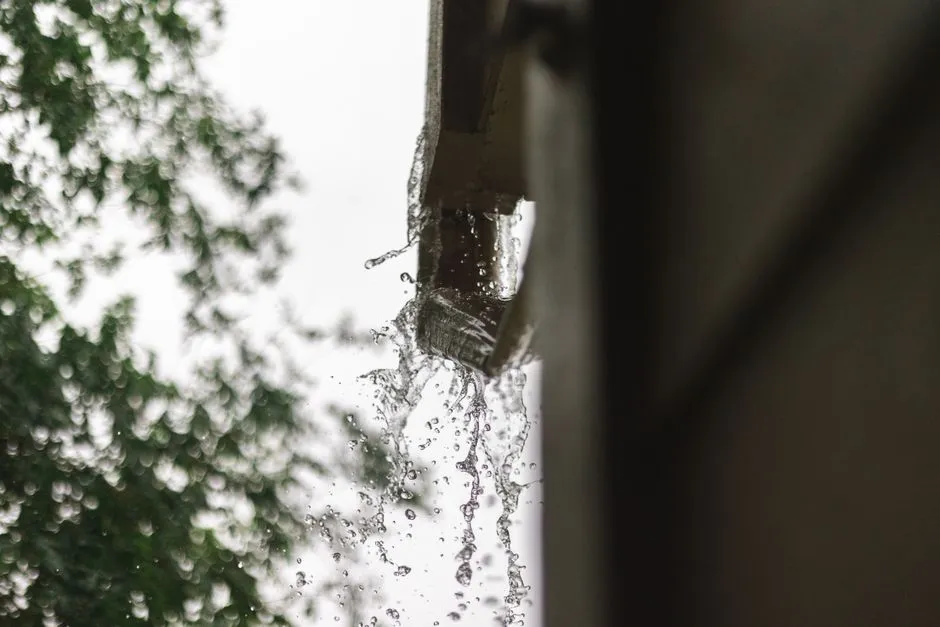
Directing runoff away from the home's perimeter is the primary line of defense against foundation leaks and basement flooding. The landscape immediately surrounding the structure should feature a positive slope of 5 to 10 percent, equivalent to a downward drop of approximately 6 inches to 1 inch per foot over a distance of at least 10 feet. Homeowners should inspect the soil perimeter for settling, fill any depressed areas with clean soil, and compact the ground firmly. Ensuring that backfill does not slope back toward the structure prevents surface pooling against the exterior masonry.
The roof drainage network must function efficiently to handle sudden surges of rainwater without overflowing. Gutters should be thoroughly cleared of accumulated debris, leaves, and twigs, and pitched with a minimum downward slope of one-sixteenth of an inch for every 10 feet of run toward the downspouts. If gutters routinely overflow during normal storms, property owners should consider retrofitting larger troughs or installing additional downspout drop points. Downspout extenders must channel discharge well beyond the home, ideally depositing water 6 to 10 feet away from the foundation so that discharge does not simply seep back into the basement walls.
Yard features, ground cover, and below-grade entryways require dedicated drainage pathways to handle runoff. Below-grade window wells should feature dedicated gravel drain pipes that tie directly into the home's footing drains; where practical, installing a modified, durable cover over the window well provides an extra barrier against direct downpours. Across the broader lawn, surface drains and swales must be kept clear of silt and organic buildup to allow unobstructed sheet flow away from structures. When planning landscaping, incorporating native ground covers and deep-rooted shrubs aids moisture absorption, while loose decorative mulches that wash away easily should be kept away from primary runoff paths.
Fortifying the building envelope: Roof, windows, and exterior walls
Building Envelope Storm-Hardening Checklist
- Inspect roof shingles and flashing — Check transition areas around chimneys, skylights, and vent pipes for loose seals or missing shingles.
- Trim overhanging tree branches — Clear limbs away from the roofline to prevent physical damage and keep gutters unclogged.
- Recaulk window and door frames — Remove weathered sealants and apply fresh waterproof silicone or polyurethane caulk.
- Check weatherstripping and clear weep holes — Replace worn weatherstripping and remove debris from sliding door tracks to allow drainage.
- Patch foundation cracks and masonry voids — Conduct a garden hose leak test and fill fissures with hydraulic cement.
- Seal utility penetrations and exterior vents — Tighten gaps where cables, pipes, and vents pass through exterior siding.
The roof is the initial barrier against intense storms, making routine inspections essential to catch leaks before they spread indoors. Property owners should examine the roof plane for cracked, curling, or missing shingles, paying close attention to transition zones such as skylights, vent stacks, and chimneys where flashing can loosen. In addition, overhanging tree branches should be trimmed back to prevent damage to shingles and to reduce leaf accumulation in gutters. For roofing assemblies older than ten years, or where structural sagging and soft spots are suspected, hiring a licensed roofing contractor ensures concealed moisture damage is addressed before severe storms arrive.
Windows, exterior doors, and exterior wall penetrations are vulnerable access points where wind-driven rain can penetrate the home. Homeowners should conduct an exterior perimeter check, inspecting the condition of caulking around all exterior frames. Any cracked, weathered, or peeling sealants should be scraped away and replaced with a fresh bead of high-grade waterproof silicone or polyurethane caulk. Worn weatherstripping along door perimeters and window sashes should be replaced promptly if drafts or daylight are visible, and sliding door tracks must be cleared of dirt and debris to keep bottom weep holes functional.
Foundation walls and structural junctions require testing and maintenance to eliminate hidden leak paths. Homeowners can use a garden hose along the exterior foundation perimeter during dry conditions to locate seep points, cracks, and masonry voids. Any identified holes or hairline fissures in foundation walls should be sealed with hydraulic cement or water-resistant sealants before the rainy season begins. Likewise, exterior siding, exterior vents, and gaps where utility pipes penetrate the wall envelope should be tightly sealed to stop wind-blown rain from migrating into wall cavities.
Interior protection and basement mitigation systems
Basement water removal equipment must be rigorously tested and supported by backup systems to protect subterranean spaces. Electric sump pumps should be tested prior to forecasted storms by pouring water into the sump basin to verify that the float switch activates properly and that water discharges smoothly away from the foundation. Because severe thunderstorms frequently trigger municipal power outages at the precise moment rain is heaviest, choosing the best battery backup sump pump for living in a flood zone or connecting the unit to an emergency generator prevents catastrophic flooding during blackouts. In addition, installing backflow or check valves in sewer and drain lines stops storm-pressurized municipal sewer water from reversing into household basement drains.
Mechanical systems, heating equipment, and electrical infrastructure should be relocated or elevated above projected water levels. Homeowners in vulnerable flood zones should hire qualified technicians to raise electrical meters, service panels, switches, and outlets higher on walls, while installing ground fault circuit interrupter (GFCI) protection to reduce electrocution hazards. Heavy appliances—including water heaters, furnaces, washing machines, dryers, and water filtration equipment—should ideally be placed on upper floors, mounted in reinforced attics, or elevated on sturdy concrete or masonry platforms at least 12 inches above expected flood water lines. For appliances installed in finished lower areas, overflow containment pans paired with dedicated drain pipes offer an added layer of security against plumbing ruptures.
Using moisture-resilient construction materials simplifies cleanup and drying if indoor seepage occurs. Rather than standard paper-faced drywall, finished basements benefit from cement board or non-paper gypsum wallboards installed horizontally with a gap between the upper and lower sheets. Caulking this horizontal seam stops moisture from wicking upward into higher wall sections, while leaving a gap at the bottom beneath removable baseboard molding allows inner wall cavities to drain and dry quickly. Structural framing built with corrosion-resistant metal studs and floors finished in ceramic tile or polished concrete resist water degradation better than traditional wall-to-wall carpeting, while removable area rugs can be cleaned off-site.
Safeguarding possessions, plumbing fixtures, and emergency readiness

Protecting household contents requires proactive storage strategies inside lower-level spaces. Belongings kept in basements or ground-floor storage areas should never rest directly on concrete floors; instead, storage should be arranged on elevated, rust-resistant metal or heavy-duty plastic shelving units. Irreplaceable keepsakes, historical family photographs, and vital legal documents should be housed in airtight, waterproof storage containers or stored permanently on upper floors. For maximum security, homeowners should maintain duplicate copies of critical financial and identity documents in an off-site deposit box or secure cloud repository, and temporarily evacuate prized personal items when significant regional flood warnings are issued.
Indoor plumbing fixtures and connected appliances must be inspected for existing weaknesses that severe weather events can aggravate. Supply lines running to washing machines, ice makers, dishwashers, and water heaters should be checked for corrosion, cracked rubber, or bulging hoses, and worn connectors should be replaced with braided stainless-steel lines. Every household member should know the precise location of the primary water shutoff valve, which should be clearly labeled and tested periodically to ensure it turns freely in the event of an indoor pipe break. Water heaters and utility basins should also be inspected for slow drips, rust stains, and surrounding dampness that indicate compromised integrity.
Developing and rehearsing an emergency storm protocol ensures a rapid response when extreme weather strikes. Residents should prep their home for wet weather by monitoring weather service alerts, remaining aware of local terrain drainage constraints, and inspecting downspouts and yard channels immediately before a storm hits. Inside the home, non-essential electrical equipment and sensitive electronics in vulnerable lower levels should be disconnected from wall outlets or connected to surge suppressors to avoid damage from electrical fluctuations. Combining exterior water diversion with interior fortifications and readiness checks helps homeowners protect their properties against the hazards of severe rainfall.
References

Best home appliances and tools to use during heavy rain emergencies
The psychology and history behind common bad luck beliefs

Related Posts
 HOME
HOMECaring for brown diamond jewelry to prevent scratches and maintain sparkle
Discover essential care, cleaning, and storage tips to protect your brown diamond jewelry from scratches and keep its unique sparkle brilliant.
 HOME
HOMEHow to organize indoor spaces to stay safe and dry during storms
Discover practical strategies for organizing and securing your indoor spaces to protect your home and family from rising floodwaters and severe storm winds.