Explore how the convergence of 5G speed, edge intelligence, and cloud computing transforms modern artificial intelligence applications across industries.
The rapid advancement of fifth-generation wireless networks has changed how digital systems handle information. When combined with artificial intelligence and cloud computing, 5G creates an integrated ecosystem that improves speed, capacity, and responsiveness. Traditional wireless networks often struggle with high latency and limited device densities, which can hinder complex data analytics. By using 5G infrastructure, organizations can overcome these constraints and deploy AI applications that require real-time data processing, massive bandwidth, and ultra-reliable low-latency communication.
The technical foundation of 5G AI systems

The synergy between 5G and artificial intelligence relies on a change in wireless network architecture. Unlike previous generations of cellular technology, 5G is engineered to support multi-gigabit peak data speeds, massive device connectivity, and ultra-low latency. These technical features include Enhanced Mobile Broadband, Ultra-Reliable Low-Latency Communication, and Massive Machine-Type Communications. Together, these capabilities provide the pipeline needed to stream large volumes of data from sensors, cameras, and connected devices directly into processing environments.
Artificial intelligence algorithms depend on continuous streams of rich data to detect patterns, recognize images, and process natural language. In a 5G-enabled ecosystem, machine learning models can run alongside network functions, ensuring real-time adjustments are made instantly. For example, network slicing uses Network Function Virtualization and Software-Defined Networking to create isolated virtual networks tailored to specific operational requirements. An AI application that requires high-throughput video streaming can operate on a dedicated slice separate from a mission-critical industrial control system, ensuring quality of service across all workloads.
To maximize these benefits, data processing must be distributed across a cloud-to-edge continuum. Centralized cloud infrastructure is still essential for resource-intensive operations like model training, where vast amounts of historical data are analyzed. However, model inference requires immediate, low-latency execution that cannot afford the round-trip delay of traveling to a distant cloud data center. By positioning AI workloads at multi-access edge computing nodes connected to 5G infrastructure, organizations improve responsiveness. This approach ensures that time-sensitive computations occur close to the data source while using the cloud for long-term storage and large-scale analytics.
Architectural advantages of cloud-to-edge integration
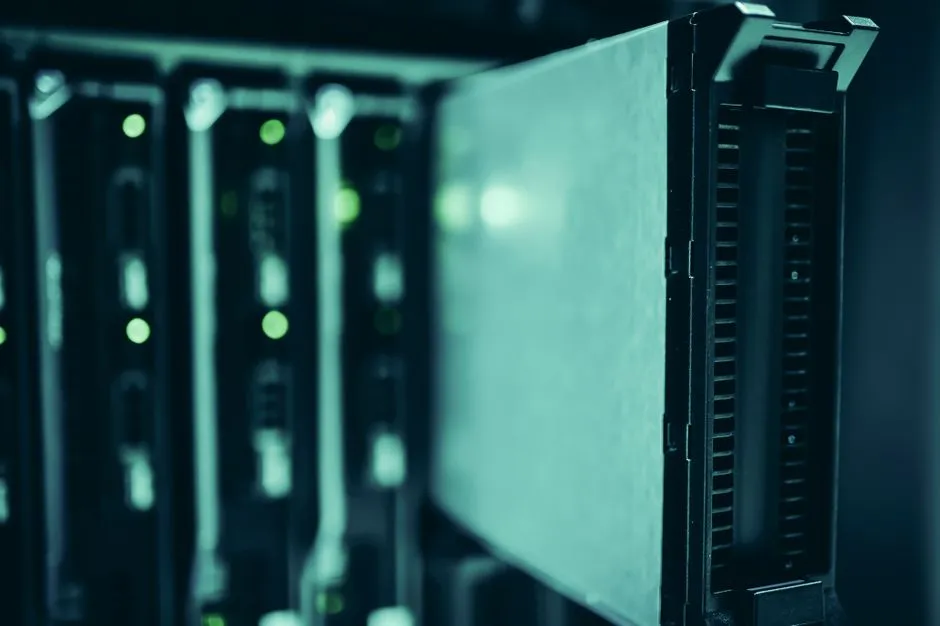
Moving artificial intelligence workloads away from local end-user devices and on-premises hardware solves performance and resource bottlenecks. Processing complex neural networks locally on a smartphone, vehicle, or IoT sensor often drains battery power and exhausts onboard memory, though the rise of on-device AI is beginning to address some of these efficiency gaps. Storing servers in local on-premises closets introduces physical security vulnerabilities, high operational expenses, and limited scalability. Transitioning these tasks to a 5G multi-access edge compute location resolves these challenges by using high-speed connectivity to offload heavy computational demands to nearby provider infrastructure.
The architectural shift from traditional 4G centralized models to 5G distributed ecosystems yields measurable performance improvements. In legacy systems, all data routes directly to a centralized cloud, producing transmission delays between 30 and 60 milliseconds and supporting limited device densities. Modern 5G cloud-to-edge models introduce intermediate edge nodes that cut end-to-end latency to approximately one millisecond while supporting up to one million connected devices per square kilometer. This reduction in delay improves data transfer, allowing artificial intelligence applications to react to dynamic environmental changes without lag.
This hybrid architecture also optimizes resource utilization by balancing workloads between edge nodes and centralized cloud servers. Telemetry data from 5G networks, vehicles, and edge servers can be analyzed by artificial intelligence models to predict optimal workload placements. If network traffic surges or signal conditions change, predictive algorithms can relocate application workloads to a more suitable edge facility in the same metropolitan area. This orchestration ensures that high-throughput streaming and critical decision-making processes maintain performance under varying network loads.
Real-world applications across industries
Overview of 5G and AI Cloud-to-Edge Industrial Applications
| Industry | Application | 5G & Edge AI Advantage |
|---|---|---|
| Smart Manufacturing | Predictive Maintenance | Real-time telemetry processing detects machine anomalies to prevent downtime. |
| Transportation | Vehicle-to-Everything (V2X) | Sub-millisecond data sharing improves route navigation and collision avoidance. |
| Healthcare | Remote Surgery & Telemedicine | Ultra-reliable streaming enables real-time diagnostic evaluation and precision procedures. |
| Consumer Tech | Cloud Gaming & AR/VR | Offloads graphics processing to edge nodes to eliminate latency and motion sickness. |
The practical implementation of 5G-enhanced artificial intelligence spans various industrial and consumer sectors. In smart manufacturing, edge-based AI systems analyze telemetry data from industrial machinery in real time to execute predictive maintenance. By identifying operational anomalies before mechanical failures occur, factories reduce downtime and production disruptions. Similarly, in intelligent transportation systems, vehicle-to-everything communication relies on low-latency links to share real-time speed, location, and traffic data between automobiles and roadside infrastructure, improving safety and navigation efficiency.
Healthcare is another sector changing through 5G cloud-to-edge integration. Telemedicine platforms and remote surgical assistants require reliability and sub-millisecond responsiveness to execute precise medical procedures from a distance. High-resolution video feeds and patient monitoring data stream through 5G networks to edge compute nodes, where AI diagnostic tools evaluate the information instantly. This expands access to specialized medical care, allowing urban medical experts to assist rural facilities without network-induced delays.
Consumer applications, including immersive augmented reality, virtual reality, and cloud gaming, also benefit from this convergence. Rendering complex graphical environments and tracking user interactions demand massive bandwidth and fast feedback loops to prevent motion sickness and lag. By offloading rendering and processing tasks to 5G-connected edge nodes, lightweight wearable devices can deliver realistic experiences. As telecommunications providers and enterprises refine these distributed networks, the integration of 5G speed and AI cloud computing will likely drive further innovations in smart cities, automated logistics, and digital services.
References

Related Posts
 TECH
TECHBest smartphone telescopes and binoculars for amateur astronomy
Discover how smartphone-integrated telescopes, Wi-Fi Go-To mounts, and stabilized binoculars are transforming modern amateur astronomy.
 TECH
TECHTop mobile applications for tracking real-time exoplanet transit data
Explore the best mobile applications and tools for tracking real-time exoplanet transit data, allowing citizen scientists to participate in planetary discovery.