It’s one of a homeowner’s worst fears, but preparing for a flood isn’t just about sandbags. It’s about a smart, layered strategy to protect your biggest investment and your peace of mind.
There’s a certain kind of helplessness that comes with watching water rise. Whether it’s a slow creep or a sudden surge, the thought of your home—your personal sanctuary, filled with memories and carefully chosen belongings—succumbing to flood damage is a deeply unsettling fear. I used to think of floods as distant, dramatic events on the news, something that happened to "other people" in specific, far-off floodplains. But the hard truth I’ve come to learn is that if it can rain where you live, it can flood.
The statistics are honestly staggering. According to FEMA, just one inch of water can cause upwards of $25,000 in damages to a home. And what’s more, a huge percentage of flood insurance claims come from homes that aren't even in high-risk zones. It’s a reality check that has shifted my perspective from "it won't happen to me" to "what can I do to be ready?" This isn't about succumbing to paranoia; it's about smart, proactive stewardship of what is, for most of us, our biggest financial and emotional investment.
So, let's talk about it. Let's walk through the practical, no-nonsense steps you can take. This isn't just a checklist; it's a strategy for resilience. We’ll cover what to do long before a storm is on the horizon, and how to handle the difficult aftermath if the worst does happen.
Before the Flood: Your Fortification Checklist
The absolute best time to prepare for a flood is when the sun is shining and there isn't a single storm cloud in the sky. Proactive measures are exponentially more effective (and less stressful) than last-minute panic. Think of this as creating layers of defense for your home.
First, and I cannot stress this enough, is understanding your insurance situation. A standard homeowner's policy almost never covers flood damage. This is a detail buried in the fine print that has financially devastated countless families. You need a separate flood insurance policy. Look into the National Flood Insurance Program (NFIP) or private insurers. It’s a recurring cost, yes, but it’s a fraction of what it would cost to rebuild your life from scratch. While you're at it, create a detailed home inventory—photos, videos, and receipts for major purchases. Store this digitally in the cloud so it’s accessible from anywhere.
Next, let's move to the physical structure of your home. Take a walk around your property. Does the ground slope away from your foundation? It should. If it doesn't, you might need to consider regrading the soil. This simple change can redirect thousands of gallons of water away from your house in a heavy downpour. Also, keep your gutters and downspouts clear of leaves and debris. Clogged gutters are a primary culprit for water pooling around the foundation, where it can easily find its way into your basement or crawlspace.
Inside the house, the lowest levels are the most vulnerable. If you have a basement, a sump pump is your best friend. I’d strongly recommend one with a battery backup, because power outages are incredibly common during the very storms you need the pump for. It’s also wise to elevate your critical utilities—your furnace, water heater, and electrical panel—off the floor. If they are in the basement, have a professional move them to a higher floor or, at the very least, raise them onto concrete blocks. This single step can be the difference between a manageable cleanup and a catastrophic, multi-thousand-dollar replacement bill.
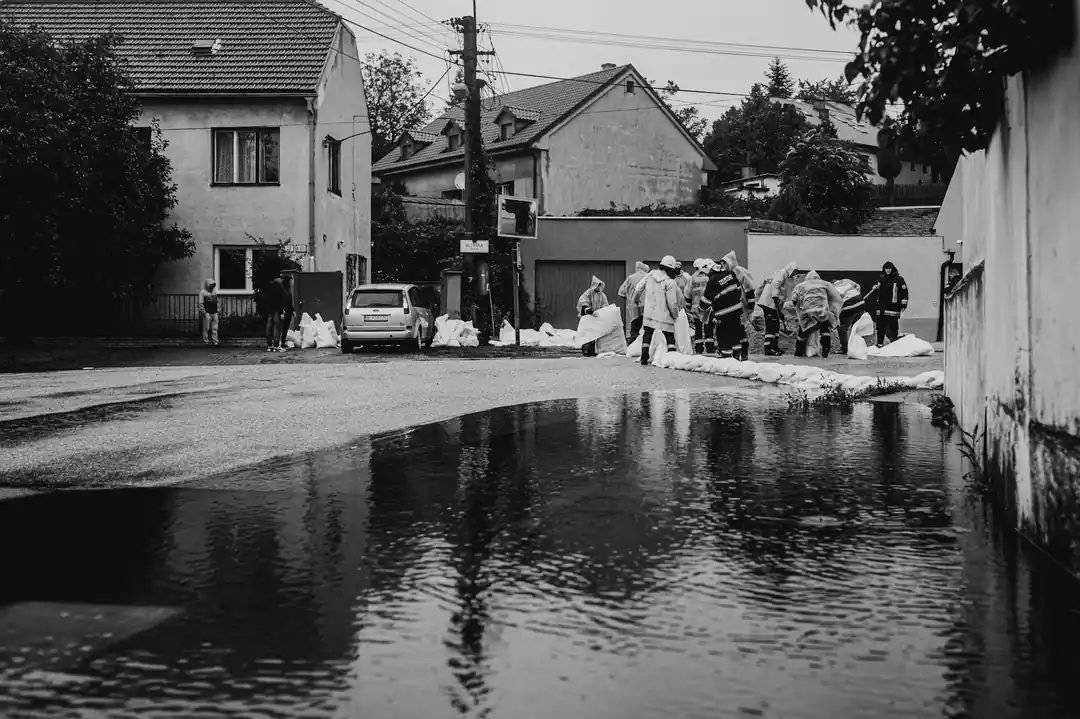
Finally, consider the openings. Sealing cracks in your foundation with masonry caulk or hydraulic cement can prevent water from seeping in. For more serious protection, you can look into installing flood vents, which allow water to flow through an enclosed area (like a crawlspace) instead of building up pressure and collapsing the walls. And for your doors and windows, you can buy removable flood barriers or have sandbags on hand. It feels a bit like overkill, until the day it isn’t.
After the Flood: A Methodical Path to Recovery
If you do experience a flood, the period immediately after the water recedes is critical. It’s chaotic, emotional, and overwhelming, but a clear-headed, methodical approach will save you time, money, and heartache in the long run.
The first rule is simple: your safety is more important than your stuff. Never enter a flooded home until you are sure it's safe. There are hidden dangers everywhere—structural damage, downed power lines, or contaminated water. Turn off your electricity and gas at the main source if you can do so safely. When you do go inside, wear protective gear: waterproof boots, gloves, and a mask are non-negotiable. Floodwater is a toxic soup of chemicals, sewage, and bacteria.
Before you move or throw away a single thing, document everything. This is your evidence for your insurance claim. Take photos and videos of every room, every piece of damaged furniture, every appliance. Be thorough. Open cabinets, photograph the water lines on the walls, and get close-ups of significant damage. Once you’ve documented it, contact your insurance agent immediately to start the claims process. They will have specific instructions for you to follow.
Now, the race against mold begins. Mold can start to grow in as little as 24-48 hours. You need to get your house dry as quickly as possible. If there's still standing water, use pumps or a wet-dry vac to remove it. Then, open every window and door to get air circulating. Use fans and dehumidifiers to speed up the process. You'll need to remove anything that got wet and can't be professionally salvaged—this includes carpet, padding, mattresses, upholstery, and drywall. It’s painful to throw things away, but holding onto waterlogged items is an invitation for a serious mold infestation.
Cleaning is a massive undertaking. Every surface that touched floodwater needs to be cleaned and disinfected. Hard surfaces can often be cleaned with a bleach solution, but porous materials are much trickier. Be honest with yourself about the scope of the job. For significant flooding, hiring a professional water damage and restoration company is the wisest course of action. They have industrial-grade equipment and the expertise to prevent long-term problems like hidden mold and structural rot.
The journey back from a flood is a marathon, not a sprint. It’s a process of rebuilding, cleaning, and making tough decisions. But it's also an opportunity to rebuild smarter and stronger. As you repair, you can make more resilient choices—installing waterproof flooring, raising outlets higher on the wall, and using flood-resistant insulation.
It’s a difficult topic, I know. No one wants to imagine their home in this situation. But by facing the possibility and preparing for it with a clear plan, you transform that feeling of helplessness into one of empowerment. You’re not just protecting a building; you’re protecting your future, your financial stability, and the place you call home.

Nourishing for Two: The Nutrients That Truly Matter During Pregnancy
The Homemade Spicy Chicken Sandwich That Will Ruin All Others For You

Related Posts
 INTERIOR IDEAS
Beyond Stark White: The Best Interior Paint Colors to Light Up Your New Space
Discover how moving away from flat white walls to soft pale blues, earthy sage greens, and cozy warm neutrals can naturally brighten your home.
 HOME IMPROVEMENT
The Honest Winter Energy Guide: How I Cut Heating Costs Without Freezing
Practical, research-backed ways to keep your home warm and your utility bills reasonable this winter, from simple DIY sealing to smart habits.

Popular Posts

Rethinking Non-Profit Promotion: Creative Strategies That Actually Drive Event Impact
Beyond Stark White: The Best Interior Paint Colors to Light Up Your New Space

How to Actually Master a New Language on Your Own (No Magic Gene Required)
