Discover the essential home appliances, safety tools, and preparedness gear needed to protect your household during heavy rain storms and flash floods.
Heavy rainstorms, severe downpours, and flash floods can cause serious damage to homes across the United States. As intense precipitation becomes more frequent, homeowners need more than just umbrellas and rubber boots. Preparing for these emergencies means having the right drainage appliances, power backups, water containment tools, and safety gear. Getting this hardware ready ahead of time can reduce water damage and keep communication lines open during power outages and flooding.
Water removal and drainage appliances
When torrential rains overwhelm city drains or seep past exterior barriers, water can quickly build up in basements, crawl spaces, and entryways. Getting water out quickly is necessary to prevent structural damage and property loss. Homeowners need mechanical tools that move large volumes of water efficiently without having to bail by hand.
Submersible utility pumps
A high-performance submersible utility pump is one of the most important tools for combating indoor flooding. Unlike standard household vacuums, utility pumps designed for disaster response can run continuously while fully submerged. The Green Expert 1/3HP Submersible Sump Pump is a good example for residential emergencies; it has an automatic built-in sensor that activates the motor when water levels rise to just 1/25 of an inch. This low suction level prevents water from pooling deep enough to breach interior doors. Capable of moving up to 33 gallons of water per minute when the discharge hose is level with the ground, these pumps quickly clear water from entryways and window wells. When selecting a pump, homeowners should look for models with automatic sensors and high gallons-per-minute (GPM) ratios to ensure they work unattended during overnight storms.
Dehumidifiers for post-storm moisture control
Once standing water is gone, lingering moisture can lead to mold growth and structural decay. Using a high-capacity dehumidifier is a key step for drying out basements and lower levels after a heavy rain event. The Midea 50 Pint Cube dehumidifier is a reliable choice, offering efficient moisture extraction in a compact, mobile design. With wheels, it moves easily to drainage points or floor grates. It can also be set to drain continuously through a hose into a floor drain, so you don't have to manually empty heavy water reservoirs. Running a dehumidifier after a storm prevents dampness from settling into drywall, framing, and belongings.
Power backups and emergency communication
Heavy rainstorms often bring high winds and lightning that damage electrical grids, leading to widespread power outages. Losing electricity cuts off sump pumps, refrigerators, medical devices, and communication. Dependable off-grid power ensures essential appliances keep working while you monitor safety updates.
Portable power stations and generators
Comparison of Emergency Power Backup Options
| Equipment / Model | Type | Operating Environment | Key Applications |
|---|---|---|---|
| Westinghouse iGen5000DFc | Gas-powered generator | Strictly outdoors (carbon monoxide hazard) | High running wattage for whole rooms |
| EcoFlow DELTA 2 Max | Portable power station | Indoors or outdoors safe | Sump pumps, refrigerators, communication gear |
| EcoFlow River 2 Pro | Portable power station | Indoors or outdoors safe | Laptops, mobile phones, CPAP machines |
While traditional gas-powered generators like the Westinghouse iGen5000DFc offer high running wattages for entire rooms, they must be used strictly outdoors to prevent carbon monoxide poisoning. For indoor use, portable power stations are a safe, quiet alternative. The EcoFlow DELTA 2 Max Portable Power Station has a large battery capacity and high AC output, capable of running sump pumps, refrigerators, and communication equipment. Similarly, the smaller EcoFlow River 2 Pro is a portable, durable solution with multiple AC and USB ports for laptops, phones, and CPAP machines. These battery-powered stations eliminate toxic fumes and noise, so residents can manage electrical needs from inside.
Emergency weather radios
Staying informed during severe weather requires communication hardware that works independently of cellular networks. The Midland ER310 emergency weather radio tunes into AM/FM and National Oceanic and Atmospheric Administration (NOAA) channels for real-time warnings. The ER310 has multiple power options, including a solar panel and a hand crank—one minute of cranking provides ten minutes of radio operation or several minutes of flashlight use. The unit includes an audible NOAA alert system and flashing displays to notify occupants of flash floods or tornado warnings if the power grid is offline.
Exterior defense and water diversion tools
Mitigating water damage starts outside the home. Managing rain before it reaches the foundation prevents most basement leaks and structural issues, as described in a guide to flood-proofing. Homeowners can use a few simple tools and adjustments to keep stormwater moving away from vulnerable entry points.
Gutter extenders and rain barrels
Drainage Maintenance & Freeze Warnings
- •Discharge stormwater downspouts at least 5 to 10 feet away from masonry foundation walls.
- •Drain rain barrels completely prior to freezing temperatures to prevent them from bursting.
Clogged or poorly directed roof drainage often leads to flooded basements. Gutter downspouts should discharge stormwater at least 5 to 10 feet away from the foundation. Flexible green downspout extensions route water onto absorbent ground rather than letting it pool against masonry walls. Additionally, installing 50-gallon rain barrels, such as the RTS Home Accents model, captures runoff for garden use and reduces surface pooling. These barrels must be drained before freezing temperatures arrive to prevent them from bursting.
Sandbags and flood barriers
When torrential rains threaten to breach doorways and garage entries, physical barriers are necessary. Traditional sandbags—canvas sacks filled with play sand—are a proven, low-cost way to redirect water away from low points. While water-activated polymer bags like Quick Dam Flood Bags allow for quick deployment, traditional sandbags are more durable against heavy hydraulic pressure. Stacking them in interlocking patterns creates an effective levee across garage doors and cellar steps, keeping runoff from overwhelming threshold seals.
Personal safety and cleanup gear
Entering floodwaters or cleaning up after a storm exposes residents to biological and physical hazards. Floodwaters often carry raw sewage, chemicals, and sharp debris. According to emergency safety guidelines, an emergency kit with the right personal protection tools reduces the risk of injury and infection during recovery.
Protective work wear and footwear
Personal Protective Cleanup Gear Checklist
- Heavy-duty cleanup gloves — Protects hands from broken glass, nails, and sharp branches
- Rubber rain boots — Shields feet against contaminated floodwater
- N95-certified respirators — Filters out airborne mold spores, dust, and pathogens during remediation
Navigating storm debris and wet surfaces requires specialized protective equipment. Heavy-duty cleanup gloves, such as Custom Leathercraft 124L Flex Grip WorkRight Gloves, protect hands from broken glass, nails, and branches while remaining flexible enough to tie ropes or use tools. These should be paired with rubber rain boots to shield feet from contaminated water. Those handling mold remediation or demolition should use N95-certified respirators, such as the 3M 8511 N95 Cool Flow Valve Particulate Respirator, to filter out mold spores, dust, and pathogens.
Emergency lighting and hand tools
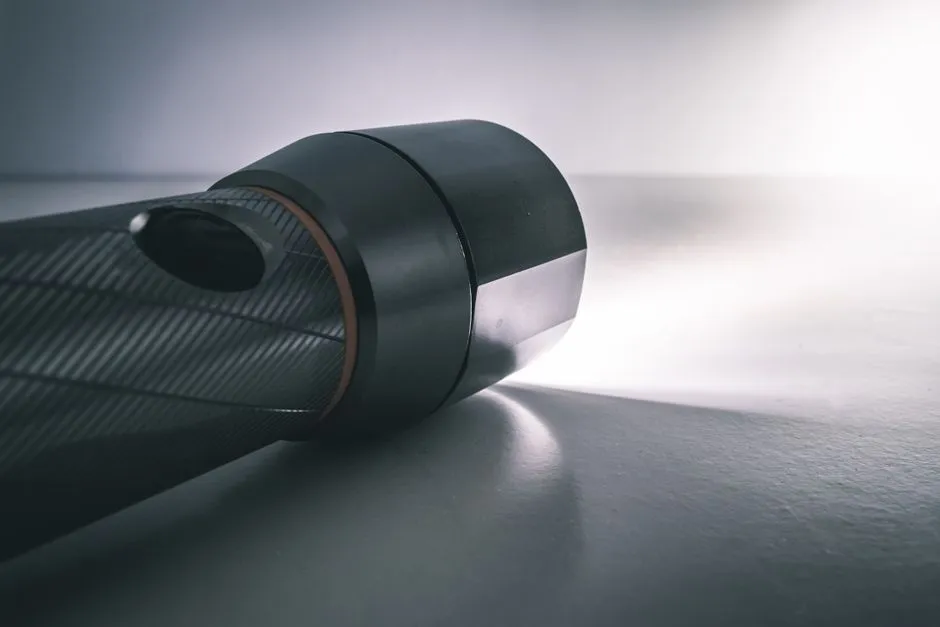
A multi-tool like the Leatherman Skeletool CX provides plier, cutting, and bit-driver functions for minor repairs or cutting tangled lines. Because visibility is often poor during severe rain and blackouts, reliable lighting is essential. The Black Diamond Spot 400 headlamp keeps hands free while navigating dark basements or managing generators. Supplementing headlamps with heavy-duty flashlights and alkaline batteries ensures light remains available after rechargeable devices run out. Stocking these recommended emergency supplies, drainage tools, and safety supplies helps households protect their properties from water damage.
References
How to organize indoor spaces to stay safe and dry during storms
How to prepare your house for heavy rain and prevent costly water damage
Related Posts
 HOME
HOMECaring for brown diamond jewelry to prevent scratches and maintain sparkle
Discover essential care, cleaning, and storage tips to protect your brown diamond jewelry from scratches and keep its unique sparkle brilliant.
HOMEHow to organize indoor spaces to stay safe and dry during storms
Discover practical strategies for organizing and securing your indoor spaces to protect your home and family from rising floodwaters and severe storm winds.