Discover why a battery backup sump pump is critical for flood zone living and review top-rated systems to protect your home from severe water intrusion.
The illusion of protection: Why primary sump pumps fail during storms
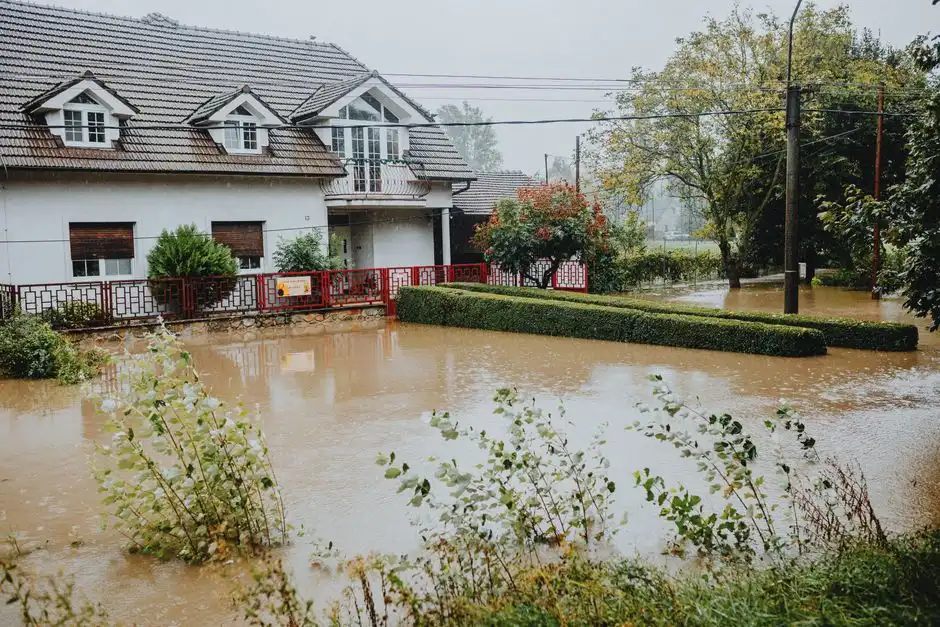
When evaluating flood prevention, homeowners often encounter a dangerous misconception: the belief that a primary electric sump pump alone provides total protection against heavy water intrusion. Many assume that as long as a high-capacity pump is in the basin, their basement or crawlspace is safe. However, the reality for plumbing and water management professionals is more complicated. Primary sump pumps rely on the home's electrical grid, and severe weather rarely brings heavy rain without also threatening power lines. When the grid fails, the primary pump is useless, leaving the home vulnerable to rapid flooding.
This vulnerability is most obvious during regional storm seasons, hurricane threats, and severe summer thunderstorms. High winds, lightning, and overwhelmed municipal infrastructure often lead to widespread power outages exactly when groundwater is rising the fastest. Relying solely on a primary pump during these events is a gamble with the structural integrity of your foundation and the investment in finished basement spaces. Homeowners need a secondary system that automatically takes over the moment main power drops. The decision then comes down to selecting a backup system that balances runtime, flow rates, and specific home infrastructure requirements.
To bridge this gap during a power failure, battery backup sump pumps are the most common and reliable solution. These systems operate independently of the home's main electrical panel, drawing energy from large, dedicated deep-cycle or marine-style batteries. When the primary pump loses power or cannot keep up with the volume of incoming water, a secondary float switch triggers the battery-powered unit. Understanding how these systems function during an extended outage is important for anyone living in a high water table or designated flood zone to ensure continuous operation when municipal services fail.
How battery backup systems function during extended outages
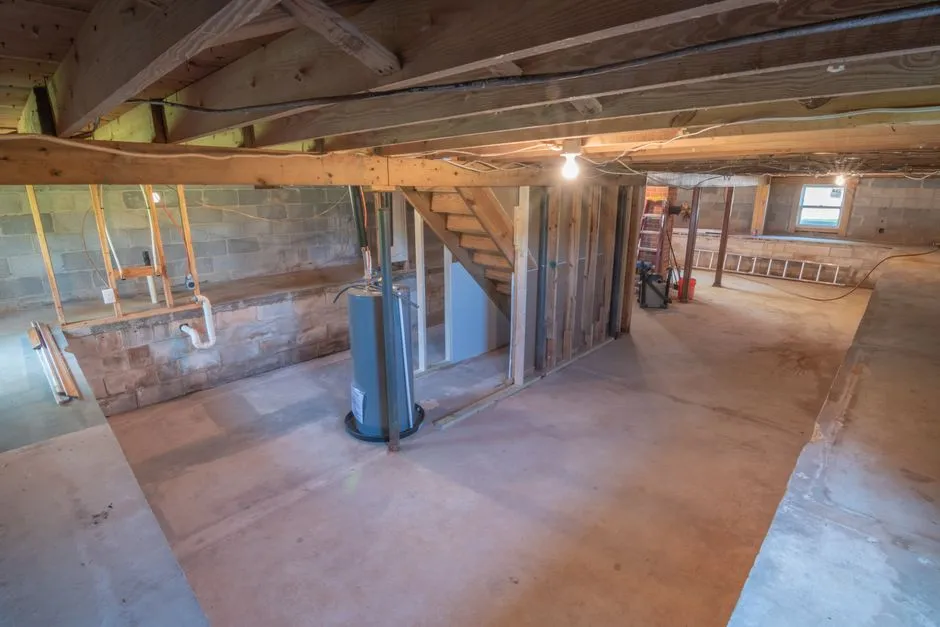
A reliable battery backup system operates in several stages to maximize efficiency and conserve power. First is automatic engagement, where the system monitors the water level in the sump basin independently of the main unit. If the water rises past the primary float switch without the main pump activating due to a power outage, the secondary float switch engages the backup pump. This transition prevents water from accumulating further, stopping potential damage in the lower levels of the home.
The second stage is high-volume water displacement, which is a necessity for severe weather. Heavy-duty battery backup pumps are designed to move thousands of gallons of water per hour out of the pit and away from the foundation. This volume is essential during intense rainfall, including during a bomb cyclone, when the basin fills rapidly. To balance this output with finite stored electricity, these systems use intermittent cycling. The pump only runs when the basin is full, conserving energy while providing protection during prolonged storms.
Once grid power is restored, the system's charger automatically replenishes the battery. Many modern units also include diagnostic panels, audible alarms, and Wi-Fi connectivity that alert homeowners via smartphone if the battery requires maintenance or replacement. While these systems are automated, they still require attention. Batteries degrade over time—typically needing replacement every three to five years—and routine manual testing is needed to ensure the mechanical floats move freely and the charger works.
Comparing top-tier backup sump pump systems on the market
When outfitting a home in a flood zone, the right hardware can mean the difference between a dry basement and a disaster. Preassembled combination systems, such as the Basement Watchdog Combo CITS-50 or the Wayne WSS30VN, offer dual protection by packaging a heavy-duty primary pump and a dedicated battery backup unit together. Combination systems are ideal for homeowners overhauling an aging setup, providing copper-wound motors, high flow rates, and integrated controllers that monitor system health. These units are designed to handle high water tables and intense rainstorms without overheating or failing mid-cycle.
For homes with older infrastructure, tighter sump pits, or existing primary pumps that still work well, standalone backup units like the Basement Watchdog Special CONNECT (BWSP) or specialized inverters provide redundancy. Standalone backups fit beside an existing primary pump, using independent float switches and dedicated battery banks. Meanwhile, professional solutions like the Zoeller AquaNot ProPak offer heavy-duty components for demanding service in high-risk environments. Choosing between these requires analyzing pit dimensions, local water table heights, and whether smartphone monitoring is a priority.
Regardless of the brand or model, proper sizing and battery chemistry are essential for flood zone residents. Deep-cycle AGM (Absorbed Glass Mat) or maintenance-free wet cell batteries are typically recommended to deliver the sustained amperage required by 12-volt pumps. Standard automotive batteries are unsuited for this because they are designed for short bursts rather than deep, prolonged discharge cycles. By pairing a high-capacity backup pump with a properly rated deep-cycle battery and an annual testing schedule—a key part of any home maintenance playbook—homeowners can establish a resilient defense against rising groundwater.
References

Best delivery strategies for small businesses
How to replace a failed sump pump before a summer storm to protect your basement
Related Posts
HOMEHow to replace a failed sump pump before a summer storm to protect your basement
Learn how to identify a failing sump pump, test your system, and replace an aging unit before summer storms cause severe basement flooding.
 HOME IMPROVEMENT
Your First Apartment: A No-Stress Guide to Finding a Place You'll Love
Embarking on your first apartment hunt is a major life milestone. It's exciting, sure, but it can also be overwhelming. Let's walk through it together, step-by-step.