Discover practical strategies for organizing and securing your indoor spaces to protect your home and family from rising floodwaters and severe storm winds.
Understanding indoor storm risks and vulnerabilities
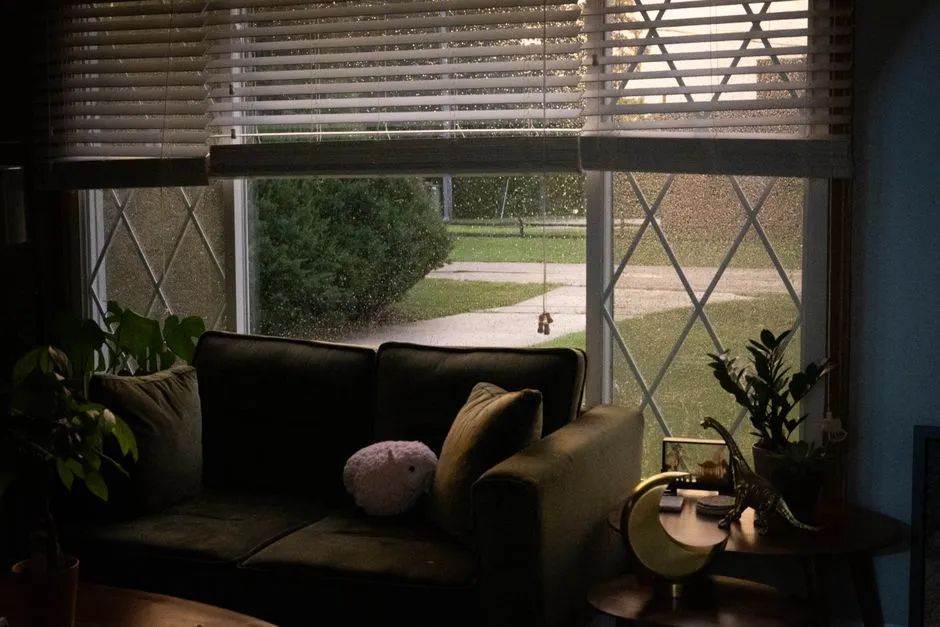
Preparing your home for severe weather requires looking at how water and wind interact with your living spaces. When heavy rainfall, tropical storms, or hurricanes strike, moisture and high-speed winds test every weak point in a building's envelope. Knowing these hazards helps you organize and fortify your indoor spaces to minimize structural damage and safety risks. Water always seeks the path of least resistance, often infiltrating basements through foundation cracks or poor exterior drainage, which can lead to musty odors, mold growth, and compromised building materials; learning how to prepare your house for heavy rain and prevent costly water damage and following a rainy season survival guide can help you identify these vulnerabilities.
Beyond subterranean moisture, roofs and attics are equally vulnerable during severe downpours. A few missing shingles or worn-out flashing seals can let water pour into an attic, destroying insulation and creating hidden pockets of moisture that threaten structural integrity. Inside living areas, high winds present a different danger, especially in multi-story or high-rise buildings where wind forces increase at higher elevations. You should recognize that standard rooms can quickly become hazardous if windows shatter or exterior walls are compromised by flying debris, particularly when a bomb cyclone strikes.
To mitigate these risks, look closely at your home's layout and identify spaces that offer the most structural protection. Mold thrives in damp, poorly ventilated environments, meaning any moisture that gets indoors during a storm can trigger long-term health concerns. By addressing vulnerabilities before a storm hits—such as inspecting seals, managing indoor drainage systems, and designating protective zones—you establish a resilient baseline that keeps your household safe and dry.
Selecting and organizing interior safe zones
3 sq ft
Minimum floor space per person for short events (tornadoes)
7 sq ft
Minimum floor space per person for extended events (hurricanes)
Source: FEMA Guidelines
When severe winds, tornadoes, or hurricanes threaten your area, designating an interior safe room is one of the most effective safety measures you can take. Official guidelines emphasize that the safest place in a building during high-wind events is an interior room without windows, putting as many walls as possible between you and the outside elements. To learn how to create a safe room in your house, prioritize areas like a windowless interior bathroom, a sturdy walk-in closet, or a central hallway that can serve as a storm shelter during emergencies.
Base the size and organization of your safe zone on the expected duration and nature of the storm. For short events like tornadoes, FEMA recommends at least 3 square feet of floor space per person, as these storms pass quickly and immediate shelter is more important than physical comfort. However, for extended events like major hurricanes that can last 24 hours or longer, plan for at least 7 square feet per person to accommodate movement, sleeping arrangements, and essential supplies. Organizing these zones ahead of time ensures occupants can shelter without tripping over clutter.
In these designated interior spaces, store heavy protective items close at hand, such as mattresses and helmets, which can shield against flying debris or structural impacts if the building's envelope is breached. Ensure that the pathways leading to your safe room remain unobstructed by furniture, storage boxes, or loose items. By maintaining a clean, accessible, and well-provisioned interior shelter, you save time when local officials issue immediate shelter-in-place warnings.
Stocking emergency supplies and resource management
Safe Zone Supply Staging Checklist
- Food and potable water — Non-perishable foods and a manual can opener
- Backup power and communication — Cell phones, power banks, and hand-crank or battery weather radio
- Emergency lighting — Heavy-duty flashlights with extra batteries
- First aid and medications — Complete first aid kit and essential daily prescriptions
- Emergency sanitation supplies — Heavy-duty bucket, trash bags, and toilet paper
- Waterproof storage and bedding — Sealed plastic bins, blankets, and pillows
An organized storm-safe indoor space needs a well-stocked supply kit. Because severe weather can knock out utilities, disrupt supply chains, and trap residents indoors for days, your safe zone must be stocked for self-sufficiency. Guidelines suggest equipping your safe room or emergency staging area with non-perishable foods, a reliable manual can opener, and ample bottled water. Proper organization ensures that supplies remain dry, uncontaminated, and easy to locate even in total darkness.
In addition to food and water, your emergency stash should include communication tools, medical supplies, and sanitation items. Essential items include a fully charged cell phone with portable power banks, a two-way radio, heavy-duty flashlights with extra batteries, a first aid kit, and any necessary prescription medications. Because most interior safe rooms lack plumbing, organizing a sanitation corner with a heavy-duty bucket, trash bags, and toilet paper is essential for maintaining hygiene. Storing these items in labeled, waterproof plastic bins protects them from humidity and leaks.
Blankets, pillows, and basic comfort items should also be part of your plan, particularly for households with children, elderly family members, or pets who may feel anxious during severe storms. Keep a battery-operated or hand-crank weather radio accessible to stay protected during storms by monitoring Wireless Emergency Alerts and updated forecasts from local officials. Organizing these resources transforms a bare interior room into a functional survival hub capable of weathering prolonged outages.
Managing vertical evacuation and flood mitigation indoors

When extreme weather brings rising floodwaters or storm surge into residential areas, your priority must shift toward vertical evacuation and moisture control. If your home begins to flood while you are sheltering in place, move yourself and your family to higher levels of the structure. Avoid ground-floor rooms, basements, or low-lying areas where water can accumulate rapidly and trap occupants. Moving to a second floor or an upper-level hallway provides a critical buffer against rising water, and following a homeowner’s guide to flood-proofing can help you better prepare for these risks.
In worst-case scenarios where floodwaters continue to rise and threaten even the upper levels of your home, you must plan for roof access. If the highest floor becomes dangerously compromised, residents must find a way to access the roof safely to signal for help and contact emergency services. Keeping attic access hatches clear of holiday decorations and boxes ensures you can reach the roof without delays. Never store heavy or immobile items in front of emergency escape ladders or attic stairways.
At the same time, manage indoor spaces by fixing minor leaks before they become major floods. Homeowners should inspect window frames, exterior doors, and basement walls for gaps, ensuring weatherstripping and waterproof caulking are intact before the rainy season begins. If your basement has a sump pump, test it regularly by pouring water into the pit to verify that it activates. By combining proactive sealing with clear vertical escape routes, you protect your home against both floodwaters and heavy rain.
References

How to protect your personal savings against high inflation
Best home appliances and tools to use during heavy rain emergencies

Related Posts
 HOME
HOMECaring for brown diamond jewelry to prevent scratches and maintain sparkle
Discover essential care, cleaning, and storage tips to protect your brown diamond jewelry from scratches and keep its unique sparkle brilliant.
HOMEBest home appliances and tools to use during heavy rain emergencies
Discover the essential home appliances, safety tools, and preparedness gear needed to protect your household during heavy rain storms and flash floods.