A comprehensive guide on how to prepare for the culminating phases of a vision quest, drawing from traditions, community support, and personal readiness.
Understanding the vision quest framework
Phases of the Vision Quest Journey
1. Preparation Phase
Focusing on mental groundwork, clarifying intentions, and completing logistical preparations.
2. Threshold Ceremony
Transitioning into wilderness solitude, setting boundary markers, and undergoing isolation.
3. Lifelong Integration
Returning from solitude to apply insights, shared wisdom, and personal clarity into daily life.
A vision quest is an ancient, cross-cultural rite of passage designed to remove individuals from the distractions of daily life. By stepping away from modern comforts, participants quiet the mind and body to communicate with nature, their inner selves, and the sacred. Traditionally a journey to a sacred mountain or isolated wilderness, this ritual requires coordination across multiple stages. The experience is typically divided into three phases: preparation, the threshold ceremony in isolation, and lifelong integration.
The final exam sequence—encompassing the final preparatory meetings, threshold setup, and the transition into solitude—requires physical, mental, and spiritual alignment. Participants confront their internal resistances, organize their packing lists, and rely on the support provided by guides, mentors, and community systems. The success of the final sequence depends on safety, shared wisdom, and psychological readiness, often requiring a real-talk guide to safety in remote locations. Navigating this stretch means moving from abstract intention to the reality of the wilderness.
The preparatory phase and mental readiness

Before an individual steps foot onto a sacred mountain or wilderness boundary, the preparatory phase sets the groundwork. This phase can last for months or years, involving self-reflection on the reasons for undertaking the journey. Prospective questers ask themselves why they are going, whether it is a life crisis, a milestone, a transition in parenting, or an existential yearning. Journaling and exploratory sessions help articulate these intentions, turning vague curiosities into a focused spiritual inquiry.
Mental readiness also involves confronting personal fears and logistical hurdles that surface during final preparations. Whether participants are struggling with long-held anxieties, physical limitations, or ritual requirements like crafting prayer ties and measuring offerings, the weeks leading up to the threshold test emotional endurance. Guidance from experienced mentors helps normalize these frustrations. Mentors ensure that physical needs—such as medications or medical adaptations—are safely integrated into the plan, showing that mental toughness is not about brute-forcing through discomfort, but about honest surrender and solving problems together within a community.
Logistical planning and packing discipline
Essential Wilderness Packing Checklist
- Sleeping Bag and Pad — Required for insulation and night comfort
- Tent or Protective Tarps — Constructs temporary shelter and boundary
- Rain Gear and Layered Clothing — Protects against sudden temperature swings and weather
- Hydration Tools and Prescribed Medications — Mandatory health and safety essentials
- Journal and Writing Utensils — Used to record visions, intentions, and self-reflection
- No Prohibited Items — Ensure books, weapons, matches, and illicit substances are left behind
Moving from conceptual preparation to physical execution requires following packing guidelines and survival logistics. Because participants spend days away from modern amenities in variable weather, the packing list is a vital survival and psychological anchor. Essential gear typically includes a reliable sleeping bag and pad, a tent or protective tarps, rain gear, closed-toe shoes, layers for extreme temperature swings, and a journal with pens as outlined in preparation guides. Strict rules are enforced to maintain safety and focus: books, weapons, matches, jewelry, and illicit substances are prohibited, while hydration tools and prescribed medications are mandatory.
Established communication systems, such as daily check-ins using marker boxes or direct contact with quest protectors, maintain safety during the isolated sequence. While participants generally fast from food for a set period, maintaining hydration and physical safety is critical. Quest protectors establish a secure perimeter and monitor health and wellness while allowing the quester autonomy within their marked boundary circle. This balance between solitude and external protection reduces wilderness risks like insect bites, weather extremes, and wildlife encounters, so the quester can focus entirely on their inner process.
Entering the threshold and embracing solitude
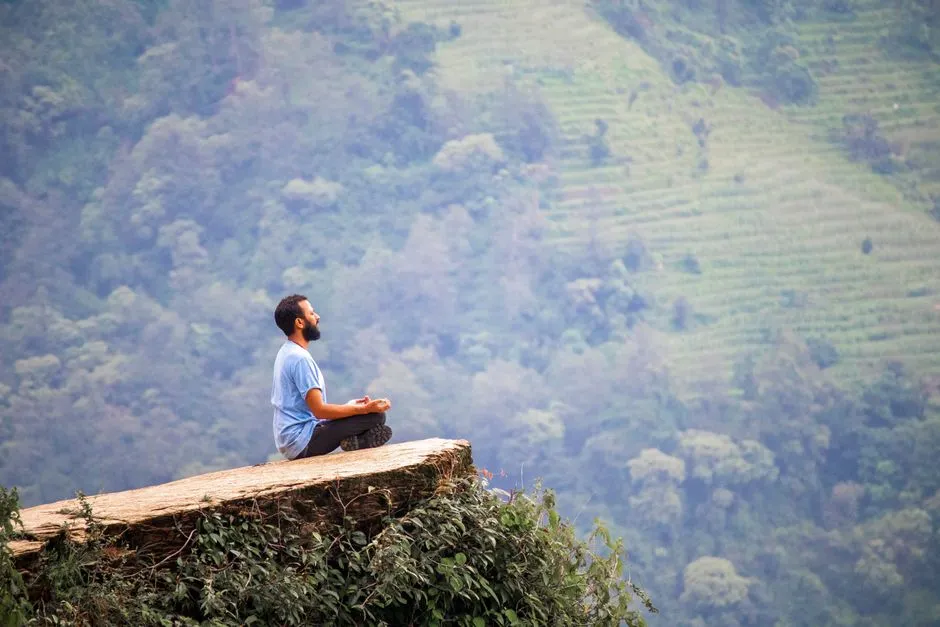
The threshold ceremony marks the physical transition from the base camp into the sacred space of the wilderness. Before departing, participants often engage in farewell rituals featuring music, poetry, prayer-poems, and personal intentions set within a small circle of stones. Guided by mentors, questers locate their "place of power" in the forest—often near flowing streams, rock formations, or ancient trees. Here, they set up a temporary camp, construct personal altars, and place boundary markers to delineate their sacred space for the isolation period.
The first night in total wilderness isolation often triggers primal fears of the dark, the unknown, and internal emotional baggage as shared in Oswaldo Montoya's vision quest story. Practices such as symbolic burials, fasting, or meditative reflection inside a tarp shelter allow questers to let go of past traumas, aging, and worldly identity. Despite the initial intimidation of the elements, this period of silence and exposure strips away superficial distractions. This stillness allows for introspection, helping the participant listen to the subtle voices of nature, confront psychological truths, and emerge with a renewed sense of purpose.
References

The role of community endorsement in vision quest achievements
Language immersion strategies for vision quest experiences in North America

Related Posts
EDUCATIONThe role of community endorsement in vision quest achievements
An exploration of how community support, recognition, and integration are essential to the transformative journey of a vision quest.
EDUCATIONLanguage immersion strategies for vision quest experiences in North America
An analysis of how Native American language immersion programs provide the essential cultural and linguistic foundation for authentic vision quest rites of passage.