An in-depth look at why people continue to believe in superstitions, exploring the psychological mechanisms and historical origins of common bad luck beliefs.
The nature of superstitions and why they persist
Superstitions are beliefs or practices that link specific actions, objects, or events to outcomes of good or bad luck, operating outside of scientific evidence. Despite the lack of logical foundation, these beliefs influence human behavior and decision-making. The American Psychological Association notes a psychological paradox: individuals can recognize in the moment that their superstitious behavior does not make logical sense, yet they act upon it regardless. This suggests that superstitions bypass rational analysis, tapping into the emotional centers of the brain to address deep-seated anxieties.
The driver behind superstitious behavior is the human need for control in uncertain situations. Behavioral scientist Dr. Stuart Vyse explains that superstitions typically emerge when people care deeply about an outcome but cannot control it. This attempt to create an illusion of control was illustrated by psychologist B.F. Skinner’s experiments with pigeons. When the birds were given food at regular intervals regardless of their actions, they developed unique, repetitive rituals, as if they believed their movements caused the food to arrive. Humans engage in similar trial-and-error behaviors, adopting actions that coincidentally preceded a positive outcome and repeating them to capture that luck again.
Beyond the desire for control, specific cognitive biases sustain superstitious thinking. The human brain is wired to seek patterns and establish cause-and-effect relationships to make sense of the world. Once a superstitious belief is adopted, confirmation bias leads people to subconsciously scan their environment for evidence that validates the belief while ignoring contradictory information. Superstitions can also operate as self-fulfilling prophecies. If someone encounters what they perceive as a bad omen, their resulting anxiety can cause them to make mistakes, which they then attribute to the bad luck rather than their own state of mind.
The origins of common bad luck beliefs

Many pervasive superstitions have historical roots that span centuries, such as the widely held fear of Friday the 13th. You can explore the origins and history of Friday the 13th to see how this belief evolved. The number 13 became associated with bad luck largely due to Christian tradition, specifically the Last Supper, which featured 13 people at the table prior to the betrayal of Jesus. Independent of the numerical fear, Friday was historically considered an unlucky day in much of Europe because it was the traditional day for public hangings. By the late nineteenth century, these two distinct superstitions merged into a single dreaded date. The fear of this number is so ingrained that it influences modern architecture and real estate; studies have shown that approximately 80 percent of high-rise buildings in New York City omit a designated 13th floor, whereas in Moscow, apartments on the 13th floor are sometimes offered at a financial discount to incentivize buyers.
The belief that a black cat crossing one’s path brings bad luck reflects a historical shift in cultural perception. In ancient Egypt, cats were revered and associated with divinity, prosperity, and protection. However, during the Middle Ages in Europe, cats—and black cats in particular—became linked with witchcraft, evil spirits, and the Devil. The fear that witches could transform into black cats or use them as supernatural familiars turned a simple animal encounter into an omen of misfortune. This negative association is not universal; for example, among the families of British sailors and fishermen, black cats have traditionally been considered symbols of protection and good fortune.
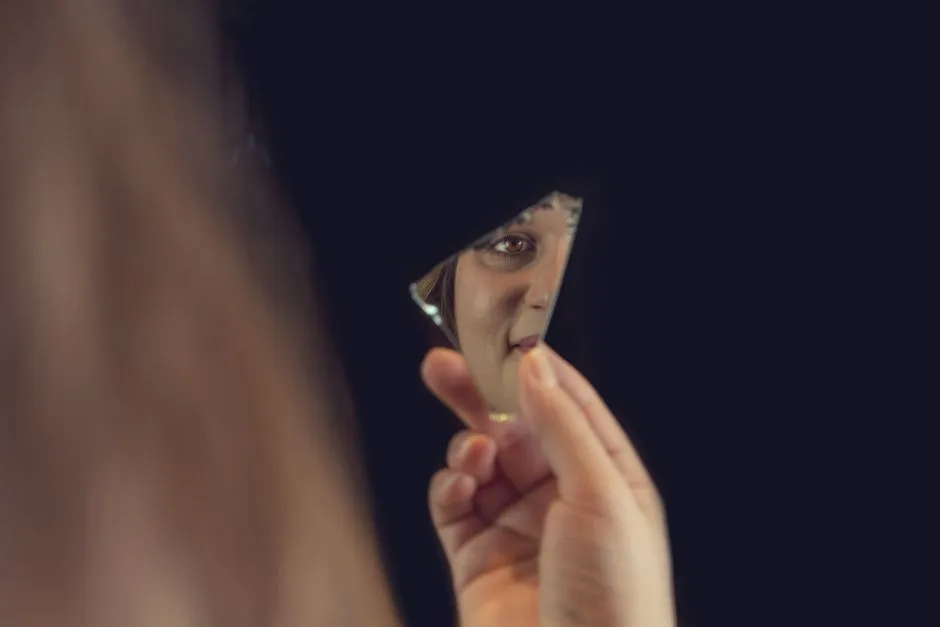
Superstitions involving household items like mirrors and ladders stem from a combination of ancient spiritual beliefs and religious symbolism. The idea that breaking a mirror yields seven years of bad luck originates from ancient cultures that viewed reflections not simply as optical phenomena, but as manifestations of the human soul or life force. Damaging a reflection was thought to inflict spiritual harm on the individual. The specific duration of seven years is often traced to a Roman belief that human life renews itself in distinct seven-year cycles, meaning the spiritual damage would take a full cycle to heal. Similarly, the superstition against walking under a leaning ladder is tied to Christian symbolism, as the ladder leaning against a wall forms a triangle representing the Holy Trinity. Walking through this shape was historically considered a violation of a sacred space.
The global reach of the evil eye and unlucky numbers
Global Protective Amulets and Numerical Traditions
| Culture / Region | Symbol or Practice | Associated Meaning and Function |
|---|---|---|
| Italy | Horn-shaped charm & oil diagnostic | Worn to deflect the malocchio; olive oil in water is used to confirm curses |
| Middle East | Hamsa | Hand-shaped amulet with a central eye to distract or reflect harmful envy |
| Turkey | Nazar | Blue and white glass bullseye designed to stare back at malevolent glares |
| China | Number homophones (4 and 8) | Avoiding 4 due to similarity to 'death' and favoring 8 for 'prosperity' |
The concept of the "evil eye"—the belief that a malevolent glare born of envy can cause harm—is shared by various cultures across the globe. Known as "malocchio" in Italy, the phenomenon is also a prominent belief throughout South Asia, the Middle East, and South America. The premise is consistent: an individual who possesses something highly valued, such as a new child, physical beauty, or sudden wealth, becomes the target of a jealous stare that brings about a curse. This fear of envy highlights a shared psychological anxiety regarding the fragility of good fortune and the danger of standing out within a community.
To combat the evil eye, cultures have developed various protective countermeasures and rituals. A global industry of protective amulets exists to distract or reflect the harmful gaze. In Italy, a horn-shaped charm is commonly worn, while Middle Eastern cultures frequently use the Hamsa, a hand-shaped symbol often featuring an eye in the center. Turkish traditions employ the Nazar, a blue and white glass bullseye designed to stare back at the curse. Some also use diagnostic procedures to confirm an affliction; an old Italian tradition involves dropping olive oil into a bowl of water to determine if an illness results from the malocchio based on how the oil droplets disperse.
While the evil eye focuses on human intent, other global superstitions are tied to the arbitrary nature of numbers. These associations are often derived from linguistic coincidences rather than historical events. In Chinese culture, the number four is avoided because the spoken word for it sounds nearly identical to the word for death. Consequently, the number is frequently omitted from building floors, street addresses, and product pricing. Conversely, the number eight is considered auspicious because it sounds similar to the word for prosperity, leading to its use in phone numbers and branding. These superstitions demonstrate how random linguistic artifacts can become rigid cultural rules.
The unexpected benefits and potential risks of magical thinking
Magical Thinking and Superstitious Practices
Pros
- +Soothes nerves and reduces anxiety in high-pressure situations
- +Provides a placebo effect that boosts personal confidence and perceived control
- +Fosters community connection and preserves cultural heritage across generations
Cons
- −Encourages financial loss by disregarding mathematical probability in gambling
- −Presents life-threatening risks when replacing proven medical treatments
- −Overrides logical deduction in circumstances governed by scientific reality
Despite lacking scientific grounding, superstitious behaviors can occasionally provide psychological benefits, particularly in high-pressure environments. A superstitious ritual can serve as a mechanism for soothing nerves and lowering anxiety. This placebo effect is frequently seen in professional sports, where athletes use rituals to boost confidence and regain a sense of control. For example, basketball legend Michael Jordan wore his collegiate practice shorts under his professional uniform, and baseball player Wade Boggs consistently ate chicken before games and traced Hebrew letters in the dirt before batting.
Superstitions also serve a sociological function as shared traditions that connect individuals to their cultural or religious heritage. Participating in communal practices provides a sense of belonging, even for those who do not literally believe in the supernatural aspects. For instance, the Jewish practice of eating apples and honey for a sweet new year, similar to other New Year's Day food traditions, or the Indian custom of hanging a lemon and green chilies at a home's entrance to ward off bad luck, function as cultural touchstones. These practices offer emotional comfort and historical continuity across generations.
However, magical thinking carries risks when it dictates life decisions or supersedes logical deduction. Danger arises when individuals rely on superstitions to manage situations governed by probability or scientific reality. In gambling, an excessive belief in personal luck or rituals can lead people to ignore the statistical odds, resulting in financial loss. More alarmingly, when superstitious thinking affects healthcare—such as choosing unsupported alternative medicines over proven medical treatments—the desire for an illusion of control can lead to life-threatening outcomes.
References

How to prepare your house for heavy rain and prevent costly water damage
Understanding and overcoming Friday the 13th anxiety

Related Posts
 LIFE
LIFEKeeping pets safe and stress-free during natural weather emergencies
A comprehensive guide on how to prepare emergency kits, establish evacuation plans, and minimize anxiety for pets during natural disasters.
 LIFE
LIFEEvaluating the best flood insurance policies for homeowners in flood zones
A comprehensive guide to evaluating and selecting the best flood insurance policies for homeowners in high-risk zones, comparing NFIP and private options.