Caring for brown diamond jewelry to prevent scratches and maintain sparkle
Discover essential care, cleaning, and storage tips to protect your brown diamond jewelry from scratches and keep its unique sparkle brilliant.
Understanding brown diamond jewelry and its appeal
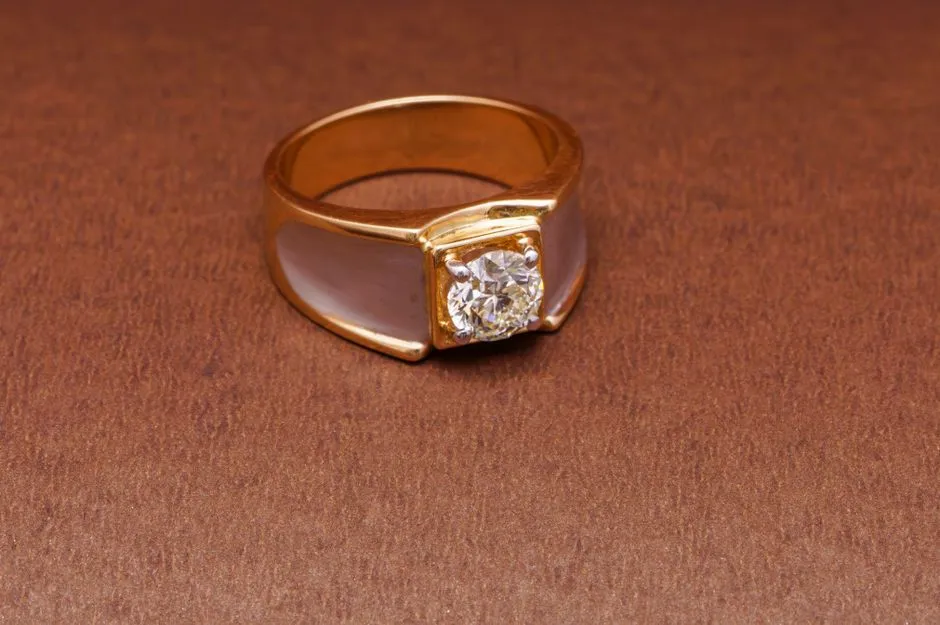
Brown diamonds, known for warm tones ranging from champagne and cognac to chocolate, have the same chemical composition and durability as colorless diamonds. They rank at a 10 on the Mohs hardness scale, making them naturally resistant to everyday wear. However, this hardness doesn't mean they are invincible. To preserve the light performance and earthy hues of your brown diamond jewelry, be mindful of your day-to-day handling despite their rugged nature.
A brown diamond's beauty comes from how it interacts with light, which reflects its deep, warm color. However, diamonds attract oils from your fingers. Combined with dust, lotions, and cooking residue, these oils form a dull film. This blocks light from entering the pavilion and bouncing back, robbing the diamond of its radiance and depth.
You also need to consider the vulnerabilities of the metal settings. While the diamond can withstand most environmental conditions, metals like 14-karat gold (Mohs 3) or platinum are softer and more susceptible to chemical degradation and scratching. Everyday activities can loosen prongs, weaken clasps, and mar the polished finish of the band. A proactive maintenance routine helps your brown diamond jewelry retain its structure and appeal.
Safe at-home cleaning methods for brilliance
At-Home Cleaning Routine
1. Prepare Solution
Mix warm water with mild, degreasing dish soap in a bowl. Always secure the sink drain first.
2. Soak
Submerge the jewelry for 20 to 30 minutes to loosen built-up oils, lotions, and grime.
3. Brush Gently
Scrub with a soft-bristled toothbrush, focusing on the underside and pavilion without stressing prongs.
4. Rinse & Dry
Rinse thoroughly with warm running water and pat dry with a clean, lint-free cloth.
Cleaning your brown diamond jewelry at home is a simple process when using the right tools. Begin with a small bowl of warm water and a few drops of mild, degreasing dish soap. According to experts, avoid abrasive cleaners, toothpastes, and chlorine-based products, as these chemicals can scratch or discolor gold or platinum settings. If you are cleaning near a sink, always plug the drain or use a strainer to prevent a piece from slipping away.
Submerge your brown diamond jewelry in the warm soapy solution and let it soak for twenty to thirty minutes to loosen oils, lotions, or grime. Then, gently scrub the piece with a soft-bristled toothbrush kept only for jewelry. Pay special attention to the underside or pavilion of the diamond, where sweat and skin oils accumulate. For hard-to-reach crevices, you can use wooden toothpicks or dental floss; just apply minimal pressure to avoid straining the prongs holding the gem.
Rinse the jewelry thoroughly under warm running water to remove any soap. Pat the piece dry with a clean paper towel or a soft, lint-free cloth, and let it air-dry completely before wearing or storing it. Cleaning weekly or monthly prevents residue buildup, allowing light to pass through the stone and show off its champagne or cognac hues. A final polish with a microfiber cloth can restore a mirror-like finish to the diamond and its mounting.
Daily habits and protective measures to prevent scratches
Common Daily Hazards to Watch For
- •Remove jewelry prior to workouts, gardening, swimming, or heavy cleaning.
- •Keep away from chlorine, bleach, and ammonia, which corrode gold and platinum mounting alloys.
- •Apply lotions, hairsprays, and perfumes before putting on rings and necklaces.
- •Handle pieces by the metal band rather than pressing directly onto the diamond table.
Although diamonds are the hardest natural substance on earth, they can still scratch other gemstones—and even other diamonds. As noted in a care guide, when two diamonds rub against each other, micro-abrasions can occur, dulling their surfaces over time. To prevent this, limit direct contact between pieces and try to handle jewelry by its metal band rather than pressing your fingers directly against the table of the brown diamond.
Some daily activities can risk damaging the diamond's setting and the precious metal. Remove your brown diamond rings, bracelets, and necklaces before workouts, gardening, swimming, or cleaning. Chlorine in pools can corrode alloys like copper, silver, and nickel found in 10-karat, 14-karat, and 18-karat gold settings, while bleach or ammonia in household cleaners can damage the metal finish and dull the stone. Care guidelines suggest that hairsprays, lotions, perfumes, and hand sanitizers also leave a film that dulls the luster and can loosen prongs over time.
Set up safe spots around your home, like a padded ring dish or lined jewelry tray, so your jewelry isn't tossed onto hard countertops where it could be damaged. If you can't remove your jewelry during chores, wearing protective gloves keeps out dirt, grit, and chemicals. These small habits drastically reduce the chance of accidental damage, lost stones, or premature wear.
Proper storage solutions to safeguard your collection
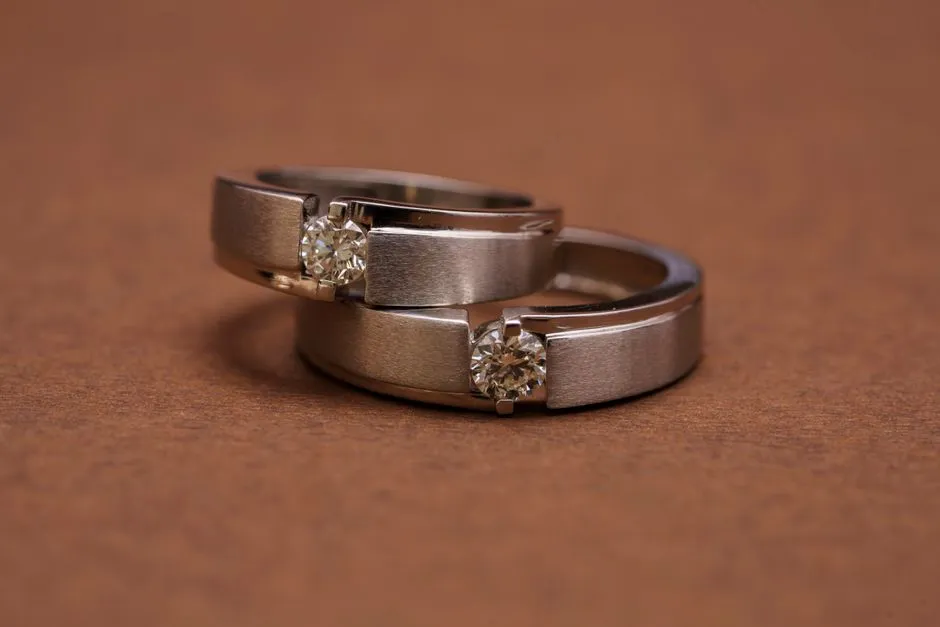
Storage is often overlooked until damage occurs. Tossing multiple pieces together in an open tray or crowded drawer causes friction, which scratches metal and abrades stones. To protect your brown diamond jewelry, store each piece in its own compartment to prevent them from rubbing together.
A quality jewelry box with a fabric-lined interior and padded sections is ideal for your collection. The lining cushions items against shock, keeps chains from tangling, and protects metals from moisture. When traveling, use a compact, padded travel case with zipped compartments to keep your brown diamond rings and earrings secure.
Avoid storing fine jewelry in plastic zip bags, which trap humidity and moisture that can degrade gold and other alloys. Also, keep your storage box away from humid areas or temperature fluctuations, like bathrooms or sunny windowsills. A clean, dry, and organized storage system protects the look and structure of your brown diamond jewelry for years to come.
Professional maintenance and insurance for long-term preservation
Home cleaning and careful handling help, but a professional jeweler is still necessary. Schedule a maintenance appointment for your brown diamond jewelry every six to twelve months. A professional can use an ultrasonic cleaner or steam equipment to remove deep-seated grime that home care misses, restoring the brilliance of your diamonds.
Professional visits should also include a structural inspection. A jeweler will examine the prongs under magnification for looseness, wear, or hairline fractures, tightening the mountings to keep your diamonds secure. Catching minor issues early prevents the loss of a stone and saves you from stressful emergency repairs. Many jewelers offer these inspections and cleanings for free.
Finally, a specialized insurance policy provides peace of mind. Since accidents happen—like a ring slipping down a drain or a clasp failing while traveling—insurance protects your jewelry against theft, loss, and accidental damage. Start by getting an up-to-date appraisal and keeping your diamond grading report. Have your collection reappraised every five years to account for market changes and ensure your coverage is still adequate.
References
- Caring for and Cleaning Your Jewelry : Keep Your Gold and Diamond Jewelry Sparkling Like New : Arden Jewelers
- The ultimate diamond care guide: how to protect, clean and preserve your jewelry forever
- What You Need To Know About Caring For Your Diamond Jewelry
- How to Keep Your Natural Diamond Jewelry Sparkling

Official price and specifications for the electric new Jaguar Type 01
How realistic are brown diamond engagement rings compared to lab-created alternatives?
Related Posts
 HOME
HOMEHow to organize indoor spaces to stay safe and dry during storms
Discover practical strategies for organizing and securing your indoor spaces to protect your home and family from rising floodwaters and severe storm winds.
 HOME
HOMEBest home appliances and tools to use during heavy rain emergencies
Discover the essential home appliances, safety tools, and preparedness gear needed to protect your household during heavy rain storms and flash floods.