Curating a personal library of campy B-movies and iconic genre landmarks
A guide to building and appreciating a personal collection of low-budget, campy B-movies and iconic cult genre films that offer unique entertainment value.
Understanding the appeal of low-budget and campy cinema
When exploring the world of motion pictures, discerning film fans often look past high-budget studio blockbusters to find different forms of cinematic expression. For every major release backed by substantial funding and massive marketing, numerous low-budget B-movies scratch and claw their way into existence without the luxury of polished scripts or adequate resources. Evaluating these pictures using the same critical framework applied to high-budget productions misses the point. Instead, viewers appreciate them for their unvarnished creativity, distinct charm, and the entertainment value born from financial limitations.
The definition of "best" shifts when discussing films famous for shoddy construction, bizarre premises, and technical quirks. Rather than pointing toward flawless execution, a great campy film is judged by how thoroughly it entertains the audience through its earnestness or unexpected absurdity. While some poorly made films can be painful to sit through without outside comedic commentary, the true gems provide an infectious form of fun. Building a personal library of these cinematic oddities allows fans to capture a type of joy that polished Hollywood productions rarely replicate.
Choosing titles for a personal library requires looking beyond the mainstream to unearth pictures that lean into drive-in culture, exploitation genres, and midnight movie traditions. From early zombie films featuring legendary actors to bizarre sci-fi romps driven by preposterous scripts, these films form a rich subculture. Embracing these movies means celebrating the ingenuity of filmmakers working with next to nothing, turning budgetary constraints into aesthetic choices that resonate with dedicated fans.
Sourcing classic monsters, mad scientists, and exploitation landmarks
Historical Sub-Genres and Signature Hallmarks of B-Movie Cinema
| Sub-Genre & Era | Core Style & Focus | Signature Camp Elements |
|---|---|---|
| 1930s Gothic Horror | Atmospheric mood and suspense crafted on minimal budgets | Dramatic close-ups, Bela Lugosi performances, split-screen effects, and intense stares |
| Mid-Century Sci-Fi & Drive-In | Eccentric scientific experiments, chaotic pacing, and visible craft limitations | Mutants controlled by experimental aftershave, solar-powered cyborgs, and Franken-taxidermy monsters |
| 1970s Exploitation | Gritty aesthetics, dramatic prison breaks, and underground cult sleaze | Early breakthrough roles for legendary actors bridging underground cinema to wider recognition |
A well-rounded personal library of genre landmarks requires looking into various historical sub-genres, from 1930s gothic horror to the wild exploitation cinema of the 1970s. Early horror vehicles often relied on atmospheric mood, dramatic close-ups, and iconic performances. For instance, classic black-and-white features starring screen legends like Bela Lugosi established foundational tropes of the horror genre while providing plenty of unintended camp value through split-screen effects, intense stares, and wild makeup. These pieces anchor a collection by showing how early filmmakers established suspense on minimal budgets.
As decades progressed, low-budget filmmaking expanded into eccentric territory, incorporating drive-in monsters and wild scientific experiments. Features from the mid-century onward introduced audiences to ridiculous antagonists, such as mutated creatures controlled by experimental aftershave or solar-powered cyborgs built with household items and painted props. The charm of these features lies in the visibility of their limitations—whether it is a monster resembling Franken-taxidermy or a narrative featuring chaotic pacing, government agents, and rival spies all colliding in a single runtime.
The exploitation and "women in prison" sub-genres of the 1970s further shaped cult cinema by delivering pure sleaze, dramatic prison breaks, and gritty aesthetics. These films often served as early launching pads for legendary actors who would later redefine other cinematic movements, bridging the gap between underground exploitation and broader cultural recognition. By collecting these titles, curators ensure their library reflects a broad spectrum of low-budget ingenuity, from gothic melodrama to absolute sci-fi chaos.
Organizing and enjoying your personal genre collection
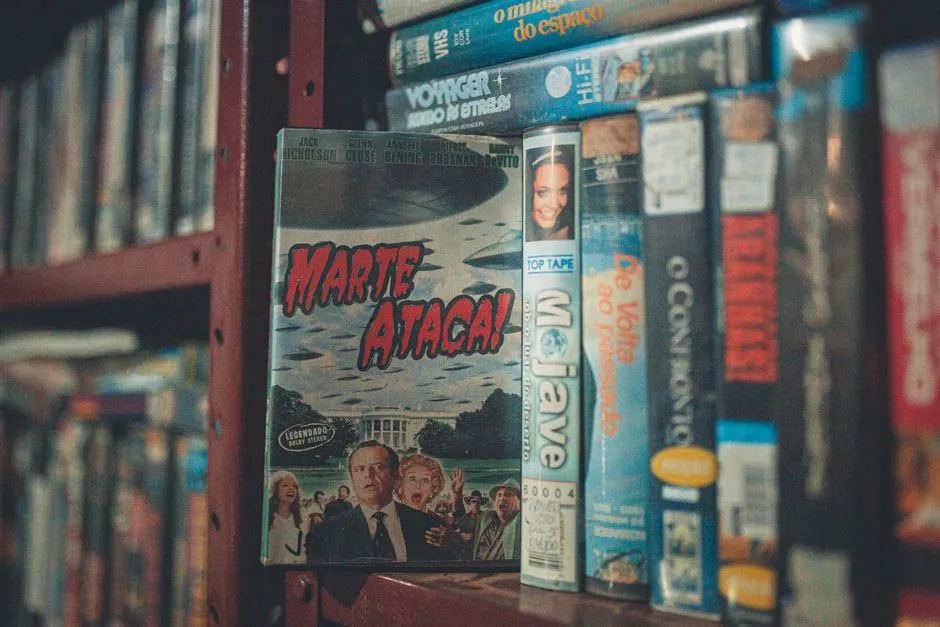
Curating a physical or digital library of campy B-movies is only half the journey; the reward comes from sharing these treasures and establishing a viewing routine centered around comfort and nostalgia. Unlike plot-heavy prestige dramas that demand intense intellectual investment, watching low-budget films relieves the viewer of high expectations. Knowing what to expect—whether it is stilted dialogue, transparent special effects, or a completely unhinged plot twist—allows audiences to unwind, turning movie night into an exercise in shared laughter and appreciation for cinematic history.
Maintaining such a collection also invites deeper engagement with film history, encouraging collectors to explore streaming platforms like Kanopy or specialized physical media releases that preserve forgotten titles. Curators can organize their libraries by sub-genre, director, or era, from 1950s drive-in cheese to bizarre British horror-comedies and international schlock. This approach transforms a random assortment of cheap movies into a curated archive that honors the hard work—however misguided—of filmmakers who brought these preposterous visions to the screen.
Ultimately, a library of iconic genre landmarks and campy classics shows the diverse ways cinema can connect with audiences. These films bridge the gap between high art and populist entertainment, proving that a massive budget is not a prerequisite for a memorable viewing experience. By keeping these eccentric titles alive through repeated viewings and creating a dedicated screen space at home, passionate fans ensure that the wild spirit of independent B-movie filmmaking continues to thrive in modern home viewing spaces.
References

How to prepare your home for a coastal flood advisory
How to create a dedicated screen space at home for watching horror classics
Related Posts
 LIFE
LIFEKeeping pets safe and stress-free during natural weather emergencies
A comprehensive guide on how to prepare emergency kits, establish evacuation plans, and minimize anxiety for pets during natural disasters.
LIFEEvaluating the best flood insurance policies for homeowners in flood zones
A comprehensive guide to evaluating and selecting the best flood insurance policies for homeowners in high-risk zones, comparing NFIP and private options.