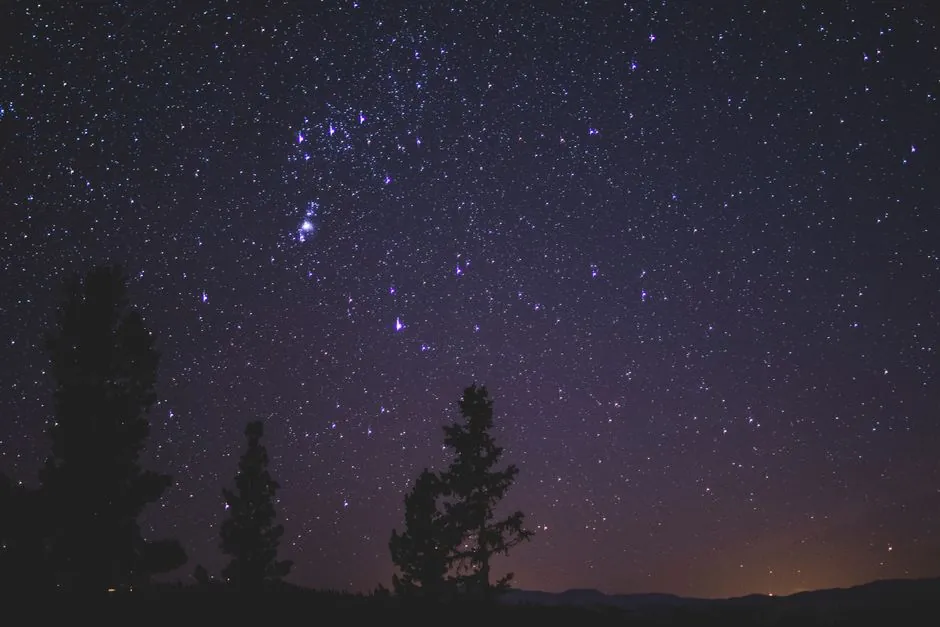
The term sounds like something from a movie, but a bomb cyclone is a real and powerful weather event. Here’s how to make sure your home is a safe haven when it hits.
The first time I saw the words "bomb cyclone" in a weather forecast, I honestly did a double-take. It sounds like pure hyperbole, designed to make you click on a news story. But after living through one, I can tell you the term, while dramatic, is frighteningly accurate. It’s not just a snowstorm; it’s a meteorological event defined by its shocking speed and intensity, a process scientists call “bombogenesis.” This is when a storm's central pressure plummets by at least 24 millibars in 24 hours, turning a regular low-pressure system into a monster of wind and precipitation.
These storms are becoming more common, and their impacts—hurricane-force winds, crippling snowfall, and widespread power outages—are serious business. Preparing for one isn't about panic; it's about respect for nature's power and taking practical steps to keep your home and family safe. I used to think having a few extra cans of soup and some blankets was enough. I was wrong. A real plan means thinking about your home as a fortress, a self-sufficient shelter that can withstand a few days of being cut off from the world.
Before the First Flake Falls: Fortifying Your Fortress
Long before the storm is a swirling red mass on the weather map, the most important work begins. This is the deep preparation that separates a calm, safe experience from a frantic, stressful one. It’s about giving your home a winter-proof shield, and it starts with the little things you probably walk past every day.
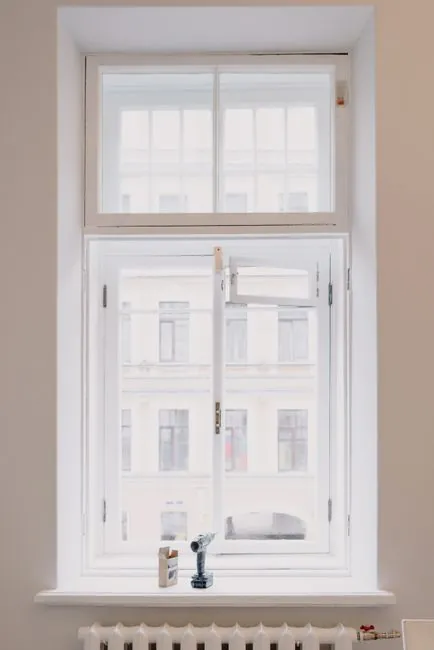
First, declare war on drafts. I spent a weekend with a caulk gun and weatherstripping, and the difference was astounding. Walk through your home and feel for cold air around window frames, door jambs, and any place where pipes or vents exit the house. Sealing these gaps is one of the cheapest, most effective ways to keep your precious heat from being stolen by the wind. While you're at it, check your insulation. Is your attic properly insulated? What about crawl spaces or the basement? Good insulation is like a warm winter coat for your house.
Next, think about your home's exterior vulnerabilities. Heavy snow and ice-laden winds are brutal on trees. Take a walk around your property and look for any dead branches or limbs hanging over your roof or near power lines. Having those professionally trimmed can prevent a catastrophic failure that could damage your home or knock out your power. Also, clean your gutters. If they’re clogged with leaves, melting snow and ice can back up and form destructive ice dams on your roof, leading to leaks. And please, don't forget to protect your pipes. Any exposed plumbing in unheated areas like a garage or shed should be insulated. It’s a simple step that can save you from the expensive, soul-crushing disaster of a burst pipe.
Your Lifeline: Assembling a Real Emergency Kit
This is where we move beyond the casual "I'm sure we have a flashlight somewhere" mentality. When you’re snowed in and the power is out, your emergency kit is your lifeline. FEMA and other agencies recommend having enough supplies to last at least 72 hours, but I aim for a week, just in case. This isn't just about survival; it's about maintaining a degree of comfort and normalcy in a stressful situation.
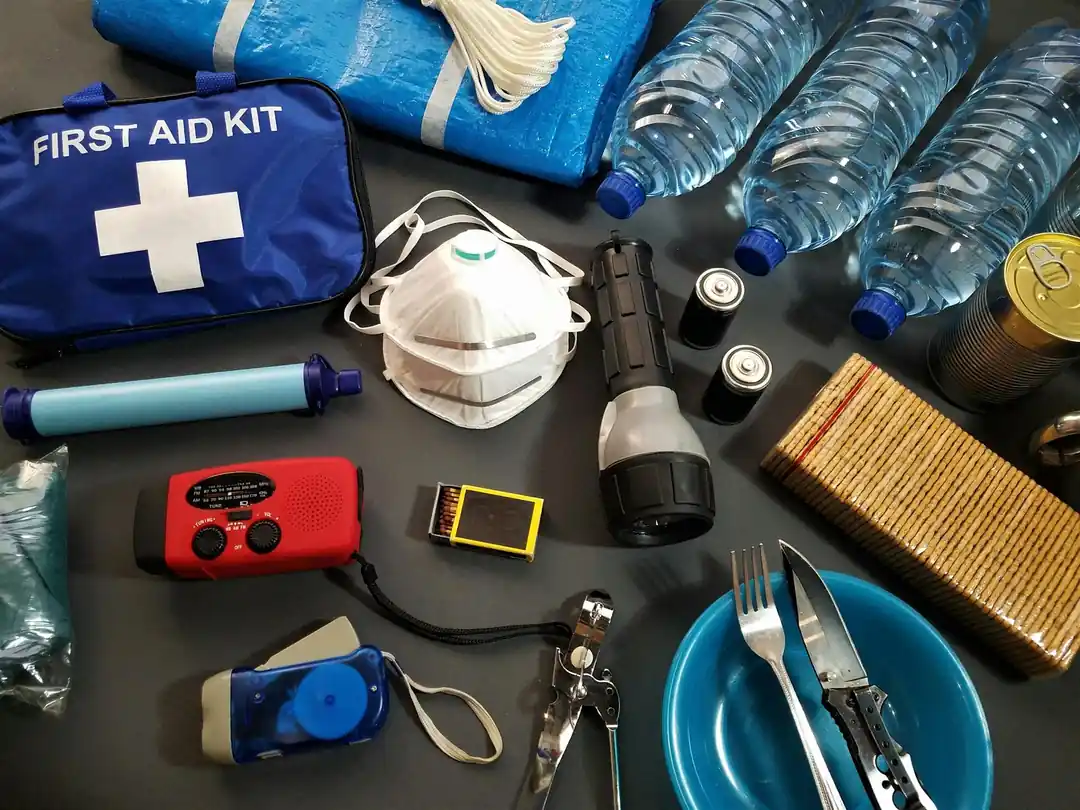
Start with the absolute essentials: food and water. You need one gallon of water per person, per day. For food, focus on non-perishables that don’t require cooking: canned meats and fish, protein bars, dried fruit, nuts, and peanut butter. And for the love of all that is holy, make sure you have a manual can opener. A little comfort food, like chocolate or cookies, can also be a huge morale booster, especially if you have kids.
Beyond sustenance, think about light and information. Get several bright LED flashlights and a stockpile of extra batteries. A hand-crank or battery-powered NOAA weather radio is non-negotiable for staying updated when the internet and cell service are down. Your first-aid kit should be fully stocked, and be sure to include a week's supply of any prescription medications, glasses, or contact lens solution. Finally, gather your warmth and comfort items: wool blankets, sleeping bags, and layers of warm clothing for everyone in the family, including pets.
Riding Out the Storm: How to Stay Safe and Sane
Once the storm arrives and you're hunkered down, the focus shifts from preparation to safety. The wind will howl, the snow will pile up, and your home will be your entire world. The number one rule is to stay inside and off the roads. But staying home comes with its own set of critical safety rules, especially during a power outage.
The most insidious threat is carbon monoxide (CO). It's a colorless, odorless gas that can be fatal. Never, ever use a gas stove or oven to heat your home. If you have a portable generator, it must be run outdoors, at least 20 feet away from any doors, windows, or vents. The same goes for charcoal grills or camp stoves. Your home should have working, battery-backed CO detectors and smoke alarms on every level. Test them before the storm hits.
Staying warm without power is a challenge. Close off unused rooms to consolidate heat in a smaller area. Layer your clothing and blankets, and huddle together as a family. It’s also a good idea to let your faucets drip slightly to keep water moving through the pipes, which helps prevent them from freezing. Try to limit opening doors to the outside. It’s tempting to check the snow depth, but every time you do, you let a blast of cold air in and precious heat out. This is a time for board games, reading by flashlight, and enjoying the rare, forced quiet of a world on pause. Look out for your neighbors with a phone call, and know that you’ve done everything you can to weather the storm safely.
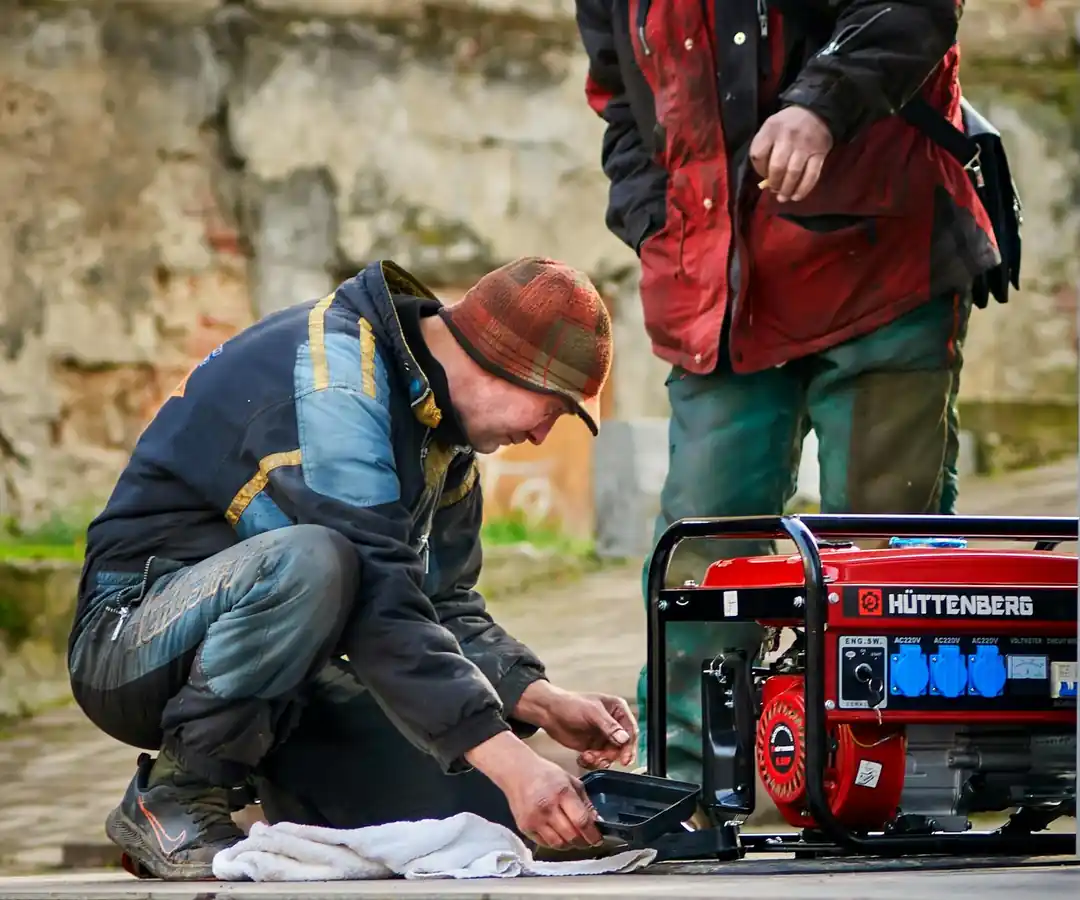
Never Go Dark: How to Choose the Right Size Backup Generator for Your Home
All-Weather vs. Winter Tires: What's the Real Difference for Safe Driving?
Related Posts
 INTERIOR IDEAS
Beyond Stark White: The Best Interior Paint Colors to Light Up Your New Space
Discover how moving away from flat white walls to soft pale blues, earthy sage greens, and cozy warm neutrals can naturally brighten your home.
 HOME IMPROVEMENT
The Honest Winter Energy Guide: How I Cut Heating Costs Without Freezing
Practical, research-backed ways to keep your home warm and your utility bills reasonable this winter, from simple DIY sealing to smart habits.

Popular Posts
Beyond Stark White: The Best Interior Paint Colors to Light Up Your New Space

How to Actually Master a New Language on Your Own (No Magic Gene Required)

The Simple Pre-Workout Fueling Strategy That Saved My Long Runs