Psychological strategies for staying motivated during long-term athletic rehab
Discover evidence-based psychological strategies to help athletes overcome the mental hurdles of long-term injury rehabilitation and return to play with confidence.
Rehabilitating an athletic injury is often viewed primarily through a physical lens, focusing on tissue healing, range of motion, and strength recovery. However, the mental and emotional toll of being sidelined can be just as demanding, especially for highly driven individuals who define themselves by their sport. Most athletes are eager to return to competition as soon as they are medically cleared, yet physical readiness does not automatically equate to mental readiness. When athletes lack the psychological preparation to return to play, they can experience decreased confidence, intense stress, and a fear of reinjury, all of which can lead to a decline in performance or even further injury.
Understanding the psychological toll of long-term injury
Key Psychological Challenges in Injury Recovery
- •Identity loss and isolation from team support networks
- •Frustration with non-linear recovery and setback plateaus
- •Fear of reinjury leading to movement hesitation and altered biomechanics
- •Unaddressed psychological strain escalating into depression or anxiety
When an athlete faces a long-term injury, the disruption extends beyond their training schedule. It affects their daily routine, their sense of control, and often their identity. For athletes who tie their self-worth to physical performance, time away from competition can create a sense of disconnection and identity loss. The question of "Who am I if I cannot perform?" becomes a heavy psychological burden. This loss of identity is often compounded by feelings of isolation, as injured athletes are removed from regular workouts, team environments, and the social support of their peers.
Frustration and impatience are nearly universal during the rehab journey. Recovery is rarely linear; it is marked by plateaus and small setbacks that can leave an athlete feeling stuck or discouraged. Even as the physical body begins to heal, the fear of reinjury can become a significant mental block. This fear can cause athletes to hesitate during movements, altering their biomechanics and ironically increasing the risk of another injury. This cycle of frustration and fear must be actively managed to prevent athletes from disengaging from their rehabilitation plan.
Ignoring these psychological challenges can have severe consequences. Unaddressed mental health struggles can trigger or unmask conditions such as depression, anxiety, or disordered eating. For example, Olympic track and field athlete Val Constien found herself in a destructive loop of physical setbacks and mental disruption after a severe foot injury. A lack of early psychological intervention led to isolation, seasonal depression, and eventually further physical injuries. Her experience shows that physical injuries and psychological struggles are intertwined, and acknowledging this interaction is the first step toward a successful recovery.
Cultivating psychological flexibility for better recovery
Core Psychological Flexibility Practices
- Acceptance — Make space for discomfort and reframe pain as a natural part of recovery rather than failure.
- Cognitive Defusion — Unhook from catastrophic thoughts by observing and reframing them as passing mental events.
- Present-Moment Awareness — Practice breath-focused mindfulness to remain grounded rather than catastrophizing the future.
- Self-as-Context — Separate core athletic identity from physical limitations, framing injury as a temporary experience.
One effective framework for managing the mental hurdles of rehabilitation is psychological flexibility (PF). Higher psychological flexibility is associated with lower pain interference, better adherence to rehabilitation programs, and improved readiness to return to sport. From a neurological perspective, PF helps emotional regulation by modulating activity in the prefrontal cortex and amygdala, which reduces fear responses. A core component of PF is acceptance—teaching athletes to make space for discomfort rather than resisting it. Clinicians often use the metaphor of quicksand to explain this: the more an athlete struggles against the reality of their pain, the deeper they sink. By letting go of that struggle and reframing pain as a natural part of recovery rather than a signal of failure, athletes can reduce avoidance behaviors and engage more fully with their rehab exercises.
Another strategy within psychological flexibility is cognitive defusion, which helps athletes unhook from destructive thoughts. It is common for injured athletes to experience catastrophic thinking, such as believing they will never fully recover. Cognitive defusion teaches them to separate their core self from these distressing thoughts. Instead of identifying with the statement "I’ll never recover," athletes are taught to reframe it as "I am having the thought that I’ll never recover." This slight linguistic shift, along with visualizing negative thoughts as passing clouds, reduces the emotional impact of the distress and breaks thought patterns that limit progress.
To complement cognitive defusion, present-moment awareness and the concept of "self-as-context" are vital for keeping athletes grounded. Mindfulness techniques, such as breath-focused exercises, help athletes stay engaged in their rehabilitation rather than ruminating on the past or catastrophizing the future. At the same time, self-as-context encourages athletes to view themselves beyond their current physical limitations. Rather than accepting the label of "injured athlete," they learn to acknowledge that the injury is an experience they are having in the present moment. By focusing their personal narrative on growth, learning, and values like perseverance, athletes can shift their perspective from loss to adaptation.
Practical mental training strategies for the rehab process
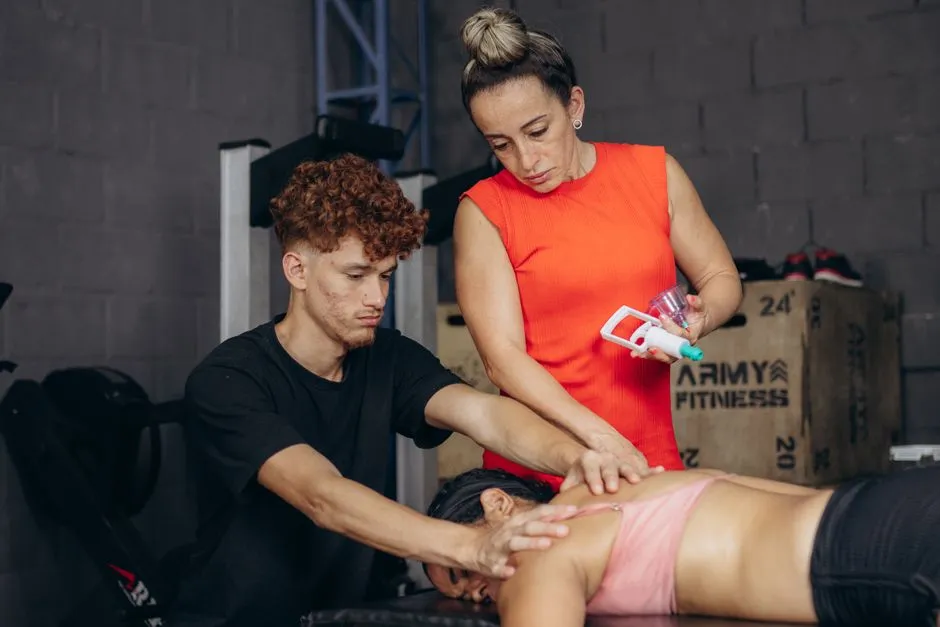
Mental training skills can be incorporated into a physical rehabilitation program to keep an athlete's mind sharp even when their body is compromised. One powerful tool is imagery, or visualization. Athletes can use downtime, such as when icing at the end of a session, to mentally rehearse sport-specific skills, plays, or strategies. For instance, a basketball player might use external imagery—visualizing themselves as if watching on television—executing a series of offensive plays or shooting free throws. This mental rehearsal activates similar neural pathways as physical practice, keeping the athlete "in the game" and maintaining confidence in their tactical abilities.
In addition to mental rehearsal, finding creative ways to keep the athlete physically engaged in sport-specific skills is important for motivation. Practitioners should modify skills so that the injured athlete can still participate safely. A player recovering from knee surgery might be immobilized, but they can still sit in a chair to practice ball-handling drills, passing, or modified shooting. When athletes can physically engage with the tools of their sport, it increases their interest in the rehabilitation process and helps bridge the gap between the clinic and the field.
Finally, structured goal setting is essential for maintaining momentum over months of recovery. Rehabilitation should be broken down into small, achievable weekly or daily goals. A goal provides a specific standard to achieve by a deadline, such as hitting a certain degree of joint extension by the end of the week. Keeping a journal or log to track these wins provides tangible evidence of progress. When athletes can clearly see their achievements, it boosts their confidence, reinforces the importance of consistency, and helps them maintain a forward-looking mindset when the overall recovery timeline feels overwhelming.
The role of emotional support and mind-body connection
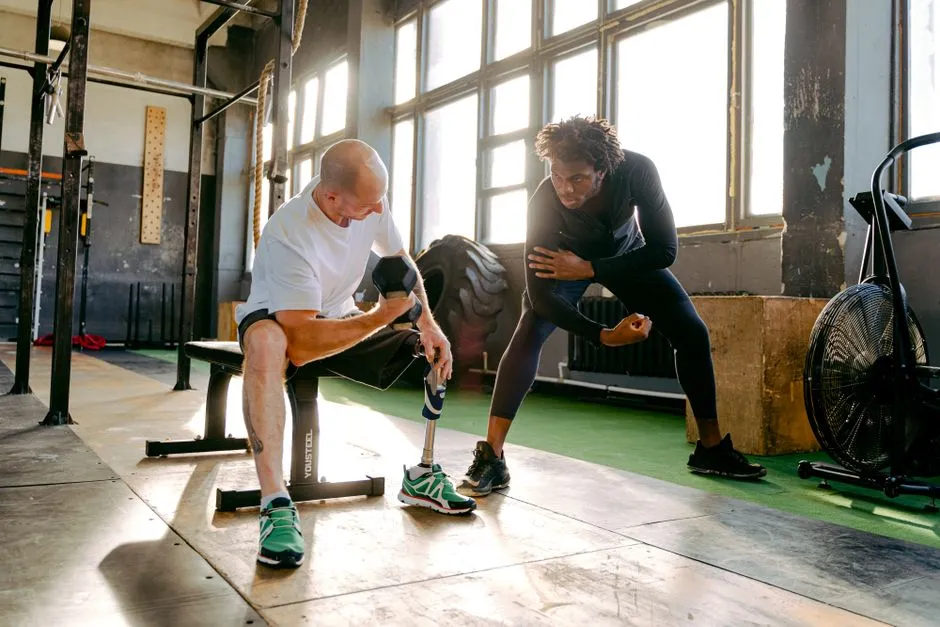
Navigating the rehabilitation process in isolation is difficult; emotional support is a cornerstone of recovery. An athlete's support network—including athletic trainers, physical therapists, coaches, teammates, and family—helps maintain motivation. Research has shown that when injured athletes receive proper emotional support, they experience fewer negative psychosocial reactions and report higher levels of sport-injury related growth. For example, a study assessing concussed collegiate football players found that those who felt supported were more likely to report future injury symptoms. This suggests that a supportive environment not only aids current recovery but also fosters long-term protective behaviors, including strategies to prevent common sports injuries, which is vital given that nearly half of all athletic injuries stem from overuse and a reluctance to report nagging pain.
Support systems also help athletes stay connected to their sport culture, mitigating the isolation that often accompanies injury. Even if an athlete cannot train, they can still attend practices, watch game film with teammates, or take on a supportive role from the sidelines. By surrounding themselves with people who understand their struggles and remind them of their strength, athletes can maintain their identity as a part of the team. Clinicians and coaches should integrate education and encouragement into daily interactions, helping athletes adjust their expectations when progress slows and celebrating the small milestones that keep them moving forward.
Ultimately, maximizing rehabilitation outcomes requires honoring the mind-body connection and understanding how exercise can serve as a sanctuary for the mind. The body cannot achieve peak performance or healing without the active assistance of the mind. Studies in muscular development have shown that a focused mind-muscle connection—bringing cognitive attention to a specific body part as it moves—can increase local muscle activity by up to 60 percent. While this research is often applied to training, the implications for rehabilitation are significant. When athletes intentionally direct their mental focus toward the specific muscles and joints they are rehabilitating, rather than passively going through the motions, they can enhance the efficacy of their physical therapy. This intentionality, combined with a robust support system, ensures that both the mind and body are working together toward a resilient recovery.
References
How to structure strength training splits for peak athletic performance
The best anti-inflammatory foods and diet plan for faster muscle recovery

Related Posts
 HEALTH
Thriving under pressure: pre-competition mindset strategies to manage anxiety
Explore evidence-based strategies for athletes to manage competitive anxiety, develop a clutch mindset, and thrive under pressure through cognitive, physiological, and training techniques.
 HEALTH
Macronutrient timing and meal planning for optimal workout recovery
Discover the science behind macronutrient timing, and learn how to strategically plan your meals for optimal workout recovery, muscle growth, and endurance.

Popular Posts
Thriving under pressure: pre-competition mindset strategies to manage anxiety
Macronutrient timing and meal planning for optimal workout recovery
How to structure strength training splits for peak athletic performance