Essential vitamins and supplements for immune support during seasonal changes
A research-grounded guide to the essential vitamins, minerals, and lifestyle practices that maintain immune resilience during seasonal transitions.
The impact of seasonal transitions on immune function
The shift from summer to cooler autumn and winter weather is a significant physiological transition. As days grow shorter and temperatures drop, biological changes occur, most notably disruptions to circadian rhythms. Less exposure to natural daylight interferes with sleep-wake cycles and alters hormone production. At the same time, diminishing sunlight reduces the body's natural synthesis of vitamin D, a nutrient that modulates both innate and adaptive immune responses. When these adjustments happen simultaneously, the body's natural defenses face higher demands according to a guide on boosting your immune system for changing seasons.
Reduced daylight, environmental confinement, and changing weather conditions force the immune system to work harder to maintain homeostasis. Seasonal shifts also introduce external stressors, such as back-to-school routines and end-of-year work obligations, which can impair physiological resilience. Understanding how these factors strain cellular defenses is important for implementing nutritional and supplemental interventions before illnesses take hold.
Reduced daylight, environmental confinement, and changing weather conditions force the immune system to work harder to maintain homeostasis. Seasonal shifts also introduce external stressors, such as back-to-school routines and end-of-year work obligations, which can impair physiological resilience. Understanding how these factors strain cellular defenses is important for implementing nutritional and supplemental interventions before illnesses take hold.
Key vitamins and minerals for seasonal immune defense

Vitamin D is one of the most studied nutrients for seasonal wellness, particularly because natural production declines sharply in autumn and winter. Unlike water-soluble vitamins, vitamin D functions hormonally, regulating immune responses and supporting protective immune cells. Because sunlight is limited during colder months, supplemental vitamin D is widely recommended to maintain adequate serum concentrations. However, because it is fat-soluble and can accumulate in tissues, excessive intake carries the risk of toxicity; dosages should follow established clinical recommendations.
Vitamin C is a water-soluble antioxidant that protects cellular structures from oxidative stress during immune challenges. When the body encounters pathogens, inflammatory processes generate free radicals that can damage healthy tissues; vitamin C works to neutralize these molecules. Beyond its antioxidant function, vitamin C has a biological synergy with iron. By enhancing dietary iron absorption, it supports the proliferation and mobilization of immune cells needed to confront infections. Rich dietary sources include citrus fruits, bell peppers, broccoli, and winter squash. In supplemental form, vitamin C can help shorten the duration of seasonal illnesses, though excessively high doses are not absorbed and can lead to gastrointestinal distress such as nausea and diarrhea.
Vitamin A helps maintain the barriers that protect the body. The skin and mucous membranes lining the respiratory tract depend on vitamin A to keep their structure and secretions functioning. Autumn produce, including pumpkins, sweet potatoes, winter squash, carrots, and dark leafy greens, provides carotenoids that the body converts to vitamin A. Sufficient intake of these nutrients strengthens these physical barriers, making it harder for airborne pathogens to penetrate mucosal tissues.
Targeted supplementation and gut health: Zinc and probiotics
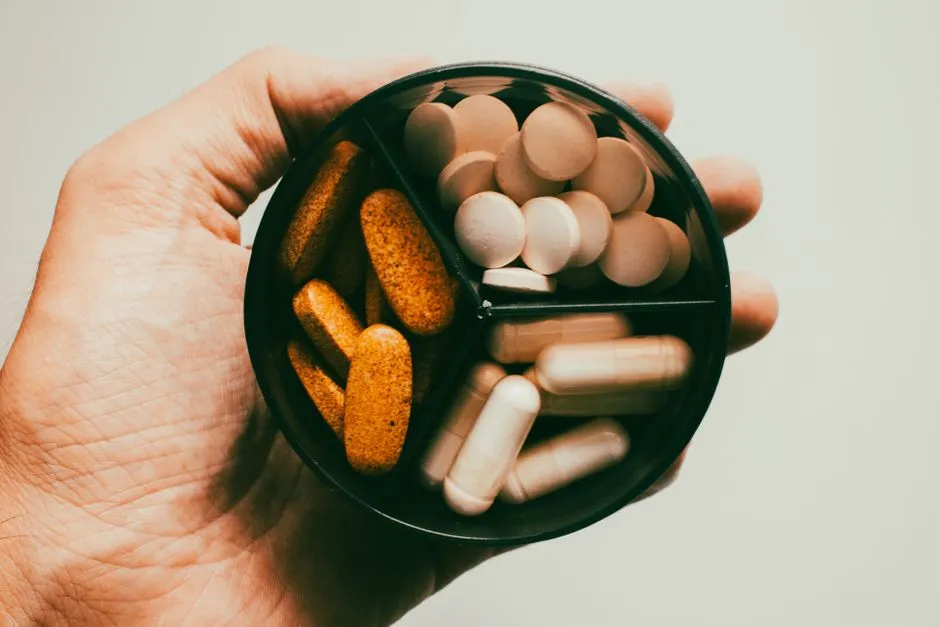
Zinc is a trace mineral required for cellular healing, enzymatic activity, and immune response. During seasonal transitions, maintaining zinc levels helps the body generate and activate white blood cells to combat viruses. Clinical research indicates that zinc supplementation, when used properly, can reduce the duration and severity of common seasonal illnesses. Whole-food sources of zinc include legumes, beans, nuts, and seeds.
Despite its benefits, zinc supplementation requires careful dosage because more is not always better. Prolonged or excessively high intake of supplemental zinc can actually suppress the immune system. Furthermore, excessive zinc interferes with the absorption of copper, which can lead to deficiencies that affect vascular and neurological health. Zinc supplements should be used cautiously, avoiding megadoses in favor of evidence-based amounts that support the immune system without disrupting mineral balance.
Probiotics are another part of seasonal immune support due to the link between gut health and systemic immunity. Much of the body's immune system is located along the gastrointestinal tract, where beneficial bacteria interact with immune tissues to coordinate responses and reduce chronic inflammation. Incorporating probiotic-rich fermented foods—such as yogurt, kefir, and fermented vegetables—helps cultivate a diverse gut microbiome. Supplementing with validated probiotic strains can offer additional defense by promoting gut barrier function and helping the body recover from seasonal respiratory infections.
Dietary synergies and the whole-food foundation
Dietary Synergies for Nutrient Absorption
- •Pair iron-rich foods (beans, spinach, lean meats) with vitamin C-rich produce (squash, cruciferous vegetables) to boost mineral absorption.
- •Prepare warming meals like slow-cooked stews, vegetable broths, and roasted vegetables to comfortably consume nutrient-dense produce.
- •Prioritize whole foods over isolated supplements to obtain the full spectrum of fibers, bioflavonoids, and cofactors.
While isolated vitamins and minerals are useful, a 'food first' approach is best for long-term immune health. Whole foods provide a mix of vitamins, minerals, fibers, and bioflavonoids that work together to help the body absorb nutrients. This complexity isn't fully replicated by supplements. Prioritizing whole foods ensures the body gets the necessary cofactors for processing nutrients, similar to how many find success moving beyond the pill bottle to fight illness from the kitchen.
Autumn and winter harvests provide staples that are naturally hardy and nutrient-dense. Root vegetables such as carrots, beets, garlic, and ginger contain anti-inflammatory compounds that support immune defense. Similarly, cruciferous vegetables like broccoli, cauliflower, and cabbage, along with winter gourds and leafy greens such as spinach and Swiss chard, are rich in antioxidants as highlighted in a look at winter nutrition and immunity. These vegetables help neutralize free radicals produced during stress, allowing immune cells to focus on fighting infections.
How you prepare your meals helps you get the most immune support from your food. Seasonal produce is great for warming dishes like slow-cooked stews, vegetable broths, and roasted vegetables. Pairing iron-rich foods like beans, spinach, and lean meats with vitamin C-rich squash and cruciferous vegetables in one meal helps the body absorb minerals. Eating balanced, home-cooked seasonal meals ensures a steady supply of nutrients to help the body defend against seasonal pathogens.
Foundational lifestyle habits that maximize supplement efficacy
Daily Habits to Support Immune Health
- Get 7 to 9 hours of quality sleep — Maintains cytokine production and regulates immune inflammation.
- Maintain regular hydration — Supports lymphatic circulation and keeps respiratory mucous membranes moist.
- Manage stress levels — Helps lower cortisol release through slow breathing, mindfulness, or outdoor time.
- Complete 150 minutes of weekly activity — Promotes immune cell circulation without depleting cellular energy.
Supplements and diet work best when paired with healthy habits, especially restorative sleep. During deep sleep, the immune system produces cytokines, proteins that coordinate immune cell communication and regulate inflammation. Adults should aim for seven to nine hours of quality sleep per night. Keeping a consistent schedule, cooling the bedroom, and reducing blue light before bed helps stabilize sleep cycles that are often disrupted by shorter autumn days.
Hydration is often neglected during colder months, as lower temperatures diminish the sensation of thirst. Despite a reduced drive to drink, fluid volume is essential for maintaining the lymphatic system, which circulates immune cells, white blood cells, and antibodies. Proper hydration also keeps mucous membranes moist, ensuring respiratory tissues can trap and expel foreign pathogens before they establish an infection. Drinking warm herbal teas, clear broths, and water throughout the day prevents cold-weather dehydration.
Managing stress and staying active are also key to seasonal immune health. Chronic stress causes the release of cortisol, a hormone that can suppress white blood cell activity and prolong inflammation. Activities like slow breathing, mindfulness, and spending time outdoors can reduce this effect. At the same time, moderate physical activity—at least 150 minutes per week, or about 30 minutes five days a week—helps immune cells circulate more effectively, helping the body detect pathogens without exhausting its energy.
References

Beginner virtual home workout routines for building daily consistency
How virtual companion therapy reduces social anxiety in adults

Related Posts
HEALTHBeginner virtual home workout routines for building daily consistency
Discover how to build a sustainable beginner virtual home workout routine to boost daily consistency, improve energy, and establish lasting fitness habits.
HEALTHHow virtual companion therapy reduces social anxiety in adults
Explore how virtual reality and artificial intelligence-based virtual companionship serve as innovative therapeutic tools to alleviate social anxiety disorder in adults.

Popular Posts

The rising cost of travel for competitive esports teams in VCT 2027

How to practice rank advancement strategies before joining a VCT 2027 scrim

VCT 2027 global tour schedule and roster guidelines for competitive Valorant