How to structure strength training splits for peak athletic performance
Discover how athletes use periodization and targeted workout splits to continuously build strength, prevent injuries, and achieve peak physical performance.
The foundation of athletic training: Understanding periodization

Achieving peak athletic performance requires more than just showing up to the gym and lifting heavy weights; it demands a strategic approach to training known as periodization. Periodization is the intentional organization of training programs and workout routines over time to prevent physical plateaus and drive continuous improvement. As sports medicine physician Dr. Michael Dakkak explains, periodization is much like gardening, where a plant needs a balanced cycle of sunlight, water, and rest to grow. Similarly, the human body requires planned periods of physical stress and recovery to adapt, grow stronger, and establish a higher baseline of fitness. This planning helps athletes hit specific short- and long-term goals and reduces the risk of overtraining and injury.
To implement periodization, training timelines are broken down into three cycles: macrocycles, mesocycles, and microcycles. The macrocycle is the big picture, often spanning several months or years, such as an Olympian's four-year preparation cycle leading up to the final competition. Within this are mesocycles—phases lasting a few weeks to a few months that target one specific athletic trait, such as hypertrophy, absolute strength, explosive power, or muscular endurance. Finally, the microcycle is the smallest unit, typically lasting about a week, detailing the daily workouts and exercise volume required to advance toward the mesocycle's goal. By stringing together focused microcycles, athletes can complete each mesocycle and achieve the long-term goals of their macrocycle.
A core concept within these nested cycles is the progression from broad, foundational work to narrow, sport-specific preparation, often called the base-to-peak model. During the base-building phase, athletes typically use higher volume training with lighter weights and a variety of exercises. This approach builds work capacity, muscle mass, and technical skill while preventing muscular imbalances. As a competition or athletic season approaches, training transitions into a peaking phase. During this time, overall volume drops to allow for recovery, and weight and intensity increase to condition the nervous system for maximal effort, ensuring the athlete is primed for their peak strength and power on contest day.
Exploring different types of periodization models
Comparison of Periodization Models
| Model | Progression Strategy | Key Benefit / Focus |
|---|---|---|
| Linear Periodization | Gradually increases intensity and weight over time while decreasing repetitions | Systematically builds an athlete toward peak performance |
| Reverse Periodization | Begins with high-intensity, heavy lifts at low volume, then decreases weight while increasing repetitions | Helps athletes reach peak performance more rapidly |
| Undulating Periodization | Frequently changes volume and intensity on a daily or weekly basis | Prevents staleness and develops strength and endurance concurrently |
| Block Periodization | Divides training into concentrated phases dedicated to a single focus area | Utilizes phase potentiation so each block enhances the next |
While the broader cycle structure remains consistent, the way variables like volume and intensity are manipulated varies based on the chosen periodization model. The most traditional approach is linear periodization, which involves gradually increasing workout intensity and weight over time while decreasing the number of repetitions performed. This approach systematically builds an athlete up to a peak level of performance. Conversely, reverse periodization flips this script. An athlete using the reverse method begins a training block with high-intensity, heavy lifts at a lower volume, then gradually decreases the weight while increasing repetitions. This approach can sometimes help athletes reach peak performance more rapidly depending on their physiological needs.
For athletes who need to juggle multiple physical qualities or who find linear progression too rigid, undulating periodization offers a dynamic alternative. This method involves frequently changing the volume and intensity of exercises, sometimes on a daily or weekly basis. For instance, a basketball player might focus on heavy strength training one day and shift to speed, agility, and lighter recovery work the next. By constantly varying the training stimulus, undulating periodization keeps the body challenged, prevents physical staleness, and allows athletes to develop both strength and endurance concurrently without overtaxing their central nervous system.
Another strategy, particularly for advanced competitors, is block periodization. Instead of attempting to improve multiple physical attributes simultaneously, block training divides the calendar into concentrated phases, each dedicated to a single focus area. An athlete might dedicate a three-week block to hypertrophy and building muscle, followed by a three-week block focused on explosive power, and conclude with a block for cardiovascular endurance. This approach utilizes phase potentiation, where the adaptations gained in one block enhance the training potential of the next—for example, using increased muscle mass from a hypertrophy block to move heavier weights during a strength block.
Selecting the best workout split for athletic demands
Overview of Athletic Workout Splits
| Split Type | Weekly Frequency | Best Suited For | Primary Focus & Structure |
|---|---|---|---|
| Full-Body Split | 3 days / week | Beginners, in-season athletes, or those with limited training time | Pairs major muscle groups for balanced conditioning and recovery |
| Upper / Lower Split | 4 days / week | Advancing athletes in their off-season | Divides upper and lower body to increase training volume and intensity |
| Push / Pull / Legs (PPL) | Up to 6 days / week | Advanced athletes in off-season or pre-season | Isolates pushing, pulling, and legs with high frequency for hypertrophy and strength |
| Sport-Specific Split | Custom schedule | Athletes with specific competitive demands (e.g., basketball, soccer) | Targets movement patterns, energy systems, and sport-specific drills |
Once a periodization model is established, athletes must determine their weekly workout split, which dictates how training sessions are divided by muscle groups or movement patterns throughout the microcycle. A full-body split, typically performed three days a week, is effective for beginners, athletes currently in-season, or those with limited training time. Because these sessions engage multiple major muscle groups simultaneously—pairing exercises like squats and bench presses—they promote balanced physical development and cardiovascular conditioning while leaving days for sport-specific practice and recovery. As athletes advance into their off-season, they often transition to an upper/lower split spread across four days. This division allows for increased training volume and intensity per muscle group, leading to greater strength and hypertrophy gains by providing each half of the body with recovery time before being targeted again.
For advanced athletes requiring intense off-season or pre-season conditioning, the Push/Pull/Legs (PPL) split is a popular choice. Usually spanning up to six days a week, this high-frequency split separates training into pushing movements (like chest and shoulders), pulling movements (like back and biceps), and dedicated leg exercises. Because it isolates specific mechanical actions, athletes can target individual muscle groups with high intensity and volume. Research supports that this frequency of targeted training is effective for maximizing muscle growth and raw strength, though it requires a meticulous approach to nutrition, sleep, and recovery due to the heavy workload.
Ultimately, the most effective workout split is often a sport-specific split tailored to the physiological demands of the athlete's event. A generic bodybuilding split designed for muscle mass will not adequately prepare a soccer player for 90 minutes of intermittent sprinting, nor will it give a swimmer the rotational power they need in the water. For example, a sport-specific split for a basketball player might dedicate Monday to upper body strength, Tuesday to lower body plyometrics, Wednesday to agility drills, and Friday to functional, full-body power movements like kettlebell swings. By addressing the specific movement patterns and energy systems used in their sport, athletes can maximize on-field performance and reduce their risk of injury.
Structuring the optimal four-day training split
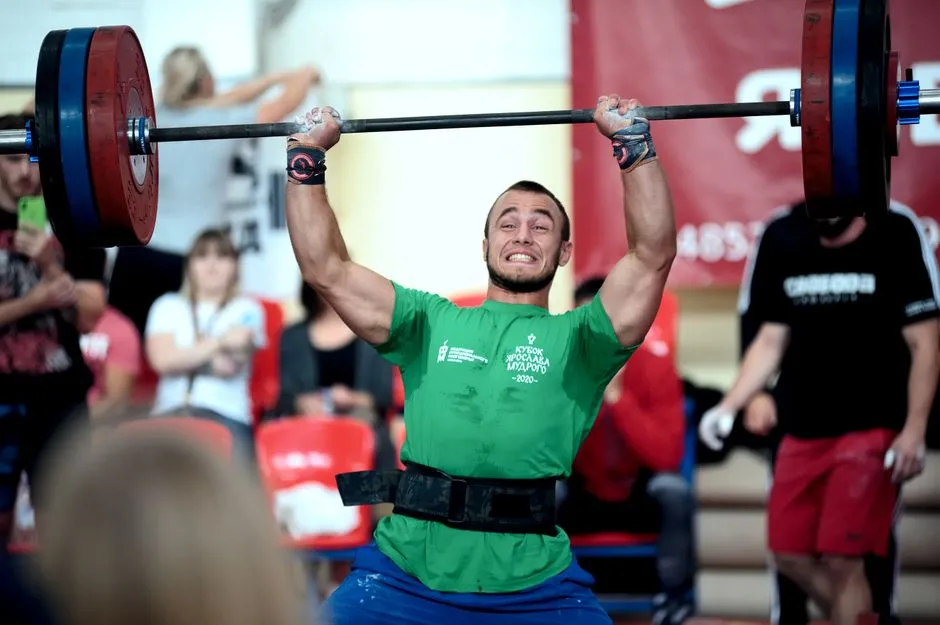
For many competitive athletes, tactical professionals, and coaches, a structured four-day workout split balances developing physical qualities with time for sport practice. Unlike hypertrophy routines designed solely to maximize muscle mass, an athlete's time in the weight room should supplement on-field performance, emphasizing impulse, mobility, and explosive power. A four-day split works well because it permits high-intensity sessions while providing enough rest to recover from heavy compound lifts. It is also customizable; during the off-season, it drives physical adaptation, and during the in-season, a lifting day can be swapped for speed, agility, or active recovery to accommodate practice schedules.
An effective athletic training session within this four-day split should consist of four main components: technical coordination, absolute strength, accessory exercises, and mobility. Workouts should begin with technical coordination, which involves dynamic movements like Olympic weightlifting variations (such as cleans or snatches) or loaded jumps to develop explosive power and prime the nervous system. This is followed by absolute strength work, consisting of heavy, compound exercises like squats or bench presses to develop maximal force production. Afterward, contrasting supersets of accessory exercises are used to address muscular imbalances, encourage targeted hypertrophy, and strengthen weak points. Finally, the session concludes with 10 to 15 minutes of mobility work, using dynamic and static stretches to start the recovery process.
Implementing these four components across a weekly schedule ensures comprehensive athletic development. Day one typically targets lower body strength and power, using movements like power cleans for technical coordination, back squats for absolute strength, and exercises like Nordic curls and core work for accessories. Day two shifts focus to the upper body, employing push presses to build explosive vertical power, heavy bench pressing for maximal strength, and targeted back and shoulder accessories for structural balance. The third and fourth days continue this alternating pattern, focusing on converting raw strength into explosive impulse and sport-specific stamina through varied plyometrics, dynamic effort lifts, and continued mobility work.
References

Macronutrient timing and meal planning for optimal workout recovery
Psychological strategies for staying motivated during long-term athletic rehab
Related Posts
 HEALTH
Thriving under pressure: pre-competition mindset strategies to manage anxiety
Explore evidence-based strategies for athletes to manage competitive anxiety, develop a clutch mindset, and thrive under pressure through cognitive, physiological, and training techniques.
HEALTHMacronutrient timing and meal planning for optimal workout recovery
Discover the science behind macronutrient timing, and learn how to strategically plan your meals for optimal workout recovery, muscle growth, and endurance.

Popular Posts
Thriving under pressure: pre-competition mindset strategies to manage anxiety
Macronutrient timing and meal planning for optimal workout recovery
Psychological strategies for staying motivated during long-term athletic rehab