Beginner virtual home workout routines for building daily consistency
Discover how to build a sustainable beginner virtual home workout routine to boost daily consistency, improve energy, and establish lasting fitness habits.
Understanding the challenges of starting a home fitness routine
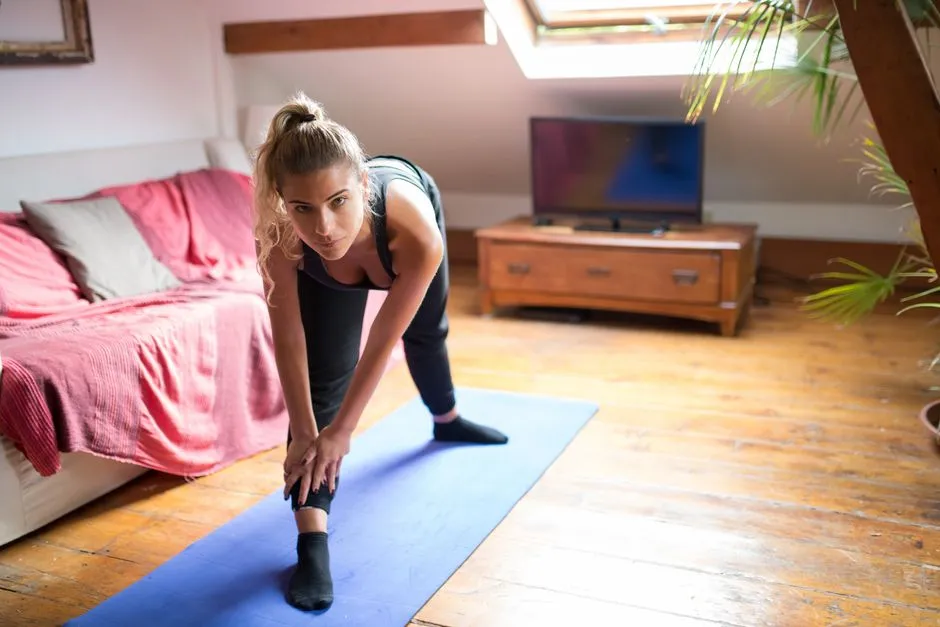
Starting a fitness journey from home is an empowering decision, but it often comes with psychological and practical hurdles. For those feeling lost, following a guide to starting a home fitness routine you'll actually stick with can provide the necessary structure. Many people experience a burst of motivation at the start, only to see their enthusiasm fade within a few weeks due to unrealistic expectations or a lack of structure. When people go too hard too fast—scheduling intense sessions without adequate recovery days—the result is frequently burnout, excessive muscle soreness, or injury. Alternatively, an all-or-nothing mindset can derail progress completely. The moment a busy work week, illness, or schedule change forces a missed workout, the temptation to abandon the routine entirely becomes overwhelming. Recognizing these common pitfalls is the first step toward creating a sustainable framework that withstands the unpredictable nature of daily life.
Building true consistency requires shifting the definition of a successful fitness routine. Rather than striving for perfection or viewing consistency as an unbroken streak of grueling workouts, a lasting routine must be flexible and realistic. It should accommodate family obligations, work demands, and unexpected scheduling conflicts without adding extra stress. This flexible mindset allows you to adapt instead of quitting when life gets complicated. By letting go of rigid standards, you create a foundation where physical activity becomes a natural part of your day rather than a burdensome chore.
Leveraging workout snacks and micro-sessions for engagement
Keys to Effective Workout Snacks
- •Target short 10-to-15-minute sessions in the morning, during lunch breaks, or in the afternoon.
- •Use work-to-rest intervals, such as 40 seconds of movement followed by 20 seconds of rest.
- •Set calendar reminders or phone alarms to prompt activity and reduce decision fatigue.
For beginners or those with demanding schedules, committing to long, uninterrupted blocks of time can feel unrealistic. This is where movement snacks and micro-workouts change the approach to daily consistency. Short, 10-to-15-minute sessions throughout the day as recommended for moving daily provide an immediate energy boost while building cardiovascular endurance and muscular strength. These routines can be placed first thing in the morning to wake up the body, during a lunch break to combat stiffness, or in the afternoon when energy levels dip. Breaking physical activity into manageable segments lowers the barrier to entry, making it easier to show up for yourself every day.
These micro-sessions require very little equipment and can be tailored to whatever you have in your living space. If you have a few minutes between tasks, a full-body bodyweight home workout consisting of jumping jacks, squats, and walking lunges—as seen in top no-equipment workouts—alternating 40 seconds of work with 20 seconds of rest—works several major muscle groups. For those with adjustable dumbbells or resistance bands, a short circuit of deadlifts, overhead presses, reverse lunges, and bent-over rows provides effective strength training. Setting calendar reminders or phone alarms for these breaks helps build the habit, ensuring you stay active no matter how busy your schedule gets.
Mastering foundational bodyweight and strength movements at home
Essential Foundational Movements to Master
- Assisted bodyweight squats — Builds lower-body strength and joint stability
- Elevated or knee push-ups — Develops pressing power while protecting joints
- Dumbbell or household item rows — Engages the back and improves posture
- Controlled lunges — Improves single-leg coordination, balance, and core control
When designing a beginner virtual home workout routine, keeping exercises simple yet effective is the best way to ensure long-term success. This is often the core philosophy of an ultimate guide to bodyweight fitness at home, where the focus is on building strength using your own body. The best foundational movements target multiple muscle groups simultaneously, supporting functional fitness that translates into everyday life. Movements such as assisted bodyweight squats, elevated or knee push-ups, dumbbell rows using household items, and controlled lunges form the basis of a structured beginner workout plan. These compound movements burn calories and build lean muscle while improving coordination, balance, and core stability.
Establishing proper form during these first few weeks protects the joints and prepares you for heavier weights later on. Beginners should focus on mastering their own body weight before adding dumbbells or kettlebells. Once you have the basic movements down, gradually increasing the weight or resistance every few weeks will lead to strength gains. This sense of accomplishment—whether it's completing an extra rep, squatting deeper, or feeling stronger while carrying groceries—helps you stay motivated.
Integrating structured warm-ups and cooldowns for injury prevention
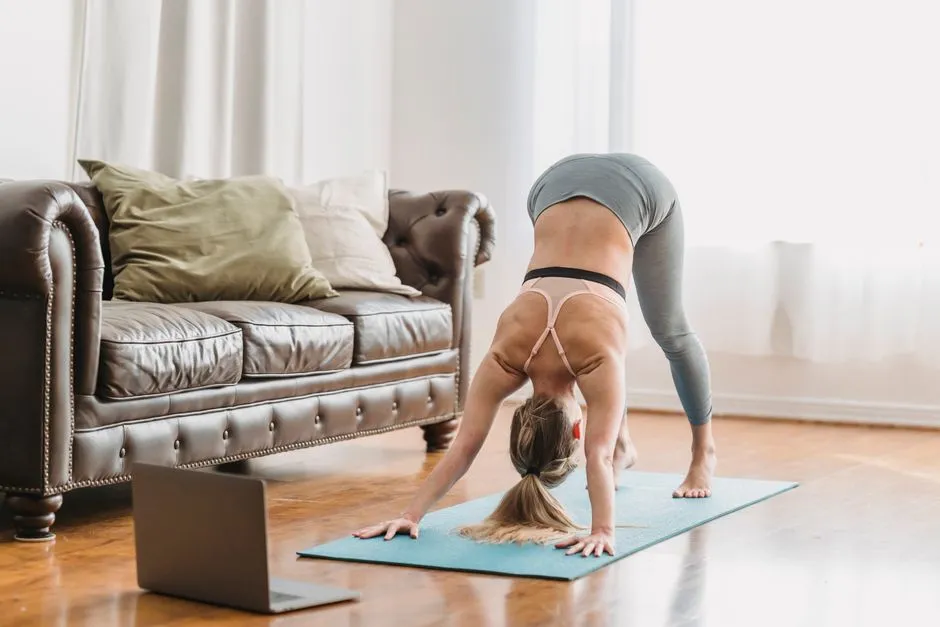
A successful home workout routine needs to begin with a warm-up and conclude with a cooldown to protect the body and support recovery. Jumping straight into exercise without preparing the nervous system and connective tissues can lead to poor form, discomfort, and unnecessary strain. A 5-minute warm-up gets the blood pumping, elevates the heart rate, and introduces easier variations of the movements in the main workout. Dynamic stretches, light cardio like marching in place, or foam rolling help reduce stiffness and prime the joints, fostering greater physical resilience over time.
Transitioning back to a resting state is equally important. Skipping the cooldown can leave heart rates elevated, whereas spending a few minutes on recovery helps balance physiological metrics. Static stretching takes advantage of warm muscles to improve flexibility and range of motion. Additionally, controlled breathing techniques, such as box breathing, help calm the nervous system and restore the diaphragm after high-intensity sessions. Prioritizing these bookends ensures that your fitness practice remains safe and sustainable.
References

VCT 2027 global tour schedule and roster guidelines for competitive Valorant
Essential vitamins and supplements for immune support during seasonal changes

Related Posts
HEALTHEssential vitamins and supplements for immune support during seasonal changes
A research-grounded guide to the essential vitamins, minerals, and lifestyle practices that maintain immune resilience during seasonal transitions.
 HEALTH
How virtual companion therapy reduces social anxiety in adults
Explore how virtual reality and artificial intelligence-based virtual companionship serve as innovative therapeutic tools to alleviate social anxiety disorder in adults.