Tired of being sidelined by sprains and strains? Let's dive into the real-world strategies that keep you active, healthy, and doing the sports you love, injury-free.
There’s a unique kind of magic in pushing your body—the burn in your lungs during the last mile, the satisfying ache of muscles well-worked, the sheer joy of being in motion. Whether you're a weekend warrior hitting the basketball court, a dedicated marathoner, or someone who just loves a long hike, that feeling is universal. But so is the crushing frustration of an injury that puts you on the sidelines. I’ve been there, impatiently nursing a sprained ankle, wondering how I could have avoided it.
Honestly, it felt like a rite of passage for a while. You play sports, you get hurt. But the more I looked into it, the more I realized that so many of these common injuries aren't just bad luck. They're often the result of overlooking small, crucial details in our preparation and recovery. According to the CDC, millions of sports and recreation-related injuries happen every year in the US. That's a staggering number of people forced to take a step back from activities they love.
The good news? We have more control than we think. Preventing injuries isn't about being timid or holding back; it's about being smart. It’s about building a body that’s not just strong, but resilient. It’s about creating habits that protect you, so you can keep enjoying that magic of movement for years to come.
The Art of the Warm-Up: More Than Just a Light Jog
I’ll be the first to admit, I used to be terrible at warming up. A few half-hearted leg swings and a quick jog felt like enough. But a proper warm-up is one of the most powerful tools in your injury-prevention arsenal. Think of your muscles like a rubber band. If you try to stretch a cold, stiff rubber band, it’s much more likely to snap. But if you warm it up, it becomes pliable and resilient. The same goes for your muscle fibers.
A good warm-up does more than just "loosen you up." It gradually increases your heart rate and circulation, which delivers more oxygen-rich blood to your muscles. This prepares them for more intense activity and makes them less susceptible to rips and tears. The key is to move from general, low-intensity movements to more sport-specific ones.
Forget those old-school static stretches where you hold a position for 30 seconds. Before a workout, the focus should be on dynamic stretching—active movements that take your body through a full range of motion. Think leg swings, arm circles, torso twists, and walking lunges. These movements activate the specific muscles and patterns you're about to use, improving performance and drastically reducing the risk of strains. Save the long, static holds for your cool-down, when your muscles are warm and ready to be lengthened.

Strength & Conditioning: Your Body's Armor
Cardio is great, but if it's the only thing you're doing, you're leaving yourself vulnerable. Strength training is the unsung hero of injury prevention. It’s not about getting bulky (unless you want to); it’s about building a strong, stable foundation that can handle the stress of your chosen sport. Strong muscles act as armor for your joints and connective tissues.
Think about common injuries. Runner's knee is often linked to weak hips and glutes. Ankle sprains can be more frequent in those with weak stabilizing muscles in their lower legs. By targeting these supporting muscle groups, you create a system that absorbs impact more effectively and maintains proper alignment, taking the strain off of more vulnerable areas like ligaments and tendons.
You don't need to become a powerlifter. Incorporating just two or three sessions of resistance training a week can make a massive difference. Focus on compound movements that work multiple muscle groups at once—squats, deadlifts, lunges, and rows are fantastic. And please, don't skip the core work. A strong core is the epicenter of your body's stability, protecting your spine and improving your balance in almost every activity.
Listen to Your Body: The Fine Line Between Pushing and Punishing
In our go-go-go culture, "rest day" can feel like a dirty word. We're taught to push through the pain and that more is always better. But this is, without a doubt, one of the fastest routes to injury. Your body gets stronger during periods of rest, not during the workout itself. Exercise creates microscopic tears in your muscles; it's the recovery process that repairs them, making them stronger than before. If you deny your body that time, you're just breaking it down.
Learning to differentiate between the discomfort of a tough workout and the sharp, specific signal of pain is a skill every active person needs to cultivate. Muscle soreness is normal; a sharp, stabbing, or radiating pain is not. That's your body's emergency brake, and you need to heed the warning. Pushing through that kind of pain can turn a minor strain into a chronic problem.
Embrace rest days. They aren't a sign of weakness; they're a critical part of a smart training plan. Also, consider cross-training. If you're a runner, try swimming or cycling one day a week. This allows you to maintain your cardiovascular fitness while giving your primary running muscles and joints a much-needed break from the repetitive impact. It’s a win-win that keeps things fresh and your body healthy.
There's a profound sense of freedom that comes with being active and healthy. It’s a gift. By weaving these simple, effective strategies into your routine—warming up with intention, building functional strength, and learning to truly listen to your body—you're not just avoiding injury. You're investing in a lifetime of movement, ensuring you can stay in the game and enjoy every step, swing, and stride along the way.

The Backyard Bounce: Fun & Simple Dribbling Drills for Young Hoopsters
From Wobble to Glide: Your First Steps to Mastering the Ice

Related Posts
 NUTRITION
The Simple Pre-Workout Fueling Strategy That Saved My Long Runs
Discover how timing your carbohydrates and embracing simple foods can eliminate mid-workout fatigue and unlock your true endurance potential.
 FITNESS
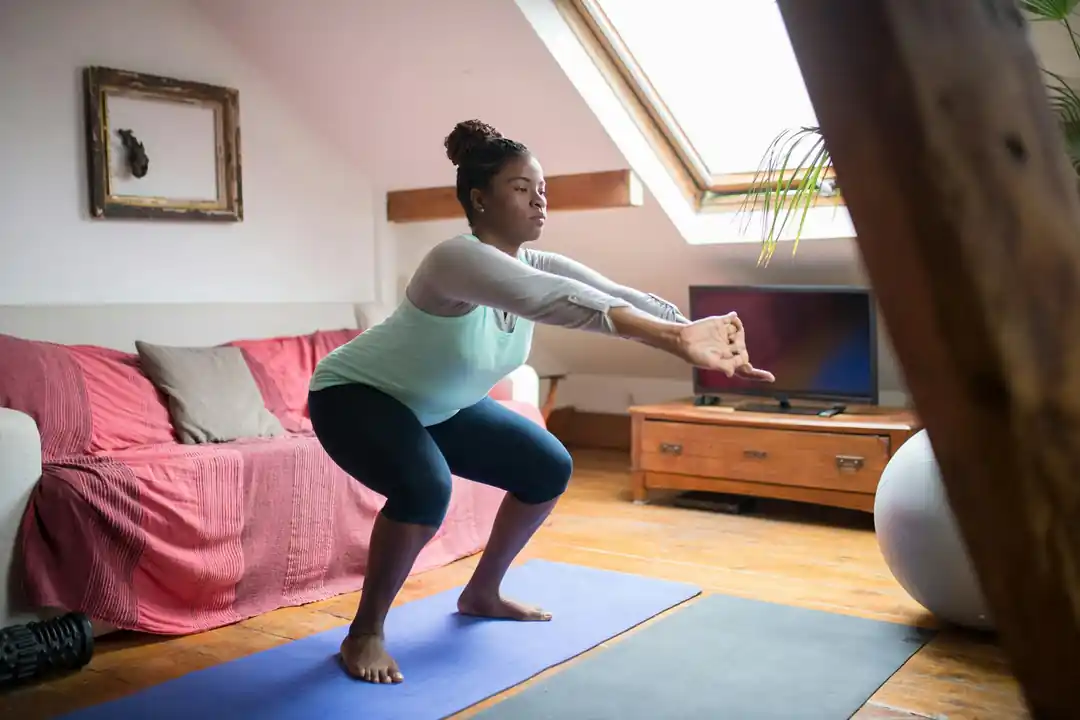
No Gym, No Problem: The Ultimate Guide to Bodyweight Fitness at Home
Forget expensive memberships. Discover how to build serious strength and transform your body using the most powerful tool you already own: yourself.

Popular Posts

Rethinking Non-Profit Promotion: Creative Strategies That Actually Drive Event Impact

Beyond Stark White: The Best Interior Paint Colors to Light Up Your New Space

How to Actually Master a New Language on Your Own (No Magic Gene Required)