The Unseen Opponent: How to Stay Mentally Positive While Recovering From a Sports Injury
Getting sidelined by an injury is tough, but the mental battle is often the real challenge. Here’s how to navigate the emotional rollercoaster and come back stronger.
There’s a particular kind of silence that follows a sports injury. It’s the sudden quiet after the roar of the crowd, the abrupt end to the rhythmic pounding of your feet on the pavement, the stillness that replaces the familiar motion of your body. One moment, you're in the zone, a well-oiled machine doing what you love. The next, you're on the sideline, grappling with a reality that feels both foreign and profoundly unfair. The physical pain is one thing, but it's the mental and emotional whiplash that often leaves the deepest mark.
Honestly, I used to believe that being tough meant ignoring the psychological fallout of an injury. Just focus on the physical therapy, push through the pain, and get back out there, right? But I’ve learned—both from watching friends go through it and from my own minor setbacks—that this approach is a fast track to burnout and re-injury. The mental game of recovery is not just a part of the process; in many ways, it is the process. Acknowledging the emotional toll isn't a sign of weakness; it's the first, most crucial step toward a truly resilient comeback.
Acknowledge the Grief (Yes, It's Grief)
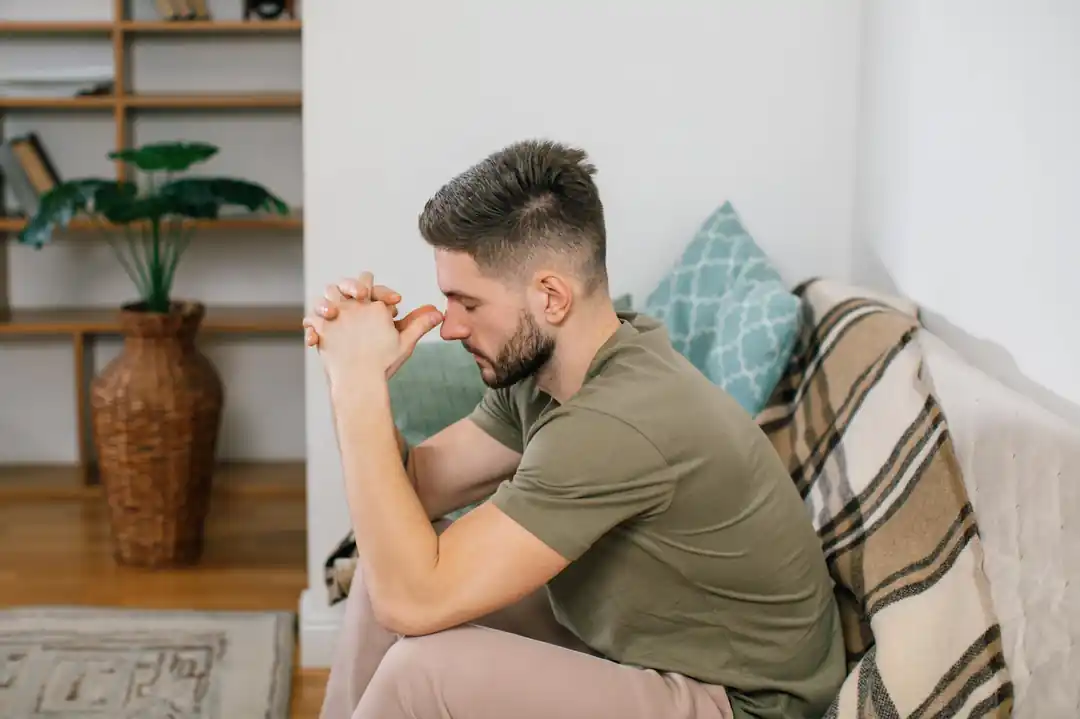
Let's call the emotional response to injury what it is: a form of grief. You're mourning the loss of your ability, your routine, and a significant piece of your identity. It's completely normal to feel a volatile mix of anger, frustration, sadness, and even denial. As research from sports psychologists points out, many athletes move through stages similar to the classic stages of grief. You might deny the severity of the injury, feel angry at the unfairness of it all, or find yourself in a low-grade state of depression as you watch your season unfold from the bench.
Trying to bottle up these feelings is counterproductive. Give yourself permission to be upset. Talk about it with someone you trust—a coach, a friend, a family member. Voicing your frustration can strip it of its power. I read a piece recently that emphasized that athletes who acknowledge their emotional response early on are often better equipped to handle the long road of rehabilitation. It’s about creating space for the negative feelings so they can move through you, rather than getting stuck and festering into something more debilitating.
This isn't about wallowing; it's about processing. Your feelings are a valid response to a traumatic event. The sooner you accept that it's okay to not be okay, the sooner you can start building a new, temporary reality for yourself—one that is centered on healing and patience, rather than frustration and loss.
Shift Your Focus: From "Can't" to "Can"
Once you've given yourself space to process the initial shock, the next critical step is to pivot your mindset. It's incredibly easy to get caught in a loop of everything you can't do. You can't practice, you can't compete, you can't be with your team in the same way. This focus on limitations is a breeding ground for negativity. The challenge is to consciously shift your focus to what you can do.
This is where you get to be creative and redefine what "training" looks like for a while. Maybe you can't run, but can you master the upper body workouts you used to skip? Perhaps you can't play, but can you become a student of your sport, analyzing game film with your coach to sharpen your tactical mind? I spoke with a physical therapist who said her most successful patients are the ones who "attack their rehab with the same intensity they bring to their sport."
Make your physical therapy your new sport. Set goals for it. Celebrate the small wins—a few more degrees of motion, a little less pain, a new exercise unlocked. This not only aids your physical recovery but also restores the sense of agency and purpose that the injury took from you. You are still an athlete; your event has just changed for the time being.
Stay Connected to Your World
One of the most painful aspects of being an injured athlete is the feeling of isolation. Your team is your tribe, and being separated from them can feel like being cast out. The inside jokes, the shared struggle of practice, the locker-room camaraderie—you're suddenly on the outside looking in. This is why it is absolutely vital to fight the urge to withdraw and instead find ways to stay connected.
Show up to practices, even if you're just on the sideline doing your PT exercises. Be the most vocal supporter on the bench during games. Offer to help the coaches break down film or set up drills. Your teammates and coaches will appreciate your presence, and more importantly, you'll still feel like part of the team. This sense of belonging is a powerful antidote to the depression and loneliness that can derail a recovery.
Furthermore, use this time to mentor younger players. You have a unique perspective from the sideline. You can see the game in a way active players can't. Sharing your insights not only helps the team but also reinforces your own knowledge and value. It transforms your role from "injured player" to "player-coach," keeping your identity and purpose intact.
Visualize Your Comeback
The mind is a powerful tool, and visualization is one of the most effective, science-backed techniques you can use during recovery. While your body is healing, you can—and should—continue to train your brain. Numerous studies on injured athletes have shown that those who engage in regular mental imagery have a more confident and successful return to their sport.
Take 10-15 minutes each day to close your eyes and vividly imagine yourself performing. Don't just see it; feel it. Feel the ball in your hands, the ground under your feet, the perfect execution of a complex move. Imagine your body being strong, healthy, and free of pain. This practice keeps the neural pathways for those skills sharp and helps to systematically desensitize the fear of re-injury that so many athletes face.
When you constantly see yourself succeeding in your mind's eye, you are building a blueprint for your future success. You are reminding your nervous system what it feels like to be at your best. When the time comes to step back on the field or court, it will feel less like a daunting first step and more like a familiar return home.
The road back from an injury is long and rarely linear. There will be good days and bad days, moments of hope and moments of despair. But by arming yourself with the right mental strategies, you can navigate the emotional terrain with grace and strength. This journey is more than just healing a part of your body; it's an opportunity to build a more resilient, more appreciative, and mentally tougher version of yourself. Embrace the challenge, and know that the strength you forge in this quiet, difficult time will be your greatest asset when you finally return to the game you love.

Can Mindfulness and Meditation Help Manage Injury Pain? A Deeper Look
The Unsung Hero of Healing: Are You Eating Enough Protein to Repair Your Injury?

Related Posts
 NUTRITION
The Simple Pre-Workout Fueling Strategy That Saved My Long Runs
Discover how timing your carbohydrates and embracing simple foods can eliminate mid-workout fatigue and unlock your true endurance potential.
 FITNESS
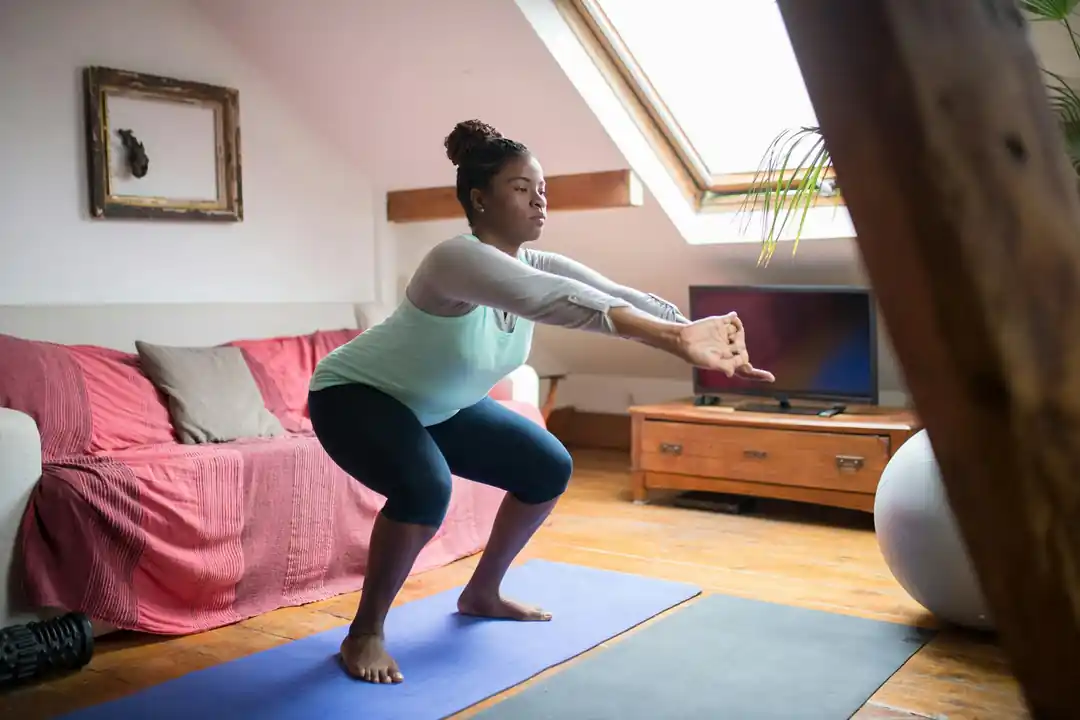
No Gym, No Problem: The Ultimate Guide to Bodyweight Fitness at Home
Forget expensive memberships. Discover how to build serious strength and transform your body using the most powerful tool you already own: yourself.

Popular Posts

Rethinking Non-Profit Promotion: Creative Strategies That Actually Drive Event Impact

Beyond Stark White: The Best Interior Paint Colors to Light Up Your New Space

How to Actually Master a New Language on Your Own (No Magic Gene Required)