Don't Get Left in the Dark: Your Ultimate Guide to Home Power Backup
Power outages are more than just an inconvenience; they're a modern reality. From silent batteries to powerful generators, let's explore the best ways to keep your home powered up when the grid goes down.
There’s a unique kind of silence that falls when the power goes out. One moment, the house is humming with the familiar sounds of life—the refrigerator, the TV, the low buzz of a laptop—and the next, it’s all gone. It’s a feeling I think we’ve all become a little too familiar with. That sudden plunge into darkness and quiet always seems to happen at the worst possible time, doesn't it? Whether it's a summer storm or a winter freeze, our aging power grid in the US seems to be taking more and more unscheduled breaks.
I used to be in the "I'll just light some candles" camp. But after one particularly long outage where I lost a fridge full of groceries and couldn't even charge my phone to check on family, I realized that being prepared is about more than just convenience. It’s about safety, security, and maintaining a sense of normalcy. The world of home power backup has evolved so much beyond just those loud, gas-guzzling generators of the past. Today, we have options that are quiet, clean, and incredibly smart.
Deciding on the right solution can feel a bit daunting, though. You're making a significant investment in your home's resilience. Do you need to power the entire house, or just the essentials? What's your budget? How much maintenance are you willing to do? Let's walk through the modern landscape of home power backup, from the tried-and-true workhorses to the sleek, silent newcomers, and find the right fit for you.
The Workhorse: Portable & Standby Generators
For decades, generators have been the default answer to power outages. They are, in essence, your personal power plant, creating electricity by burning fuel like gasoline, propane, or natural gas. They fall into two main categories: portable and standby, and the choice between them really comes down to power versus convenience.
Portable generators are the flexible, budget-friendly option. You can find a solid unit for anywhere from $500 to a couple of thousand dollars. They're great for running a few key items—think the refrigerator, a space heater, some lights, and your phone charger. The downside? They're completely manual. You have to wheel them out (often in the middle of a storm), start them up, and keep them fueled, which can be a real chore during a prolonged outage. And please, never run one inside your garage or home; the carbon monoxide they produce is a serious, silent threat. They must be operated at least 20 feet away from your house.
Then you have standby generators. These are the titans of home backup. Permanently installed outside your home and connected to your natural gas or propane line, they are the ultimate "set it and forget it" solution. When the power cuts out, an automatic transfer switch senses the disruption and, within seconds, the generator roars to life, powering your entire home. You might not even realize the grid is down. This level of seamless protection is incredible, but it comes at a price. A fully installed system can range from $7,000 to over $15,000. It's a major home upgrade, but for those in areas with frequent, lengthy outages, the peace of mind is often worth every penny.
The Silent Alternative: Portable Power Stations
Here’s where things get really interesting. The rise of battery technology has given us a fantastic alternative: the portable power station. Think of these as massive, rechargeable power banks for your home. They store electricity in high-capacity lithium-ion batteries (the best ones use LiFePO4 chemistry for safety and longevity) and deliver it silently and without any emissions. This means you can safely use them inside your home.
I've become a huge fan of these devices. They are perfect for getting through most common outages. A mid-sized unit can keep your Wi-Fi router, laptops, phones, and a few lights running for hours. Larger models from brands like EcoFlow, Anker, and Bluetti can even power a full-sized refrigerator or a microwave. What’s truly game-changing is that many can be hooked up to solar panels. During a multi-day outage, you can literally recharge your power source using just the sun.
The upfront cost can be comparable to a low-end portable generator, but there are no ongoing fuel costs or engine maintenance. They bridge the gap beautifully, offering enough power for the essentials without the noise, fumes, and hassle of a traditional generator. For apartment dwellers or those who don't want to deal with fuel storage, they are an almost perfect solution.
The Premium Choice: Whole-Home Battery Systems
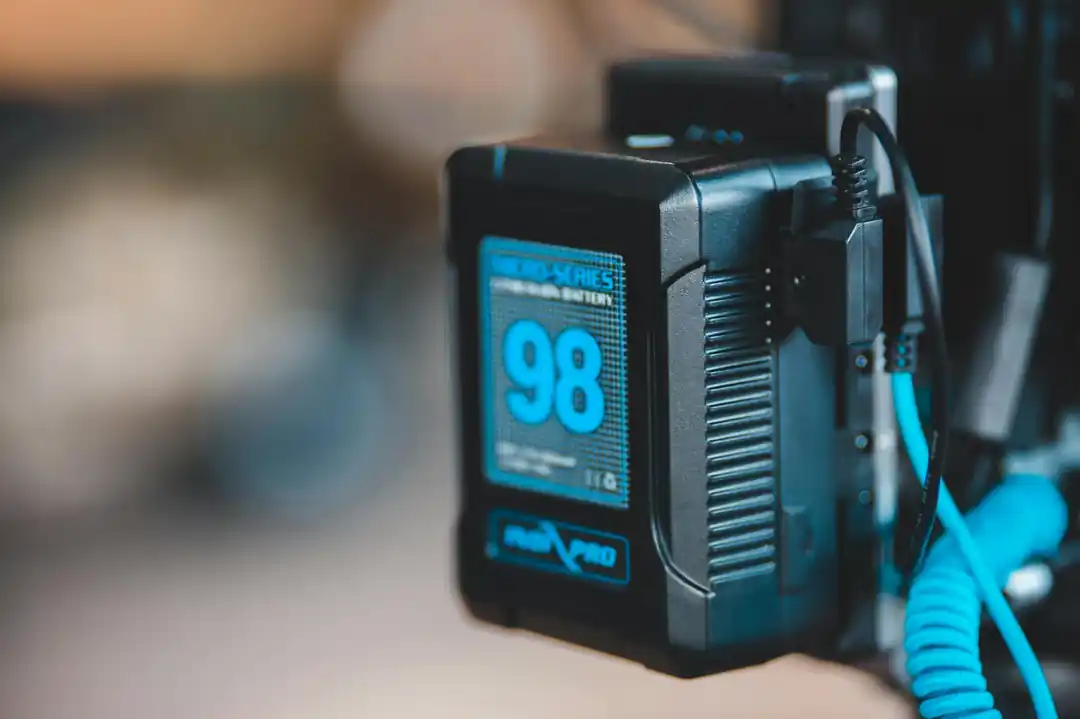
If a standby generator is the powerful workhorse, a whole-home battery system, like the Tesla Powerwall or Enphase IQ Battery, is the sophisticated, silent guardian. These systems are professionally installed and integrate directly with your home's electrical panel. Much like a portable power station, they store energy, but on a much larger scale. They can power your entire home for a significant period, depending on the capacity you choose.
The magic of these systems truly shines when paired with rooftop solar panels. During the day, your solar panels power your home and charge the battery. At night, or during an outage, your home seamlessly switches over to run on the stored battery power. It’s a step toward complete energy independence. You're not just protected from outages; you're actively reducing your reliance on the grid and lowering your electricity bills every single day.
This is, without a doubt, the most expensive option upfront. However, with the potential for long-term energy savings and the incredible convenience of silent, automatic, and clean backup power, many homeowners see it as a worthwhile investment in their property and their future. It’s a fundamentally different way of thinking about your home's energy.
So, What's Right for You?
Choosing your backup solution is a personal decision. You have to weigh your budget against your needs and your tolerance for inconvenience.
If you're looking for an affordable, entry-level option for short outages, a portable generator or a mid-sized portable power station is a great place to start. The power station gets my vote for its indoor safety and silence.
If you live in an area with frequent, long-lasting outages and need to power your entire home, including large appliances like an HVAC system, a standby generator is the most reliable and powerful choice.
If you desire a silent, maintenance-free solution that can handle essentials and can be recharged with solar, a large portable power station is an incredibly versatile and compelling option.
And if you're ready to make a long-term investment in energy independence, with silent, automatic backup and daily savings on your utility bills, a whole-home battery system with solar is the undeniable future of home power.
No matter which path you choose, taking a step—any step—to prepare for a power outage is a smart move. It’s about reclaiming control and ensuring your home remains a sanctuary of comfort and safety, even when the lights go out everywhere else.

What's Your Financial Story? A Guide to Calculating Your Personal Net Worth
Don't Let Winter Win: A Homeowner's Guide to Preventing Frozen Pipes
Related Posts
 INTERIOR IDEAS
Beyond Stark White: The Best Interior Paint Colors to Light Up Your New Space
Discover how moving away from flat white walls to soft pale blues, earthy sage greens, and cozy warm neutrals can naturally brighten your home.
 HOME IMPROVEMENT
The Honest Winter Energy Guide: How I Cut Heating Costs Without Freezing
Practical, research-backed ways to keep your home warm and your utility bills reasonable this winter, from simple DIY sealing to smart habits.

Popular Posts

Rethinking Non-Profit Promotion: Creative Strategies That Actually Drive Event Impact
Beyond Stark White: The Best Interior Paint Colors to Light Up Your New Space

How to Actually Master a New Language on Your Own (No Magic Gene Required)