Don't Let Winter Win: A Homeowner's Guide to Preventing Frozen Pipes
It's one of a homeowner's worst fears: a burst pipe in the dead of winter. Here’s how to take simple, proactive steps to protect your home and your wallet from a watery disaster.
There’s a certain magic to the first real cold snap of the year, isn’t there? It’s the perfect excuse to pull out the cozy sweaters, brew something warm, and settle in for the season. But as a homeowner, that crisp winter air carries a faint note of anxiety. We’ve all heard the horror stories—a friend, a neighbor, a distant relative—who went on a weekend trip and came back to an indoor waterfall and a five-figure repair bill. The culprit? A single, frozen pipe.
Honestly, it’s a scenario that can keep you up at night. The thought of water pouring through ceilings and soaking everything you own is a true nightmare. For a long time, I figured it was a freak accident, something that only happened in very old houses or in the absolute coldest parts of the country. But the reality is, any home with plumbing is vulnerable when the temperature drops low enough. A sudden, deep freeze can catch anyone off guard.
The good news is that preventing this catastrophe is surprisingly straightforward. You don’t need to be a master plumber or a construction expert to protect your home. With a little bit of awareness and a few simple, proactive steps, you can ensure your winter remains cozy and dry, saving yourself a world of stress and a small fortune in potential damages.
The Anatomy of a Freeze: Why Your Pipes Are at Risk
So what actually happens when a pipe "freezes"? It’s a bit more dramatic than just getting a little ice cube inside. When water turns to ice, it expands by about 9 percent. That might not sound like much, but the pressure it creates inside an enclosed pipe is immense—we're talking thousands of pounds per square inch. This pressure is what ultimately causes the pipe to split open. The real damage, however, often doesn't happen until the pipe thaws and all that water, now under pressure from the city's supply, is unleashed into your home.
Pipes are most vulnerable in the unheated parts of your house. Think about areas like the attic, the crawl space, a chilly basement, or the garage. Pipes that run along exterior walls are also prime candidates for freezing because they're just inches away from the bitter cold. The critical temperature to watch out for is generally considered to be around 20°F (-6°C). When the forecast shows temperatures dipping that low or below, it’s time to be on high alert.
The financial fallout is what truly makes this a homeowner's nightmare. According to industry data, a burst pipe can easily cause $5,000 or more in damages. In fact, insurance companies report that the average claim for water damage from frozen pipes can be upwards of $15,000. It’s a staggering number that proves an ounce of prevention is worth a pound (or several thousand pounds) of cure.
The Low-Hanging Fruit: Simple, No-Cost Prevention Tips
Before you even think about spending a dime, there are several incredibly effective strategies you can use during a cold snap that cost absolutely nothing. These are the simple habits that can make all the difference between a peaceful winter night and a frantic call to an emergency plumber.
First, and perhaps most famously, let your faucets drip. I know, it feels wasteful, but a slow, steady trickle of water is one of the most effective ways to prevent a freeze. It’s not about the volume of water; it’s about the movement. Moving water freezes much more slowly than stagnant water, and this tiny flow relieves the dangerous pressure that builds up inside the pipes. Focus on the faucets that are most at risk—the ones in bathrooms or kitchens on exterior walls. A drip the size of a pencil lead is all you need.
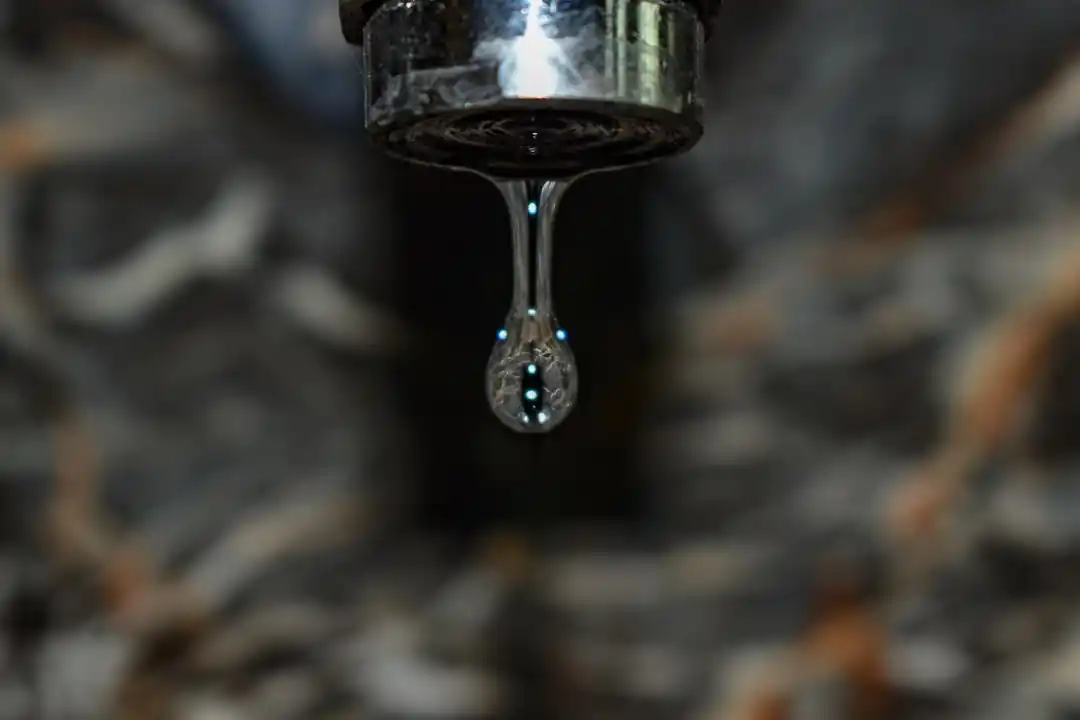
Next, give your thermostat a second thought. It’s tempting to dial it way down at night or when you leave for the day to save on your heating bill, but this can be a risky gamble in deep winter. It's widely recommended to keep your thermostat set to at least 55°F (13°C) at all times. This ensures that enough ambient heat reaches the hidden corners of your home where pipes reside. Finally, for a trick that is as simple as it is effective: open your kitchen and bathroom cabinet doors. The pipes under your sinks are often enclosed in a cold, dark space right against an exterior wall. By opening the doors, you allow the warm air from the rest of your house to circulate around them, keeping them safely above freezing.
Your Weekend DIY Project: Insulate and Seal
If you want to move from temporary fixes to long-term solutions, a little bit of DIY work can provide robust protection for your home's plumbing. Spending a few hours on a weekend afternoon can give you peace of mind for the entire winter season.
The single most effective thing you can do is insulate any exposed pipes in unheated areas. Head to your local hardware store and you’ll find foam pipe sleeves. These are incredibly cheap—often less than a dollar per foot—and designed for easy installation. They are pre-slit down the side, so you just have to snap them over the pipes. It’s a satisfyingly simple task. Focus on your basement, crawl space, and attic. For an extra layer of security in extremely cold climates, you can also look into UL-approved heat tape or heat cables that wrap around pipes and use a small amount of electricity to keep them warm.
While you’re in investigation mode, do a thorough check for any air leaks that could be letting cold air into your home. Pay close attention to the areas where pipes, wires, or vents enter your house from the outside. A small crack can let in a surprising amount of frigid air. Use caulk or spray foam to seal these gaps tightly. And don't forget the garage—if you have any water supply lines running through it, make a habit of keeping the garage door closed as much as possible. Every little bit of cold air you keep out is a win for your pipes.
Taking these steps isn't just about home maintenance; it's about protecting your sanctuary. There's a deep sense of security that comes from knowing you've done what you can to guard against the worst that winter can throw at you. So take the time, make the small investment, and then you can truly relax and enjoy the beauty of the season, worry-free.
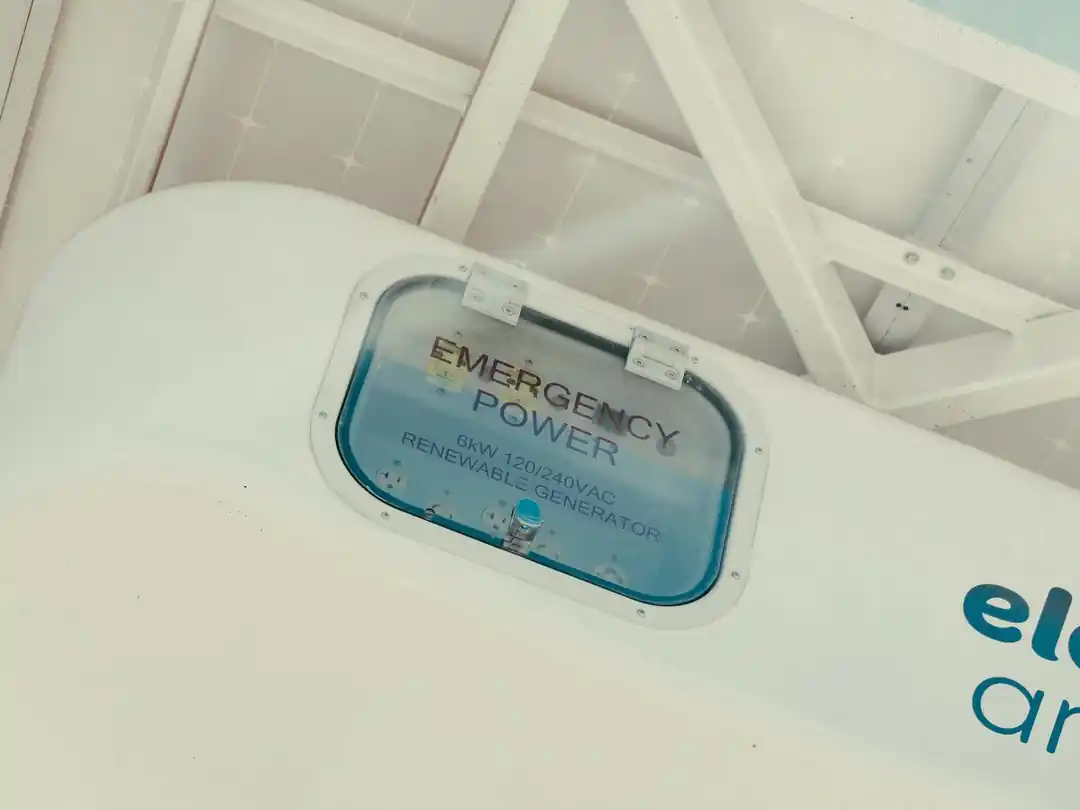
Don't Get Left in the Dark: Your Ultimate Guide to Home Power Backup
Beyond the Coast: Why the Australian Outback is the Ultimate Adventure for US Travelers
Related Posts
 INTERIOR IDEAS
Beyond Stark White: The Best Interior Paint Colors to Light Up Your New Space
Discover how moving away from flat white walls to soft pale blues, earthy sage greens, and cozy warm neutrals can naturally brighten your home.
 HOME IMPROVEMENT
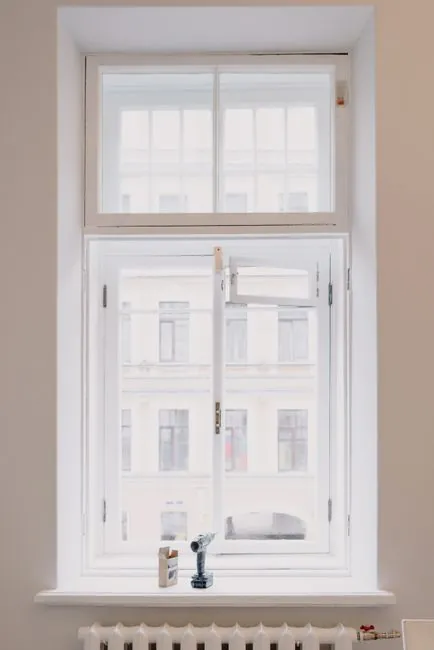
The Honest Winter Energy Guide: How I Cut Heating Costs Without Freezing
Practical, research-backed ways to keep your home warm and your utility bills reasonable this winter, from simple DIY sealing to smart habits.

Popular Posts

Rethinking Non-Profit Promotion: Creative Strategies That Actually Drive Event Impact
Beyond Stark White: The Best Interior Paint Colors to Light Up Your New Space

How to Actually Master a New Language on Your Own (No Magic Gene Required)
