How the VCT 2027 15-City Tournament Circuit reshapes the casual fan experience
An overview of Riot Games' 2027 VALORANT Champions Tour format overhaul, examining how 15 host cities, open qualifying pathways, and tournament-first scheduling alter spectator engagement.
The transition from drawn-out league play to tournament brackets
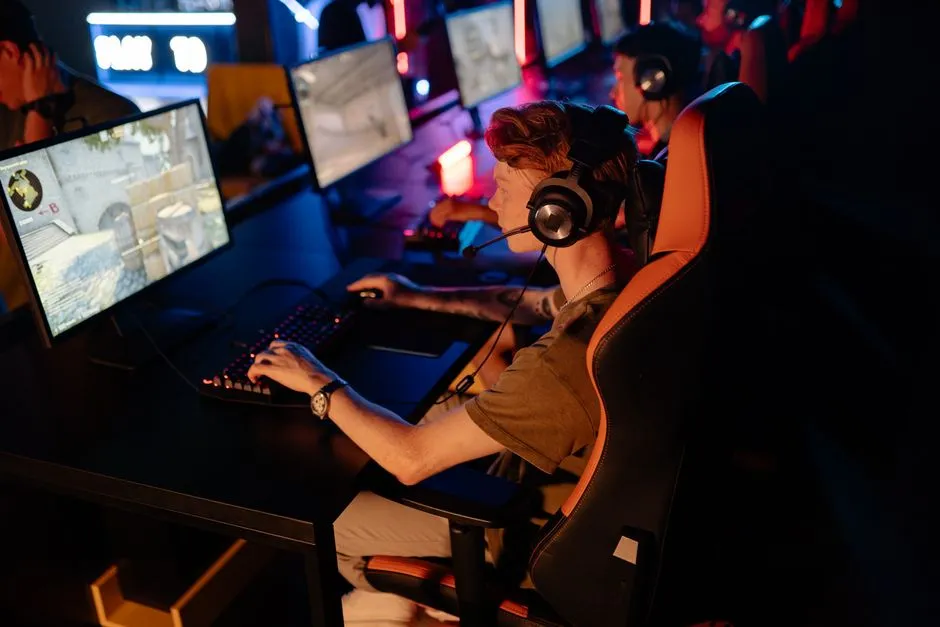
The traditional cadence of the VALORANT Champions Tour (VCT) relied on extended regional league structures. Before 2027, seasons were anchored around lengthy Stage 1 and Stage 2 regular seasons with weeks of round-robin matches where individual series often carried little immediate risk of elimination. For casual fans, this structure often led to viewer fatigue, as keeping up with mid-season schedules required a heavy time investment but offered low competitive tension during the early weeks.
The 2027 overhaul removes standard regular-season league play in favor of a standalone tournament ecosystem where every tier of competition operates as a bracket. Under the "Everything is a Tournament" philosophy, the season is organized into five levels: Opens, Kickoffs, Cups, Masters, and Champions. Replacing the multi-month linear slog with concise, high-consequence tournaments ensures every broadcast has tangible stakes, as teams play for direct survival or international qualification rather than marginal standings points.
This shift benefits casual spectators who prefer clear storylines and decisive outcomes over intricate standings mathematics. Shortened tournament formats end in "Finals Weekends," condensing the most important matches into concentrated viewing windows. Instead of tracking months of incremental results to see if a team qualifies for playoffs, viewers can tune into self-contained events—such as the new regional Cups—knowing each match immediately determines whether a roster lifts a trophy or exits the competition.
Expanding the global map: 15 host cities and in-person fan access
2027 VCT Global Tour: 15 Host Cities by Tournament Stage
| Tournament Stage | Host Cities | Region / Dates |
|---|---|---|
| Regional Kickoffs | Bangkok, São Paulo, Berlin, Hangzhou | Pacific, Americas, EMEA, China |
| Regional Cups (Set 1) | Manila, Mexico City, Warsaw, Wuhan | First regional rotation |
| Regional Cups (Set 2) | Tokyo, Rio de Janeiro, Istanbul, Shanghai | Second regional rotation |
| Masters Events | Seoul (South Korea), Valencia (Spain) | Seoul: Feb 20 – Mar 3, 2027 | Valencia: June 2027 |
| Champions 2027 | Austin, Texas | September 16 – October 10, 2027 |
A central part of the 2027 restructuring is the geographic diversification of live events, expanding from 10 host cities in 2025 and 2026 to 15 metropolitan centers across more than 50 tournaments globally. Previously, regional league matches were locked into static hub studios, requiring fans outside those cities to watch months of competition purely through online streams. The new model turns the competitive calendar into an international tour, bringing the physical stage to regional communities.
The distribution of events ensures broad coverage across all major competitive territories. Regional Kickoff tournaments begin the tour in Bangkok for the Pacific region, São Paulo for the Americas, Berlin for EMEA, and Hangzhou for China. As the season progresses into the regional Cup phase, competition rotates through new host cities: the first set of Cups takes place in Manila, Mexico City, Warsaw, and Wuhan, while the second set travels to Tokyo, Rio de Janeiro, Istanbul, and Shanghai. By relocating tournaments to different cultural hubs rather than staying in single broadcast centers, local fans have more opportunities to attend professional matches in person.
The international tier follows the same distributed philosophy, providing live experiences throughout the year. The first global event under the revamped model, Masters Seoul, takes place from February 20 to March 3, 2027, marking VALORANT's first major international return to South Korea since Champions 2024. Following Seoul, the circuit heads to Valencia, Spain, for the second Masters event in June 2027—the first time a VCT event is hosted in that city. The competitive year ends with Champions 2027 in Austin, Texas, from September 16 to October 10. For the casual viewer, this rotation creates distinct broadcast environments and crowd atmospheres, turning regional matchups into roadshows, despite the rising cost of travel for competitive esports teams involved in such a schedule according to details on the new format.
Underdog narratives and open qualification pathways
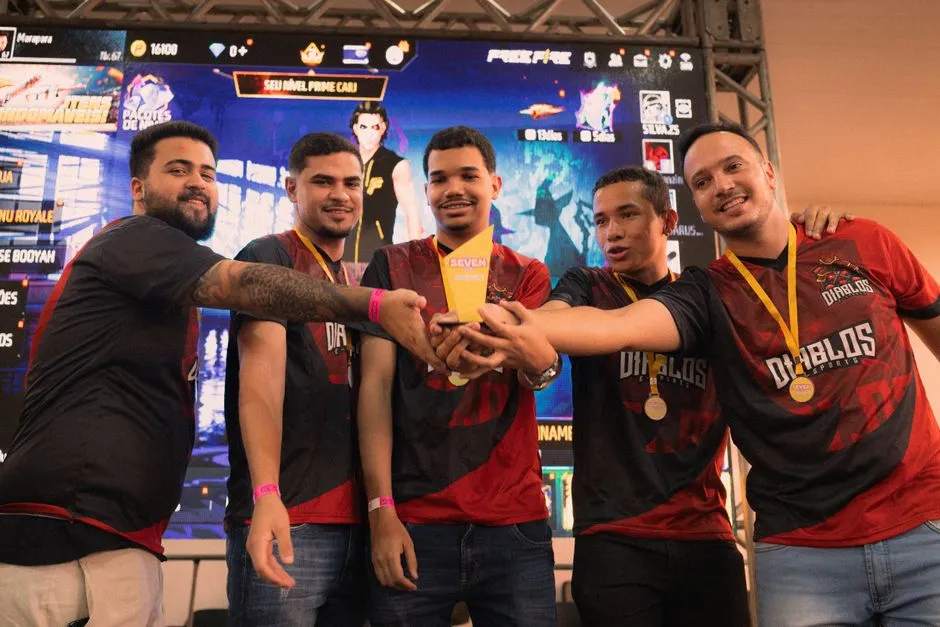
Before the 2027 format changes, the divide between franchised Tier 1 partner organizations and the broader competitive ecosystem was rigid, often isolating rising talent and independent rosters into separate developmental circuits. Under the revised rules, open qualifiers across 16 sub-regions (including direct local qualifiers for regions such as Brazil, Japan, and Turkey) feed directly into the top flight. Non-partnered teams are no longer locked out of the primary circuit for an entire year; any qualifying five-player roster that meets regional eligibility and age thresholds can earn a spot in regional Kickoffs and Cups, often utilizing rank advancement strategies to climb the competitive ladder.
In the regional Kickoffs across the Americas, EMEA, and Pacific, competition features 12 teams per region, split between eight established Partner Teams and four rosters that earned their way through Open Qualifiers. To support non-partnered organizations and independent squads, Riot Games introduced guaranteed qualification stipends alongside standard prize pool earnings. Rules governing roster continuity ensure that open and creator-backed squads retain their competitive progress across the season as long as they maintain at least three of their five starting players.
These adjustments enhance the spectator experience by creating genuine "Cinderella" storylines. Casual sports and esports audiences naturally rally behind underdog runs, where lesser-known challenger teams can upset established powerhouses on stage. Because successful open teams can advance from grassroots qualifiers to Cups, Masters, and eventually Champions within a single season, casual viewers see narratives that emerge from match results rather than corporate franchising agreements.
Calendar pacing, broadcast cohesion, and in-game synergies
Beyond bracket mechanics and host locations, the 2027 calendar introduces a more compact schedule to eliminate prolonged periods of competitive downtime. Historically, extended off-seasons created multi-month content voids where casual fans often lost track of team rosters and storylines. The 2027 structure reduces these gaps by launching Kickoff competition in November 2026, sustaining tournament milestones throughout the spring and summer, and driving toward the season climax in the autumn.
Spectators also benefit from the integration of different competitive verticals within the main broadcast stages. The VCT Game Changers Championship season finale will be hosted alongside Champions 2027 in Austin, Texas. Co-locating the Game Changers circuit with the premier men's and mixed-gender championship unifies the viewing calendar, allowing fans to follow both world-title deciders in a single destination rather than across isolated events later in the year.
Finally, Riot has streamlined the connection between live esports viewership and everyday gameplay. To complement the tournament format, a redesigned Esports Bundle introduces a themed Ghost skin—replacing the standard Classic—providing fans with updated digital items to represent their favorite teams in-game. Paired with high-stakes broadcasts and regular international tour stops, the 2027 model delivers a cohesive viewing pipeline for casual players and dedicated esports enthusiasts alike.
References
Best streaming platforms and schedule optimization tips for watching Seoul Masters VALORANT games
The rising cost of travel for competitive esports teams in VCT 2027
Related Posts
 LIFE
Accessible seating and travel logistics for international VALORANT events in Seoul
A comprehensive guide covering travel logistics, venue access, and ticket booking for international VALORANT esports tournaments held at LoL Park in Seoul.
LIFEBest streaming platforms and schedule optimization tips for watching Seoul Masters VALORANT games
Discover the top streaming platforms and effective schedule optimization tips for catching every thrilling moment of the Valorant Champions 2024 playoffs in Seoul.
Popular Posts

Best Valorant aim training tools and software for high-level play in 2027
Accessible seating and travel logistics for international VALORANT events in Seoul
Best streaming platforms and schedule optimization tips for watching Seoul Masters VALORANT games