A guide to low-impact somatic exercises for nervous system regulation
Discover how gentle, body-based somatic exercises can help release stored tension, regulate your nervous system, and provide lasting stress relief.
Understanding somatic exercises and the nervous system
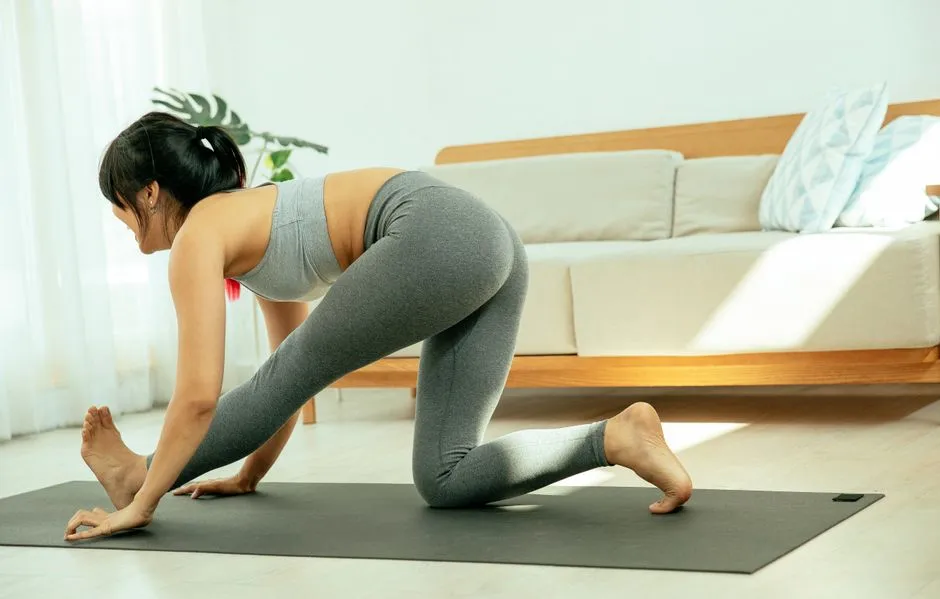
Somatic techniques in therapy are body-based practices that help people regulate emotions, process stress, and restore a sense of safety. Unlike traditional talk therapy, which relies heavily on thoughts and cognitive insight, somatic work operates directly through the nervous system. This approach recognizes that stress and trauma are not just memories in the brain; they are also held as physical patterns throughout the body. These patterns can manifest as chronic muscle tension, restricted breathing, emotional shutdown, or heightened reactivity. By focusing on present-moment sensations, movement, and rhythm, somatic techniques offer a path to relief that talking alone may not achieve, reflecting the connection between movement and mental wellness.
To understand why these exercises work, it is helpful to look at the autonomic nervous system, which operates in two main branches. The sympathetic nervous system acts as the body's accelerator, driving the fight-or-flight response by increasing heart rate, tensing muscles, and heightening alertness during perceived danger. The parasympathetic nervous system functions as the brakes, supporting rest, digestion, and recovery once a threat has passed. Many mental health symptoms arise when the nervous system becomes chronically stuck in high activation, leading to anxiety and panic, or low activation, resulting in numbness and collapse. Somatic exercises help shift the body out of these extreme states and back toward a balanced baseline.
Polyvagal theory expands on this biological framework by explaining that the parasympathetic system itself has distinct pathways. The ventral vagal system supports feelings of safety, social connection, and engagement, while the dorsal vagal system is associated with a freeze or shutdown response when a threat feels entirely overwhelming. From this perspective, true healing requires the body to physically experience safety, rather than just intellectually understanding it. Through consistent practice, somatic exercises can improve "vagal tone," which is a measure of how efficiently the vagus nerve helps the body transition from a state of stress back into calm and recovery. Higher vagal tone is linked to better emotional regulation and physical resilience.
The difference between somatic exercises and somatic shaking
Somatic exercises and somatic shaking are interchangeable terms.
Somatic exercises encompass a broad category of mindful body practices, while somatic shaking is just one specific technique within that category.
Somatic shaking is a newly invented social media trend.
Controlled tremoring has been used for decades in trauma-informed therapies to help release trapped survival energy.
Somatic shaking is universally beneficial for everyone.
Individuals with easily overwhelmed or sensitive nervous systems often regulate better with slower grounding and breathwork practices.
As body-based therapies have grown in popularity, particularly on social media, the terms "somatic exercises" and "somatic shaking" are often used interchangeably. However, while they are closely related, they describe different scopes of practice. Somatic exercises are a broad category of gentle, mindful movements intended to increase body awareness and regulate the nervous system. This category includes a variety of practices, such as grounding techniques, intentional breathwork, progressive muscle relaxation, gentle yoga poses for anxiety relief, and body scanning. The primary emphasis is noticing internal sensations and gradually releasing the chronic tension patterns that accumulate from stress.
Somatic shaking is one specific technique within the larger framework of somatic therapy. This practice involves rhythmic, controlled tremoring or light bouncing movements. Shaking can help reduce deep muscular bracing and support the nervous system in shifting out of a heightened fight-or-flight state. While videos of somatic shaking have recently become a viral trend online, the technique is not a new discovery; shaking and tremoring movements have been used for decades in trauma-informed somatic therapies to help clients release trapped survival energy.
The distinction between the two terms is one of categorization: somatic exercises describe the entire therapeutic approach to mindful movement, whereas somatic shaking is one tool in the toolbox. Not everyone needs or benefits from somatic shaking. For many people, especially those with highly sensitive or easily overwhelmed nervous systems, slower grounding practices, simple breath-based exercises, or a calming Moon Salutation yoga flow are more regulating. Regardless of the method chosen, the goal is to improve nervous system regulation and strengthen the connection between the mind and the body.
Grounding and orienting for immediate relief
5-4-3-2-1 Sensory Grounding Technique
1. 5 Things You See
Look around and quietly identify five distinct visual elements in your environment.
2. 4 Things You Touch
Physically touch and notice the texture of four objects or surfaces nearby.
3. 3 Things You Hear
Listen carefully to pick out three distinct sounds in your surroundings.
4. 2 Things You Smell
Direct your focus to identify two different scents present in your current space.
5. 1 Thing You Taste
Notice one taste or physical sensation inside your mouth.
When the mind is racing or the body feels overwhelmed by anxiety, grounding exercises can help reconnect with the present moment. These practices interrupt the nervous system's tendency to drift into past traumas or future worries. One fundamental technique involves sitting or standing and directing attention to physical sensations of contact, such as noticing where your feet touch the floor or how your back rests against a chair. By anchoring your focus on these tangible, present-moment realities and breathing deeply, you can often find immediate relief from spiraling emotions.
A more structured approach to grounding is the 5-4-3-2-1 technique, which methodically engages all five senses to pull your attention away from distressing internal narratives and back into your immediate environment. The exercise requires you to quietly identify five things you can see, four things you can physically touch and feel the texture of, three things you can hear, two things you can smell, and one thing you can taste. The goal of this exercise is not to gain deep psychological insight, but simply to force the brain to process real-time sensory data. This acts as a body-level reset, helping to synchronize a racing mind with a grounded physical state.
Orienting is another technique, rooted in Peter A. Levine’s Somatic Experiencing method, designed to shift the nervous system's focus away from a perceived threat and toward safety. When we are stressed, our vision often narrows into a tunnel-like focus to prioritize danger detection. Orienting counters this by intentionally widening the gaze. You can practice this by slowly looking around your room, observing neutral shapes, colors, and textures, and affirming that you are safe in the current space. By letting your eyes soften and expanding your peripheral vision, you send biological signals to the midbrain that the environment is secure enough to allow for relaxation.
Breathwork and vagal nerve stimulation
Low-Impact Breathwork and Vocalization Techniques
| Technique | Pacing & Method | Nervous System Benefit |
|---|---|---|
| Extended Exhale Breathing | Inhale for 4 counts, exhale slowly for 6 to 8 counts | Stimulates the parasympathetic system and strengthens ventral vagal tone |
| Modified Box Breathing | Inhale 4 counts, hold 4, exhale 6, pause 2 counts | Provides structured pacing for a gentle autonomic nervous system reset |
| Resonant Breathing | Maintain a steady rhythm of 5 to 6 breaths per minute | Supports smooth autonomic transitions and baseline recovery |
| Straw Breathing | Purse lips as if holding a straw and exhale slowly | Lowers heart rate by establishing controlled, extended exhalation |
| Voo Sound Vocalization | Inhale through nose, exhale making a low 'vooooo' sound 3 to 5 times | Creates chest and throat vibrations to directly stimulate the vagus nerve |
Breathwork is one of the fastest voluntary methods a person can use to influence their autonomic nervous system. The way we breathe sends direct signals to the brain about our state of safety or danger. Exercises that emphasize a slow pace and an extended exhale are effective at stimulating the parasympathetic nervous system and strengthening ventral vagal tone. However, overly intense or rapid breathwork can increase sympathetic activation and mimic panic, so these styles should generally be avoided by those seeking to regulate stress or manage trauma responses.
There are several simple, low-impact breathing skills designed for a gentle nervous system reset. Extended exhale breathing is a foundational practice where you breathe in for a count of four and breathe out slowly for a count of six to eight. Modified box breathing involves inhaling for four counts, holding the breath for four, exhaling for six, and pausing for two counts before repeating. Another accessible option is resonant breathing, which aims for a steady, rhythmic pace of about five to six slow breaths per minute. You can also utilize straw breathing, where you purse your lips as if holding a straw and force the exhale to be slow and controlled, which naturally lowers the heart rate.
In addition to breathwork, vocalization can stimulate the vagus nerve and bring the body out of a numb or disconnected state. The "Voo" sound technique is one example. To practice it, inhale slowly through the nose and then exhale while making a low, resonant "vooooo" sound, paying attention to the physical vibrations in your chest and throat. Repeating this three to five times vibrates the vagus nerve. Humming a favorite song or engaging in a slow, rhythmic sigh can produce similar benefits, signaling safety to the body.
Releasing tension through body awareness

Body scanning is a somatic practice that builds awareness of where and how the body carries stress. The exercise involves mentally traveling through your body, typically starting at the feet and moving your attention up to the top of your head. As you scan each region, the objective is simply to notice sensations, tension, or discomfort without immediately trying to fix them. This practice highlights areas of muscular holding—such as a clenched jaw or tight shoulders—that you may have been unaware of, bringing subconscious physical bracing into conscious awareness.
Once you are aware of your internal sensations, you can utilize a Somatic Experiencing technique known as pendulation to help process discomfort. Pendulation is the practice of intentionally moving your attention back and forth between a distressed area of the body and a neutral or pleasant area. For example, if you notice a tight, anxious knot in your chest, you might focus on that sensation briefly, and then shift your attention entirely to the neutral feeling of your pinky toe resting on the floor. By alternating between the discomfort and the safety of the neutral sensation, you build physical tolerance and allow the nervous system to process the trapped energy without becoming completely overwhelmed by it.
Progressive muscle relaxation is another method for addressing the physical residue of stress. This technique involves deliberately tensing specific muscle groups for a few seconds and then consciously releasing that tension. You can start by squeezing your toes, holding the tension, and letting it go, then moving up through your calves, thighs, abdomen, arms, and face. Because chronic stress often causes the body to forget what true relaxation feels like, this deliberate contrast helps the nervous system relearn the sensation of letting go, reducing baseline physical tension over time.
References
- Somatic Shaking Is Trending: Here’s How It Fits Into Somatic Exercises
- Somatic Hacks to Reset Your Nervous System
- 5 Somatic Therapy Exercises to Regulate Your Nervous System (From a Somatic Therapist)
- Somatic Exercises for Emotional Regulation: Using Peter Levine’s Somatic Experiencing® Techniques — Salty Counseling

Gut-brain diet tips: Enhancing mood stability and emotional health through nutrition
Effective daily coping strategies for managing anxiety and burnout

Related Posts
 HEALTH
The biological link between stress, inflammation, and chronic pain management
An in-depth exploration of how psychological stress amplifies chronic pain through inflammatory pathways and how mindfulness techniques can alter these biological responses.
 HEALTH
Best anti-inflammatory foods and healing nutrients to speed up joint and tendon recovery
Discover how targeted anti-inflammatory foods and essential nutrients support joint and tendon recovery, reduce chronic swelling, and accelerate tissue healing.

Popular Posts

A step-by-step guide to managing the film casting process for independent movies
The biological link between stress, inflammation, and chronic pain management
Best anti-inflammatory foods and healing nutrients to speed up joint and tendon recovery