Feeling overwhelmed? Discover how a few simple, gentle yoga poses can become your anchor in the storm of anxiety, helping you find calm right in your own living room.
Honestly, some days the world feels like it’s spinning just a little too fast. The constant hum of notifications, the pressure to keep up, the never-ending to-do list—it can all build into a tight knot of anxiety in your chest. I know that feeling all too well. For years, I searched for a way to quiet the noise, to find a moment of genuine peace. It wasn't about finding a magic cure, but rather a gentle practice that could help me navigate the storm. That’s when I found yoga, and it was nothing like the intimidating, pretzel-like images I had in my head.
It was quiet. It was personal. And it was, to my surprise, incredibly simple. The true power of yoga for anxiety isn’t in achieving a perfect, Instagram-worthy pose. It’s in the simple act of showing up for yourself, of breathing deeply, and of allowing your body and mind to reconnect. It’s a moving meditation that untangles the knots, one breath at a time. You don’t need to be flexible, and you certainly don’t need any experience. All you need is a few minutes and the willingness to be still.
Why a Simple Stretch Can Feel So Profound
It’s easy to dismiss the idea that a few gentle poses could make a dent in real, heart-pounding anxiety. I was skeptical, too. But there’s a deep, physiological reason why it works. When we’re anxious, our body is in a state of high alert, a "fight-or-flight" response that was useful for our ancestors but is exhausting in our modern world. Yoga helps us consciously shift into the "rest-and-digest" state, activating the parasympathetic nervous system. It’s like telling your body, "It's okay. You are safe."
I recently read an article on Healthline that explained how yoga helps reduce the physical symptoms of anxiety by lowering heart rate, blood pressure, and easing respiration. It’s not just in your head; your entire body begins to receive the message of calm. Furthermore, the focused breathing (pranayama) that is so integral to yoga has been shown to soothe the nervous system and quiet the racing thoughts that often fuel the anxiety cycle.
What I find most beautiful about this practice is how it cultivates mindfulness. Anxiety often pulls us into worrying about the future or ruminating on the past. Yoga anchors you firmly in the present moment. The feeling of your hands on the mat, the sensation of a gentle stretch across your back, the sound of your own steady breath—it all becomes a focal point, drawing your attention away from the "what-ifs" and back to the "what-is." It’s a powerful, grounding experience that you can carry with you long after you’ve rolled up your mat.
Three Gentle Poses to Begin Your Journey
Getting started is the easiest part. Find a quiet corner, put on some comfortable clothes, and give yourself permission to just be. Here are three incredibly accessible poses that are renowned for their calming effects.
1. Child's Pose (Balasana)
If there is one pose that feels like a universal symbol of surrender and self-care, it’s this one. Child’s Pose is a resting posture that instantly feels safe and grounding. It gently stretches the hips, thighs, and lower back while relieving tension in the neck and shoulders. It’s my go-to pose when I feel overwhelmed and just need to shut out the world for a minute.
To practice it, start on your hands and knees. Bring your big toes to touch and spread your knees wide apart. Then, slowly sit your hips back towards your heels and fold your torso forward, allowing your forehead to rest on the floor. You can either stretch your arms out in front of you or rest them alongside your body, palms facing up. Close your eyes and focus on breathing deeply into your back, feeling your ribs expand with each inhale. Stay here for at least five to ten deep breaths.
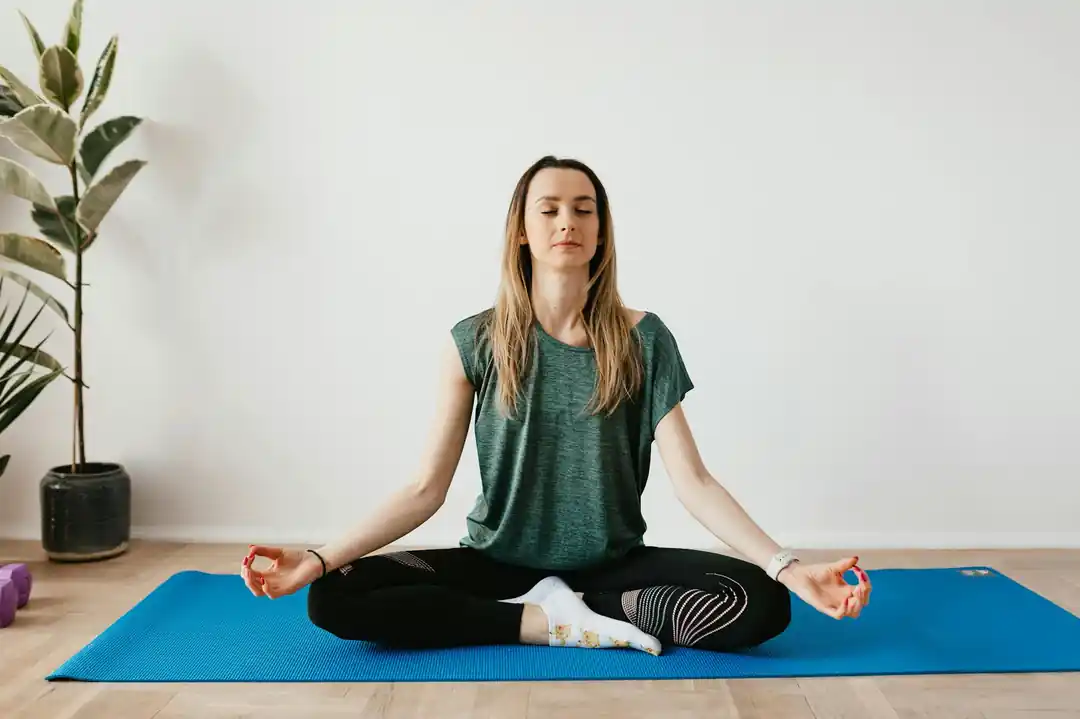
2. Cat-Cow Pose (Marjaryasana-Bitilasana)
This is less of a static pose and more of a gentle, flowing movement that connects your breath to your body. It’s wonderful for waking up the spine and releasing built-up tension in the back and shoulders—areas where stress loves to hide. The rhythmic movement is almost hypnotic, helping to calm the mind.
Begin on all fours, with your wrists directly under your shoulders and your knees under your hips. As you inhale, drop your belly towards the mat, lift your chest and tailbone, and look forward (Cow Pose). As you exhale, round your spine towards the ceiling, tuck your chin to your chest, and press into your hands (Cat Pose). Continue flowing between these two poses, letting your breath guide the movement. Do this for about a minute, and notice how much more open your body feels.
3. Legs-Up-The-Wall Pose (Viparita Karani)
This is, without a doubt, one of the most restorative and relaxing poses in all of yoga. It requires minimal effort but offers maximum reward. This gentle inversion helps calm the nervous system, drains stagnant fluid from the legs, and can even help with fatigue and sleep. It’s the perfect way to end your day.
To get into the pose, sit on the floor with one hip against a wall. Then, gently swing your legs up the wall as you lie back on the floor. Your sitting bones should be as close to the wall as is comfortable. Let your arms rest by your sides, palms facing up, and allow your body to feel heavy and supported. Close your eyes and breathe. Stay here for anywhere from 5 to 15 minutes. You’ll be amazed at how deeply calming it is.
Weaving Calm into Your Life
The goal of practicing yoga for anxiety is not to add another "should" to your list. It's to offer yourself a tool, a moment of respite that you can turn to whenever you need it. Some days, that might be a full 20-minute practice; other days, it might just be three deep breaths in Child's Pose before a stressful meeting.
Be gentle with yourself. The practice is about compassion, not perfection. Let each movement be an act of kindness to your body, and each breath a moment of peace for your mind. Over time, you may find that the calm you cultivate on the mat begins to ripple out, touching every corner of your life. And that is a truly beautiful thing.

Feed Your Focus: The Surprisingly Simple Foods That Sharpen Your Mind
More Than Motion: Finding Your Mental Sanctuary Through Exercise
Related Posts
 NUTRITION
The Simple Pre-Workout Fueling Strategy That Saved My Long Runs
Discover how timing your carbohydrates and embracing simple foods can eliminate mid-workout fatigue and unlock your true endurance potential.
 FITNESS
No Gym, No Problem: The Ultimate Guide to Bodyweight Fitness at Home
Forget expensive memberships. Discover how to build serious strength and transform your body using the most powerful tool you already own: yourself.
Popular Posts

Rethinking Non-Profit Promotion: Creative Strategies That Actually Drive Event Impact

Beyond Stark White: The Best Interior Paint Colors to Light Up Your New Space

How to Actually Master a New Language on Your Own (No Magic Gene Required)