Discover how to easily travel by train to some of the top-rated wildlife parks and zoos located near major urban centers across the United Kingdom.
Planning a wildlife excursion in the United Kingdom does not require driving or renting a car. The British rail network provides convenient access to many of the country's conservation centers and animal parks. By taking the train, travelers can bypass highway congestion and parking fees while supporting sustainable tourism. Cities like London, Manchester, Liverpool, and Edinburgh are excellent starting points for day trips to zoos.
Reaching Chester Zoo from regional Northwest hubs
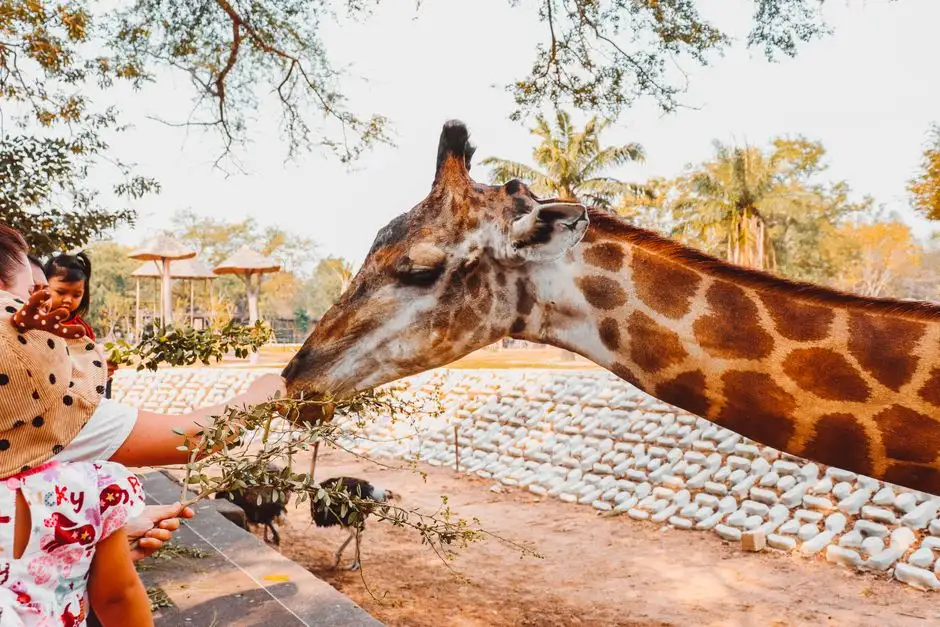
Chester Zoo is one of the most popular wildlife attractions in the UK, home to over 30,000 animals spanning more than 500 species. Located just outside the historic city center of Chester, the facility is well-connected by regional public transportation. Visitors traveling from cities such as Liverpool and Manchester can access Chester via frequent regional train services, making it a perfect day trip from Liverpool.
Once travelers arrive at Chester railway station, getting to the zoo gates is straightforward. Regular local bus services and dedicated transport links operate directly from the station to the zoo entrance. Every ticket purchased funds conservation work conducted both locally and globally, meaning a journey by train also supports international wildlife preservation efforts.
Accessing ZSL London Zoo via the capital's terminals
For travelers based in or visiting the capital, ZSL London Zoo is located right within Regent's Park. The zoo is accessible from several of London's major rail terminals, including Paddington, Euston, and Marylebone. Because these central stations link into the Underground and bus networks, visitors can navigate across the city shortly after stepping off their long-distance train.
Reaching the park gates from nearby tube and bus stops involves a short walk through the city or a quick connection via local transit. This connectivity makes ZSL London Zoo a good option for tourists looking to combine morning sightseeing or rail travel with an afternoon exploring conservation exhibits. Combining national rail services with London's urban transit eliminates the need for private vehicles.
Exploring other notable UK zoos by rail
Tips for Planning Your Rail Journey
- •Check schedules between National Rail services and local connecting buses or walking paths.
- •Consult train ticketing guides in advance to avoid overpaying on fares.
- •Look for stations with direct integration with local transit providers to ease the final leg of the trip.
Beyond Chester and London, the British rail network provides access to several other wildlife destinations. Edinburgh Zoo, in Scotland's capital, is reachable via connections from Edinburgh's main rail stations and offers a chance to see penguins and other remarkable species. Similarly, facilities like Bristol Zoo and the Welsh Mountain Zoo are accessible via regional rail.
Planning a railway-based wildlife trip involves checking schedules between National Rail services and local connecting buses or walking paths. For those unfamiliar with the system, using a guide to buying UK train tickets can help avoid overpaying. Many stations feature direct integration with local transit providers to simplify the final leg of the journey. By taking the train to these institutions, visitors enjoy a more relaxed travel experience and reduce their environmental footprint.
References

Is Meta Muse Wonder AI worth the subscription cost for casual users?
Plan a safe and educational family day at London Zoo
Related Posts
TRAVELPlan a safe and educational family day at London Zoo
Discover how to plan a safe, engaging, and educational family day out at London Zoo, featuring interactive play areas, animal encounters, and learning resources.
 TRAVEL
Essential safety guidelines for visiting UK zoos with children
A comprehensive guide on maintaining health and safety while visiting UK zoos and animal attractions with children, covering hygiene practices and enclosure safety.