Discover the evidence-based guidelines for daily protein intake, optimal macronutrient ratios, and strategic timing required to maximize lean muscle hypertrophy.
Building lean muscle mass while minimizing body fat is a primary goal for many people in resistance training. Achieving these adaptations requires more than just lifting heavy weights; it demands a strategic approach to nutrition. Specifically, configuring daily protein intake and balancing macronutrient ratios creates the physiological environment necessary for muscle tissue remodeling, repair, and sustained growth.
The foundation of lean gains: Daily protein requirements

Skeletal muscle mass is continuously regulated by the competing dynamic processes of muscle protein synthesis (MPS) and muscle protein breakdown (MPB). When resistance exercise is performed, it stimulates MPS, but net protein balance remains negative unless amino acids are introduced via dietary protein intake. Over time, consistent positive net protein balance driven by adequate protein consumption and mechanical loading results in radial muscle fiber growth, known as hypertrophy.
To maximize these hypertrophic adaptations, contemporary scientific literature strongly supports a daily protein intake ranging between 1.6 and 2.2 grams of protein per kilogram of body weight. For individuals consuming sufficient or hypercaloric diets, intakes within this targeted range maximize resistance-exercise-induced gains in lean body mass. While the standard Recommended Dietary Allowance (RDA) of 0.8 to 1.0 grams per kilogram is a baseline to prevent basic deficiencies in sedentary populations, it is insufficient for athletes and active individuals seeking to optimize body composition and enhance physical performance.
Exceeding the standard 1.6 to 2.2 grams per kilogram range generally does not yield significantly greater muscle gains when energy balance is neutral or positive. However, higher protein intakes scaling up to 2.4 or 2.7 grams per kilogram can be exceptionally beneficial during periods of caloric restriction. When individuals enter a hypocaloric state to lose fat, higher protein targets help attenuate the loss of lean body mass and preserve resting energy expenditure. This also enhances satiety and ensures that the weight lost is primarily adipose tissue rather than functional muscle tissue.
Optimal macronutrient ratios for muscle hypertrophy
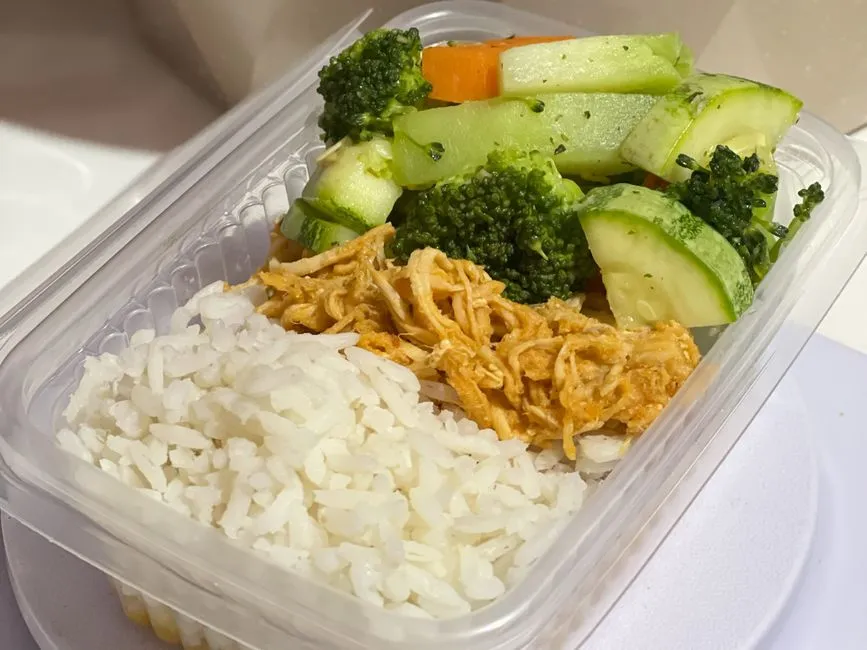
While protein sets the foundational requirement for muscle repair and synthesis, total caloric intake and the balance of all three macronutrients—protein, carbohydrates, and fats—determine whether your body composition changes favor muscle growth or fat storage. Establishing a balanced macronutrient split optimizes energy availability for intense training sessions and supports necessary hormonal environments.
A standard and highly effective macronutrient distribution for lean gains typically allocates approximately 25 to 35 percent of total daily calories to protein, which aligns with the target of 1.6 to 2.2 grams per kilogram of body weight. Distributing this protein evenly across daily meals helps maintain a prolonged elevation of whole-body net protein balance and supports ongoing tissue remodeling.
Carbohydrates should generally comprise 40 to 50 percent of total daily energy intake. They are the primary fuel source for high-intensity resistance training, as they replenish intramuscular glycogen stores and prevent premature fatigue during strenuous workouts. Timing a significant portion of daily carbohydrate intake around training windows can enhance performance and support optimal recovery. Meanwhile, dietary fats should account for 20 to 30 percent of total calories to support vital hormonal production, such as testosterone and estrogen, and aid in the absorption of fat-soluble micronutrients.
Per-meal protein dosing and distribution strategies
0.24–0.40 g/kg
Per-meal target for young adults (~30g protein)
0.40–0.60 g/kg
Per-meal target for older adults to combat anabolic resistance
3–4 meals
Evenly spaced daily meal distribution for optimal MPS
Beyond total daily intake, how protein is distributed throughout the day plays a role in maximizing the cumulative anabolic response. Early assumptions suggested a strict upper limit of 20 to 25 grams of protein per sitting due to receptor saturation. However, more recent research demonstrates that the human body can utilize larger amounts of protein, and slower-absorbing protein sources found in a mixed diet do not suffer from the same acute utilization caps seen with isolated, fast-digesting proteins like whey.
To maximize the muscle protein synthesis response in a single meal, young adults generally require approximately 0.24 to 0.40 grams of protein per kilogram of body weight. This translates roughly to 30 grams of high-quality protein containing adequate amounts of the essential amino acid leucine. For older adults or individuals experiencing anabolic resistance, these per-meal targets should scale upward to 0.40 to 0.60 grams per kilogram to overcome blunted muscular responses to hyperaminoacidemia.
While consuming exceptionally large boluses of protein in a single sitting is effectively utilized by the body over extended postprandial periods rather than wasted, spreading protein intake across three to four evenly spaced meals offers practical advantages. Evenly distributing protein doses stimulates MPS repeatedly throughout the day and prevents prolonged catabolic states. This also makes achieving high total daily protein targets much more manageable for the individual.
References
Related Posts
 HEALTH
How to structure a 4-day push pull legs routine for muscle hypertrophy
A comprehensive guide to designing and executing a four-day push, pull, and legs workout split to maximize muscle growth and recovery.
 HEALTH
The biological link between stress, inflammation, and chronic pain management
An in-depth exploration of how psychological stress amplifies chronic pain through inflammatory pathways and how mindfulness techniques can alter these biological responses.

Popular Posts
How to structure a 4-day push pull legs routine for muscle hypertrophy

Securing mobile endpoints running autonomous AI agents in corporate environments

Best practices for enterprise API security when integrating AI agent workflows