Tired of working out hard but not seeing the muscle growth you want? The secret might be in your kitchen. Let's break down how to eat for real results.
I remember the feeling so clearly. I was putting in the hours at the gym, lifting heavier than ever, and feeling exhausted but accomplished. The only problem? The mirror wasn't reflecting the hard work I was putting in. I felt stronger, sure, but the visible muscle gain I was chasing seemed like a distant dream. It was incredibly frustrating, and for a while, I just figured I had to train even harder.
It turns out I was looking in the wrong place. The missing piece of the puzzle wasn't in the weight room; it was in my kitchen. I was treating food as just something to stop my stomach from rumbling, not as the fundamental fuel required to repair and build muscle. It was only when I started getting serious about what and when I was eating that everything started to click into place.
Building a meal plan sounds intimidating, I know. It brings to mind bland chicken and broccoli in endless Tupperware containers. But honestly, it’s the single most effective change I’ve made for my fitness goals. It’s not about restriction; it’s about intention. It’s about finally giving your body the right tools to build the physique you’re working so hard for.
The 'Big Three': Finally Understanding Your Macros
Before we can build a plan, we have to know what we're building it with. The term "macros" gets thrown around a lot, but it's just a simple way of categorizing the three main nutrient types your body needs: protein, carbohydrates, and fats. Each one has a critical, and surprisingly distinct, role in the muscle-building process. Thinking of them as your construction crew can be a helpful way to visualize it.
First, you have Protein, the foreman of the job site. When you lift weights, you create microscopic tears in your muscle fibers. Protein is what your body uses to repair that damage, building the muscle back bigger and stronger. Without enough protein, your crew can't rebuild, and your progress stalls. This is why you'll see everyone at the gym chugging protein shakes. Aiming for sources like chicken, fish, lean beef, eggs, Greek yogurt, and legumes is fundamental.
Next up are the Carbohydrates, which are the power supply for the entire operation. Carbs are your body's primary energy source. They give you the power to push through a tough workout and lift heavy enough to stimulate muscle growth in the first place. Cutting carbs too low is a classic mistake I made; my workouts suffered, and I felt sluggish all the time. Complex carbs like oats, brown rice, sweet potatoes, and whole-grain bread provide slow-releasing, sustained energy to keep your construction site running all day.
Finally, we have Fats, the project managers and support staff. Healthy fats are crucial for regulating hormones, including those essential for muscle growth like testosterone. They also help your body absorb certain vitamins and provide a dense source of energy. People often fear fats because they are calorie-dense, but they are absolutely vital for your body's overall function. Think avocados, nuts, seeds, and olive oil. They ensure the entire project runs smoothly from an administrative level.
Your Weekly Blueprint: From Shopping List to Meal Prep
Okay, theory is great, but how does this look in the real world? It starts with a smart shopping list and a few hours of prep on a Sunday. The goal is to make eating right the easiest option during a busy week. You don't have to eat the same thing every day, but having a template makes life infinitely easier.
The Ultimate Muscle-Building Shopping List:
- Proteins: Chicken breast, ground turkey (93/7), lean ground beef, salmon, cod, eggs, liquid egg whites, plain Greek yogurt, cottage cheese, and a quality protein powder.
- Complex Carbs: Rolled oats, brown rice, quinoa, sweet potatoes, whole-wheat pasta, and whole-grain bread.
- Vegetables: Broccoli, spinach, asparagus, bell peppers, onions, and mixed greens. (Honestly, get as many greens in as you can).
- Healthy Fats: Avocados, almonds, walnuts, chia seeds, olive oil, and almond butter.
- Fruits: Bananas, berries, and apples are great for pre-workout energy or a sweet snack.
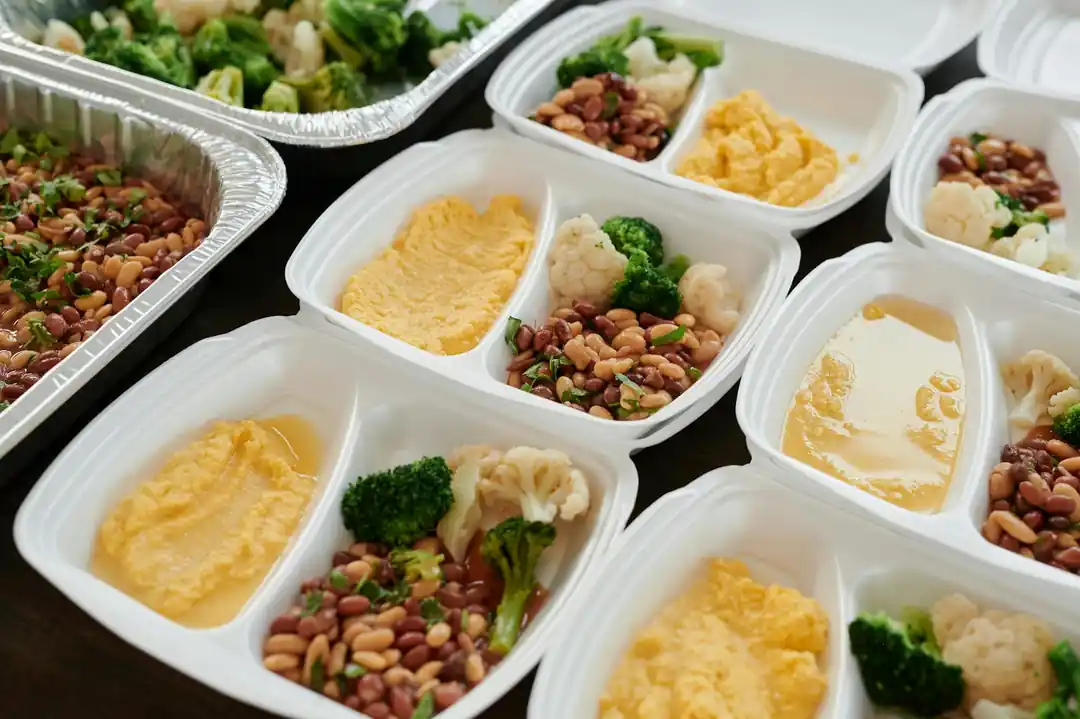
A Sample Day of Eating:
This is just a template, but it gives you an idea of how to structure your day to keep your body fueled for growth.
- Breakfast (7 AM): Scrambled eggs with spinach and a side of oatmeal with berries. This gives you a solid hit of protein and slow-digesting carbs to start your day.
- Mid-Morning Snack (10 AM): A cup of Greek yogurt with a handful of almonds. This tides you over until lunch and keeps the protein intake steady.
- Lunch (1 PM): A pre-prepped container of grilled chicken breast, a large serving of brown rice, and roasted broccoli. This is your powerhouse midday meal.
- Pre-Workout Snack (4 PM): A banana and a small scoop of protein powder mixed with water. This provides quick energy for your workout without making you feel full or bloated.
- Post-Workout (6 PM): A full scoop of protein powder in a shaker cup, consumed right after your workout. This is all about kickstarting that muscle repair process as quickly as possible.
- Dinner (7:30 PM): Baked salmon (for those healthy fats), a roasted sweet potato, and a large side salad with an olive oil-based vinaigrette.
- Optional Evening Snack: If you're still hungry, a small bowl of cottage cheese is a great option as it contains casein, a slow-digesting protein that can help fuel muscle recovery overnight.
The key is consistency. Hitting your protein goal and being in a slight caloric surplus (eating slightly more calories than you burn) are the two most important factors. Meal prepping makes this almost automatic. Spend two hours on Sunday grilling chicken, roasting vegetables, and cooking a big batch of rice. It will save you from the temptation of takeout after a long day and ensure you're always nourishing your body correctly.
It might feel like a lot at first, but after a couple of weeks, it becomes second nature. You start to see food not just as something to be enjoyed, but as a tool. And when you start using that tool correctly, the results you've been working so hard for in the gym will finally start to show. It’s a journey, for sure, but one that is incredibly rewarding.

Your Guide to Starting a Home Fitness Routine You'll Actually Stick With
No Gym, No Problem: The Ultimate Full-Body Bodyweight Workout for Home
Related Posts
 NUTRITION
The Simple Pre-Workout Fueling Strategy That Saved My Long Runs
Discover how timing your carbohydrates and embracing simple foods can eliminate mid-workout fatigue and unlock your true endurance potential.
 FITNESS
No Gym, No Problem: The Ultimate Guide to Bodyweight Fitness at Home
Forget expensive memberships. Discover how to build serious strength and transform your body using the most powerful tool you already own: yourself.

Popular Posts

Rethinking Non-Profit Promotion: Creative Strategies That Actually Drive Event Impact

How to Actually Master a New Language on Your Own (No Magic Gene Required)
The Simple Pre-Workout Fueling Strategy That Saved My Long Runs