How to structure a 4-day push pull legs routine for muscle hypertrophy
A comprehensive guide to designing and executing a four-day push, pull, and legs workout split to maximize muscle growth and recovery.
Understanding the push pull legs split
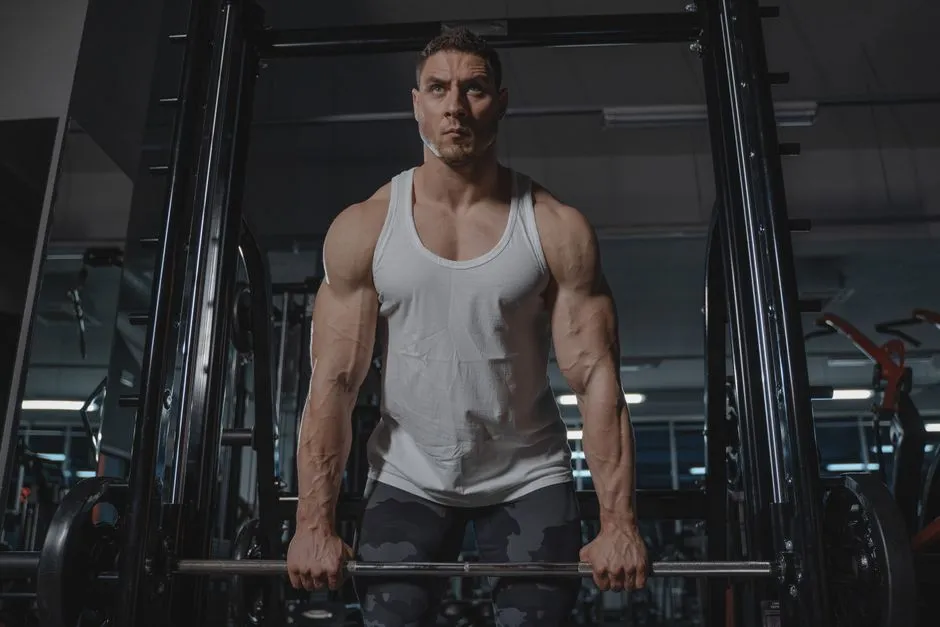
The push pull legs (PPL) split divides the body into three groups based on movement patterns. A "push" workout targets the chest, shoulders, and triceps. A "pull" workout focuses on the back and biceps. Finally, the "legs" workout covers the lower body, including the quadriceps, hamstrings, glutes, calves, and often the abdominals.
This classification uses "prime movers"—the muscles primarily responsible for moving a load. In a compound pushing movement like the barbell bench press, the chest is the primary mover, while the anterior deltoids and triceps assist in the lift. By grouping these muscles together, the PPL split works with the body's natural movement patterns to streamline training.
With these three workouts, trainees can hit every major muscle group in a short cycle. This provides a simple way to select exercises, as most movements fit into one of the three categories. Structuring training around these functions, similar to how athletes use strength training splits for peak athletic performance, also prevents overlapping muscle use across different days, allowing each group to recover fully.
The benefits of a PPL routine for hypertrophy
PPL Split for Hypertrophy
Pros
- +Efficient workout flow with overlapping warm-ups for compound and isolation lifts
- +Dedicated rest windows for non-targeted muscle groups to support recovery
- +Higher training volume needed for intermediate and advanced lifters to break plateaus
Cons
- −Requires higher recovery capacity than 3-day full-body routines
- −Suboptimal for complete beginners learning basic movement patterns
One benefit of the push pull legs split is its efficiency. Because related muscle groups are trained together, movements naturally overlap. For example, after heavy chest presses, the triceps and shoulders are already warmed up. Moving straight into shoulder presses or triceps extensions takes advantage of this, allowing for more intense work without needing extra warm-up sets later in the workout.
This grouping also helps with recovery. While the back and biceps are worked on a pull day, the chest, shoulders, and triceps can rest. Similarly, the upper body recovers during a leg session. This rotation gives muscles time to repair and grow, reducing the risk of overtraining compared to some body part splits.
Because of the volume and intensity involved, the PPL split is often best for intermediate and advanced trainees. Beginners usually do better with full-body routines three days a week to practice movement patterns. Once a lifter needs more stimulation to progress, PPL provides the volume needed to break through plateaus and drive muscle growth.
Structuring a four-day workout schedule
4-Day PPL Scheduling Guidelines
- Cap consecutive training days at two — Avoids training heavy resistance for more than two straight days
- Implement a structured weekly rest split — Train Mon/Tue, rest Wed, train Thu/Fri, and rest over the weekend
- Choose a rotating cycle or weak-point session — Use the 4th day to continue the PPL sequence or target delts and lats
- Retrain each muscle group every 4 to 5 days — Allows adequate time to synthesize protein and replenish glycogen stores
Fitting a three-workout sequence into a four-day week requires some planning to maintain frequency without sacrificing recovery. One common method is a rotating cycle. In this format, the trainee does four workouts per week, continuing the push, pull, legs sequence regardless of the calendar. Over time, the training days shift—a push workout might be on Monday one week and Tuesday the next. This ensures every muscle group is trained every four to five days, which is effective for experienced lifters.
Another option is a strict weekly cycle with one push day, one pull day, one leg day, and a fourth day for weak points or specific goals. Some use this fourth day as a "V-Taper Intensifier" session. This workout focuses on the shoulders and lats—using incline presses, lateral raises, and wide-grip pulldowns—to add upper body width without overtaxing the nervous system with heavy leg or chest lifts.
Regardless of the rotation, rest days are important for a four-day PPL schedule. Workouts should be spaced so that the trainee doesn't perform heavy resistance training for more than two consecutive days. A sustainable schedule might involve training Monday and Tuesday, resting Wednesday, training Thursday and Friday, and resting over the weekend. This gives the body time to synthesize protein and replenish glycogen stores before the next block of training.
Executing the push, pull, and legs workouts
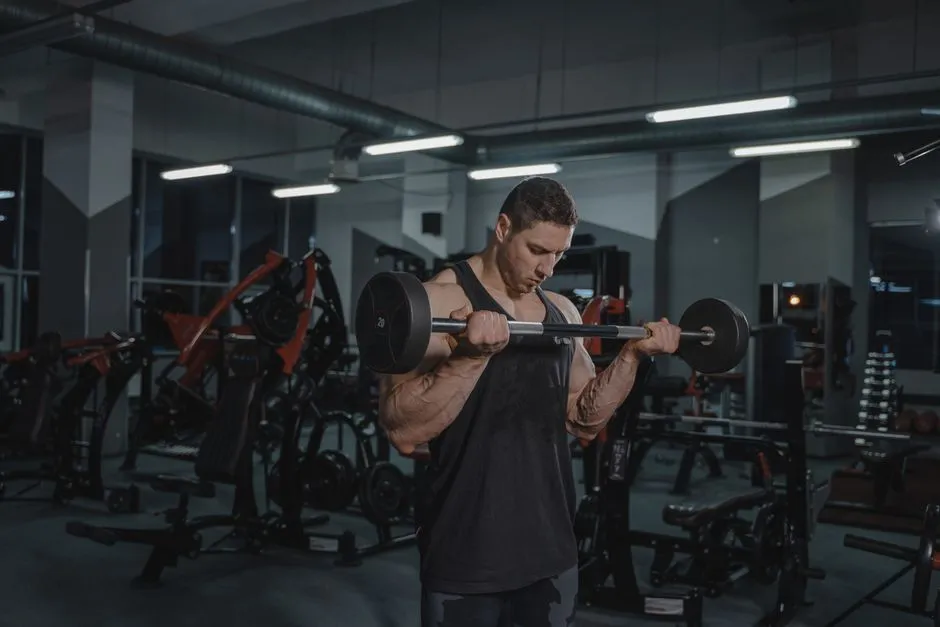
A well-designed Push day consists of heavy compound pressing movements followed by isolation work. A standard session typically starts with the bench press or incline dumbbell press, using a weight for 5 to 8 repetitions to create mechanical tension. After the compound lifts, the workout shifts to isolation exercises like dumbbell flyes, lateral raises, and triceps pressdowns, usually in the 10 to 15 rep range to increase metabolic stress. Rest periods are usually two minutes for heavy compounds and 90 seconds for isolation movements.
Pull day uses a similar approach for the posterior chain and biceps. The session prioritizes heavy rowing movements, such as bent-over barbell rows and one-arm dumbbell rows, alongside vertical pulls like weighted chin-ups or lat pulldowns. These exercises build back thickness and width. Since the biceps are already used during back exercises, they need less direct work. The workout ends with targeted bicep work, such as wide-grip barbell curls or hammer curls, in the 8 to 12 rep range.
Leg day targets the largest muscles in the body and is physically demanding. The workout centers on heavy compounds like squats and Romanian deadlifts in the 6 to 8 rep range. These are followed by machine-based movements like leg extensions and leg curls for the quadriceps and hamstrings. Calves are often trained with higher volume, using seated and standing calf raises for up to 15 reps. Throughout the PPL split, maintaining a controlled tempo—such as a 2/0/2 cadence—helps maximize time under tension for muscle growth.
References

Daily protein intake and macro ratios for lean muscle hypertrophy
Securing mobile endpoints running autonomous AI agents in corporate environments

Related Posts
HEALTHDaily protein intake and macro ratios for lean muscle hypertrophy
Discover the evidence-based guidelines for daily protein intake, optimal macronutrient ratios, and strategic timing required to maximize lean muscle hypertrophy.
 HEALTH
The biological link between stress, inflammation, and chronic pain management
An in-depth exploration of how psychological stress amplifies chronic pain through inflammatory pathways and how mindfulness techniques can alter these biological responses.

Popular Posts
Daily protein intake and macro ratios for lean muscle hypertrophy
Securing mobile endpoints running autonomous AI agents in corporate environments

Best practices for enterprise API security when integrating AI agent workflows