Explore how tangible assets like real estate, precious metals, and commodities serve as reliable hedges against monetary uncertainty and currency debasement.
Understanding the role of hard assets in monetary uncertainty
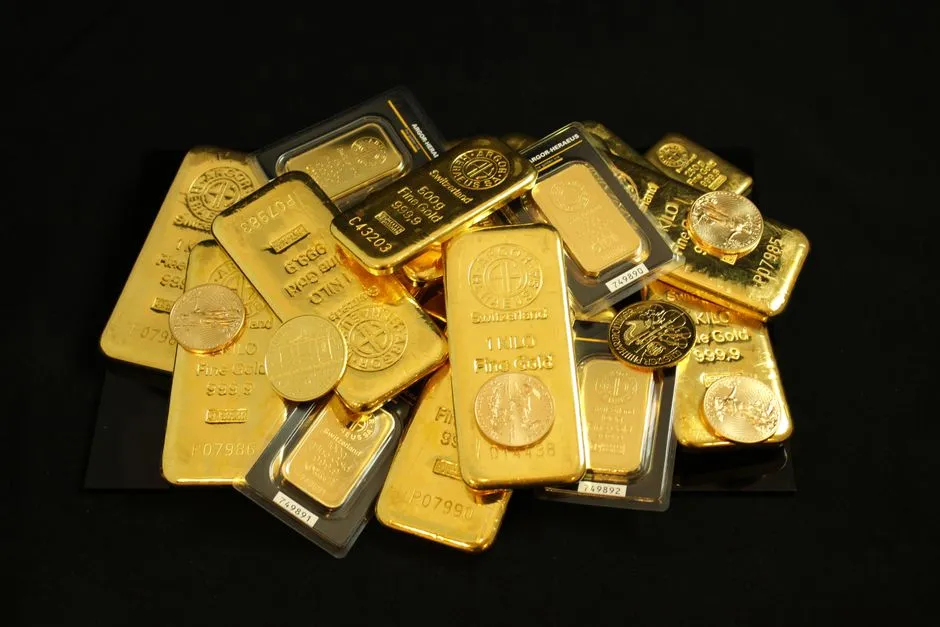
With monetary uncertainty and fluctuating financial markets, investors often seek refuge in tangible, physical assets. As concerns regarding currency decline, inflation, and global monetary imbalances grow, traditional financial instruments like stocks and bonds may fail to protect purchasing power. Hard assets—including real estate, precious metals, and physical commodities—provide stability based on intrinsic, physical value. Unlike digital transactions or paper currency, the worth of these assets does not rely solely on investor sentiment or the policy decisions of central banks.
Gold and real estate have long been safe havens for preserving wealth across generations. Gold is a universal currency and a symbol of wealth characterized by scarcity, durability, and a lack of counterparty liability, which is why many choose to weave gold into their personal savings plan. It is nobody's liability, making it a reliable shield when confidence in paper money wanes. Similarly, real estate is a foundation of wealth preservation, offering tangible stability during economic crises. Property provides utility through shelter and income, generally appreciating over the long term because people will always require places to live, work, and shop.
Integrating hard assets into a diversified portfolio adds antifragility and shields capital from the erosion of purchasing power. While traditional financial assets can experience rapid valuation swings during economic crises, tangible assets typically have a lower correlation with equity markets. This divergence reduces overall portfolio volatility and protects wealth against structural monetary shifts. By understanding the unique characteristics of each asset class, investors can strategically position themselves to withstand currency devaluation and high inflation.
Gold and real estate as dual pillars of wealth preservation
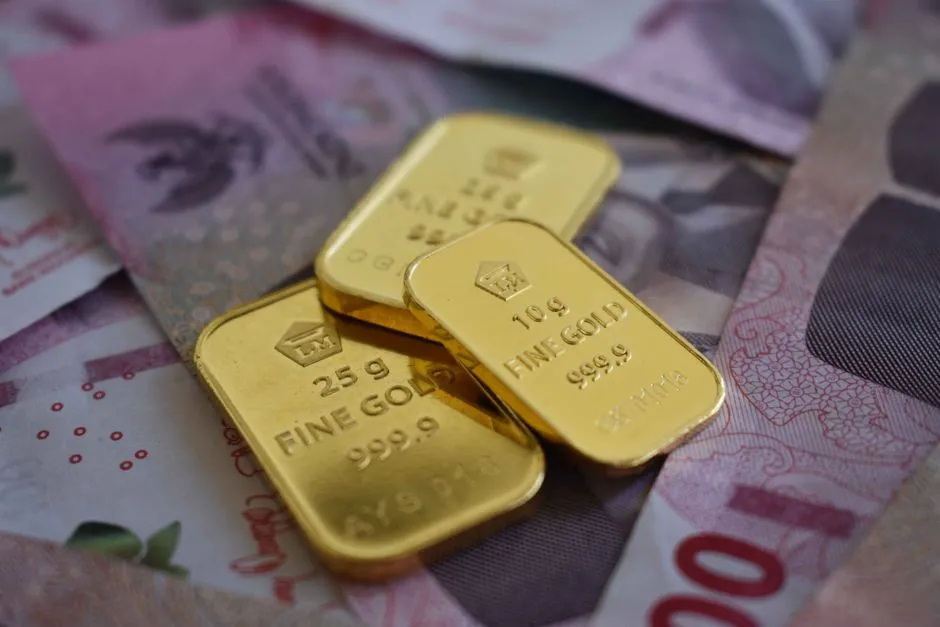
Gold and real estate play different but complementary roles in a wealth preservation strategy, each bringing unique strengths to a volatile economic environment. Gold is most effective during periods of panic, functioning as a portable, highly liquid store of value. When financial systems face stress or systemic risks materialize, gold prices often surge as market participants seek shelter from failing currencies. Gold is remarkably resilient to financial and economic crises, providing immediate protection when paper assets falter. Its appeal lies in its absolute scarcity and independence from any single government's fiscal health or monetary policy.
Real estate, on the other hand, provides solidity and utility through physical property and land. Unlike the swift liquidity of precious metals, high-quality real estate moves more gradually, showing less volatility and generating steady profit during economic turbulence. Properties such as commercial buildings, residential rentals, and raw land offer dual return mechanisms: potential long-term capital appreciation and consistent cash flow. Furthermore, international capital often flows toward real estate in politically stable regions during times of global instability to secure long-term growth and defensive positioning.
Combining these two assets creates a balanced defense against monetary erosion. While gold is an immediate monetary shield, real estate is an income-producing engine that adjusts alongside economic growth. As consumer prices rise, real estate values and rental income are tied to broader economic fundamentals, allowing property owners to maintain their purchasing power. Together, these pillars form a barrier against the systemic risks associated with declining currency values and shifting economic conditions.
Other types of tangible assets
Comparison of Alternative Tangible Asset Classes
| Asset Category | Primary Appeal | Key Risk / Consideration |
|---|---|---|
| Physical Commodities | Direct link to supply-demand dynamics; protects against equity downturns | Susceptible to geopolitical shocks and supply chain disruptions |
| Silver & Platinum | Dual function as inflation hedges and critical industrial materials | Higher volatility due to cyclical industrial demand |
| Collectibles & Luxury Assets | High rarity, prestige value, and low correlation with stock markets | Requires expert guidance; dependent on provenance and authenticity |
Beyond gold and real estate, other tangible assets include alternative investments, precious metals like silver and platinum, and physical commodities such as oil and agricultural products. Each category offers specific risk-and-return profiles that influence a long-term wealth strategy. Physical commodities, for instance, are directly linked to global supply and demand dynamics, which provides strong diversification and protection from equity downturns. However, they are also susceptible to geopolitical developments and supply chain disruptions, which can introduce short-term price volatility.
Other precious metals include silver, which holds a dual role as both a safe-haven metal and a critical industrial commodity. While silver provides an inflation hedge, its dependence on industrial sectors like electronics and solar energy makes its price behavior more volatile than gold. Similarly, collectibles and alternative assets—such as fine art, precious metal coins, luxury watches, and classic cars—derive their value from rarity and prestige. While these investments can deliver strong returns with low correlation to traditional stock markets, their valuation depends heavily on provenance and authenticity, requiring expert guidance to navigate.
Investing in hard assets requires careful consideration of practical factors such as storage, insurance, maintenance, and liquidity. Tangible assets are generally less liquid than stocks or bonds, meaning they cannot be instantly converted to cash. However, the trade-off for this reduced liquidity is portfolio stability and a proven defense against the long-term debasement of fiat currencies. By selecting the right mix of physical assets tailored to individual risk tolerance and long-term retirement planning, investors can effectively insulate their portfolios from monetary instability.
References

Practical personal safety lessons learned from true crime documentaries
Strategies for small business owners to manage rising supply chain costs

Related Posts
MONEYStrategies for small business owners to manage rising supply chain costs
Discover practical and proven strategies for small business owners to mitigate rising supply chain costs, improve operational efficiency, and protect margins.
 MONEY
MONEYHow to protect your personal savings against high inflation
Discover practical strategies to safeguard your personal savings, adjust your budget, and optimize your investments against the eroding effects of high inflation.