How realistic are brown diamond engagement rings compared to lab-created alternatives?
Explore the realism, characteristics, and value of natural brown diamond engagement rings versus lab-created alternatives to find the right stone for your budget.
Understanding brown diamond engagement rings
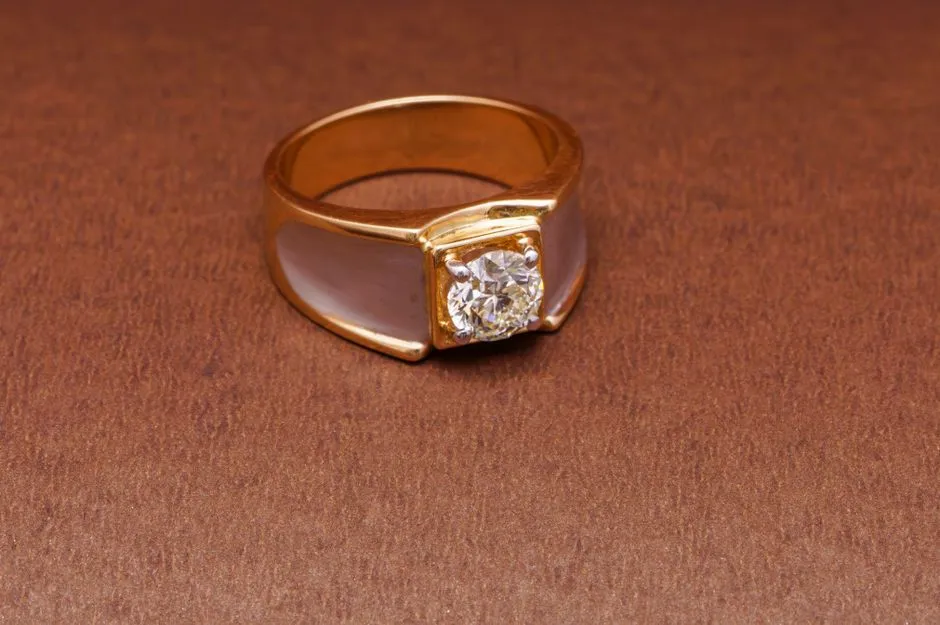
Brown diamonds, once known as commercial-grade stones, are now common in modern engagement rings. Often called chocolate, champagne, cognac, or coffee diamonds, these gems have an earthy look that differs from traditional colorless diamonds. About 15% of all diamonds mined are brown, making them more abundant and accessible than colorless stones. This means they offer a range of warm tones, from pale champagne with yellow undertones to deep cognac and reddish-brown chocolate.
The formation of natural brown diamonds is typically caused by plastic deformation. Under extreme heat and pressure, structural irregularities develop within the crystal lattice of the carbon atoms, which changes how light passes through the stone and creates a warm tone. While white diamonds are graded on a lack of color, natural brown diamonds are valued for this spectrum of hues. Celebrity choices, like Scarlett Johansson's light brown engagement ring, have helped bring these stones into the mainstream, showing that non-traditional colors can work for both red carpet and everyday wear.
When evaluating a natural brown diamond for an engagement ring, the traditional 4Cs—cut, color, clarity, and carat—still apply, though they function differently than they do with white diamonds. Higher clarity grades are important for a clear appearance, as heavy internal inclusions can dull the stone's brilliance. However, some buyers prefer included or deeply saturated stones for their distinct character. Because natural brown diamonds are more common than colorless varieties, they are a more affordable option for couples wondering if brown diamond jewelry is worth the price compared to rare white stones.
The reality of lab-created alternatives
10 / 10
Mohs hardness scale rating
100%
Carbon crystal lattice structure
Weeks
Cultivation time via HPHT or CVD
Lab-grown diamonds have revolutionized the jewelry market, accounting for a massive share of engagement ring purchases. These stones are real diamonds in every sense of the word, consisting of 100% carbon atoms arranged in the same crystal lattice and registering a 10 out of 10 on the Mohs hardness scale. The primary distinction lies in their origin: rather than forming over billions of years beneath the earth's surface, lab-grown diamonds are cultivated in controlled laboratory settings over a matter of weeks using either High Pressure High Temperature (HPHT) or Chemical Vapor Deposition (CVD) technology.
High-quality lab-created diamonds are indistinguishable from natural diamonds to the naked eye. They have the same refractive index, brilliance, fire, and durability as mined stones. Professional jewelers usually need advanced magnification and spectroscopic equipment to see the difference, such as detecting the absence of nitrogen in most lab-grown specimens. The Federal Trade Commission recognizes lab-grown stones as real diamonds, as their physical, chemical, and optical properties match natural diamonds.
Lab-grown technology also applies to colored diamonds, including brown, yellow, blue, and red options. Laboratories can control growth conditions or introduce trace elements to create specific colors. This allows couples who want a cognac or champagne diamond to find lab-created versions that match their preferred hue, clarity, and cut, often with more consistency than what is found in natural stone inventories.
Comparing natural and lab-grown brown diamonds
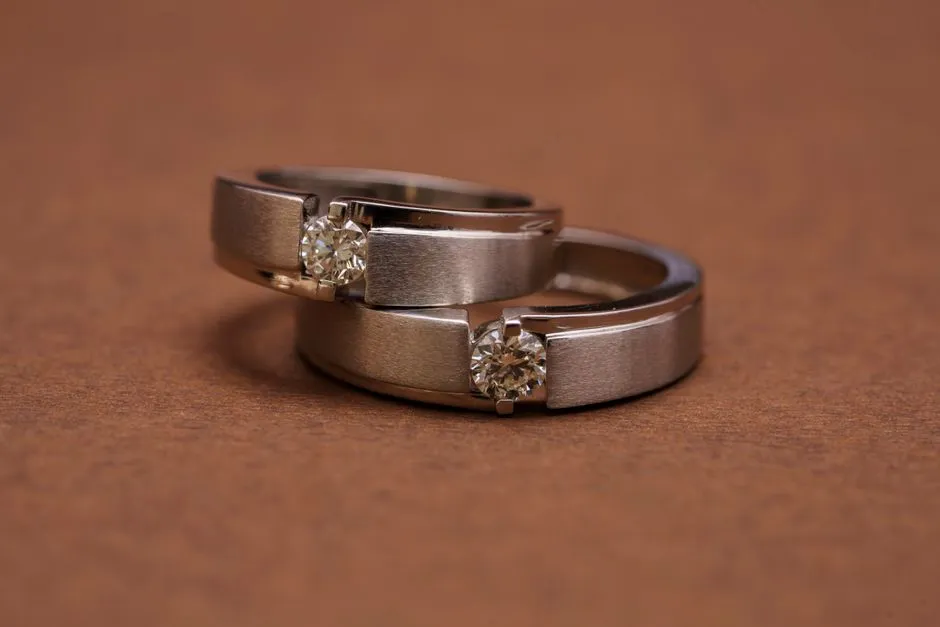
When comparing natural brown diamond engagement rings to lab-created ones, cost and value are the primary factors. Natural brown diamonds are more affordable than colorless white diamonds, but lab-grown diamonds are cheaper still, typically costing 70% to 90% less than mined diamonds of equivalent quality. This price difference allows couples to choose larger or higher-clarity center stones—such as moving from a 1.5-carat natural stone to a 2.0-carat lab-grown alternative—while staying within their budget.
Consistency and grading also differ. Natural brown diamonds have unique internal inclusions and growth histories, meaning every mined stone is different. In contrast, lab-grown diamonds are produced in controlled environments, resulting in consistent chemical purity and optical clarity. Grading systems for lab-grown stones often reflect this, as the production process minimizes wide-ranging imperfections. For buyers who prefer a flawless appearance over a geological origin story, lab-created brown diamonds are a reliable choice.
Ethical, environmental, and resale considerations often influence the final decision. Many millennials and Gen Z buyers prefer lab-grown options to avoid the environmental and labor concerns linked to mining. While natural diamonds retain a resale value of roughly 25% to 50%, lab-grown stones have very little resale worth. However, since most engagement ring buyers view the ring as a lifelong symbol rather than an investment, the upfront savings of a lab-created brown diamond make it a practical choice.
References
Caring for brown diamond jewelry to prevent scratches and maintain sparkle
Is brown diamond jewelry worth the price in 2024?
Related Posts
 SHOPPING
Comparison of 2025 heavy luxury car categories featuring the new Jaguar reveal
An in-depth look at the 2025 heavy luxury and exotic car market, highlighting top-tier models and the strategic brand relaunch of Jaguar into the ultra-luxury EV segment.
 SHOPPING
Is an electric SUV worth buying compared to an electric sedan?
Compare the efficiency, range, performance, and everyday utility of electric sport utility vehicles versus electric sedans to determine which is best for your driving needs.


