How to adjust your circadian rhythm for the spring daylight saving time transition
Learn evidence-based strategies to reset your internal clock, minimize sleep disruption, and protect your health during the spring transition to daylight saving time.
Understanding the spring transition
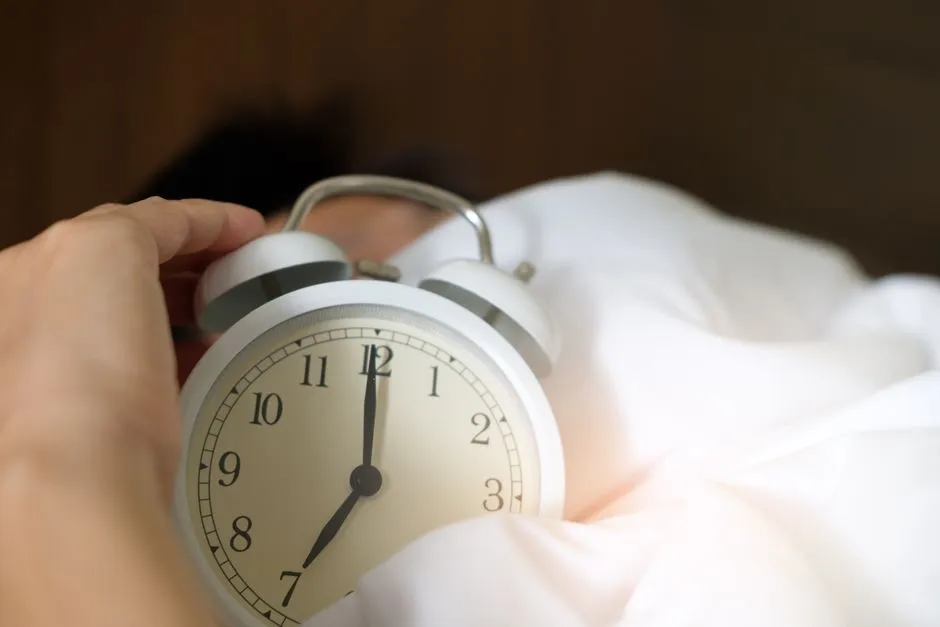
In the United States, daylight saving time begins on the second Sunday in March, requiring clocks to spring forward by one hour at 2:00 a.m. local time. While a 60-minute adjustment may seem minor, it eliminates an hour from the night and alters regular patterns of daylight exposure. This shift creates a misalignment between external social time and the body’s internal biological timekeeping system.
This misalignment results in a physiological state similar to jet lag, despite the absence of physical travel. The circadian rhythm—the internal biological clock that regulates sleep, hormone release, and daytime alertness—relies on consistent environmental cues to function properly. When the clock on the wall suddenly demands wakefulness an hour earlier than the body is prepared for, people often experience morning grogginess and an inability to fall asleep at their normal evening hour.
Certain demographic groups experience this disruption more acutely than others. Children, teenagers, and those who work early-morning shifts are often more affected by the time change. Adolescent brains, for instance, are naturally wired to fall asleep and wake up later than adult brains, meaning the forced earlier start to the day conflicts with their biological development. This frequently leads to morning fatigue and reduced attention spans, which can cause behavioral issues in educational settings during the weeks following the transition.
The biological and health impacts of losing an hour
The body’s primary timekeeper is a tiny cluster of cells located deep within the brain known as the suprachiasmatic nucleus (SCN). The SCN is the master biological clock, triggered by the light absorbed through the eyes. When the spring transition occurs, the sudden shift in light exposure confuses the SCN, disrupting its countdown to the evening release of melatonin, the hormone that helps the body prepare for sleep.
Because of this disruption, the transition to daylight saving time is associated with several acute physical health risks. Medical research demonstrates a short-term increase in hospital admissions in the days immediately following the spring forward event. Notably, data points to a rise in the incidence of heart attacks and strokes, as sleep loss triggers elevated blood pressure, inflammation, and stress hormones that place sudden strain on the cardiovascular system.
Beyond physical ailments, the forced shift impairs cognitive function and emotional regulation. Sleep deprivation degrades the brain's ability to manage stress, leading to a temporary increase in irritability, anxiety, and poor decision-making. These cognitive deficits have practical consequences, including a documented surge in traffic accidents and emergency room visits as fatigued drivers navigate darker Monday morning commutes with slower reaction times.
Pre-transition strategies to shift your internal clock
Gradual Pre-Transition Routine
1. Shift Sleep and Wake Times
Go to bed and wake up 15 to 20 minutes earlier each day starting 3 to 7 days before the change.
2. Advance Daily Routines
Move the timing of meals and physical exercise forward in 15-to-20-minute increments.
3. Adjust Evening Lighting
Dim household lights after 8:00 p.m. and minimize screen time to protect natural melatonin production.
4. Update Clocks on Saturday Night
Set household clocks and electronic devices ahead before going to bed to establish psychological readiness.
Sleep experts recommend preparing for daylight saving time by gradually shifting your schedule in the days leading up to the change according to tips from an FIU sleep expert. Starting three to seven days prior to the second Sunday in March, individuals should aim to go to bed and wake up 15 to 20 minutes earlier each day. This incremental approach allows the body to adjust to the new time, reducing the impact when the clocks officially change.
To ensure the gradual shift is effective, it is helpful to adjust other daily routines alongside sleep times. The timing of meals and exercise should also be moved forward in 15-to-20-minute increments. Furthermore, focusing on high-quality rest in the week prior helps build a "sleep bank," minimizing existing sleep debt so that the loss of an hour has less of an impact on cognitive and motor skills.
Adjusting your environment in the evening provides further support during this pre-transition period. Dimming household lights after 8:00 p.m. and minimizing screen time prevents artificial light from suppressing natural melatonin production. Incorporating relaxation techniques, such as mindfulness meditation and deep breathing, can calm the nervous system and facilitate an earlier onset of sleep. Finally, changing household clocks and electronic devices before going to bed on Saturday night helps establish a psychological adjustment upon waking on Sunday.
The role of morning light and exercise

Because light is the central driver of the circadian rhythm, prioritizing immediate daylight exposure is an effective recovery tool. Stepping outside within 30 minutes of waking up signals to the brain’s master clock (the SCN) that it is time to be alert. Natural morning sunlight is more effective than artificial indoor lighting—and even morning caffeine—at jump-starting daytime wakefulness and anchoring the new biological schedule.
While light controls the master clock in the brain, physical movement is a primary cue for the body's peripheral clocks. These localized timekeepers are found in almost every cell, including the muscles, lungs, and kidneys. Engaging in physical activity during the early morning hours signals to these peripheral clocks that the day has begun, prompting them to activate the genes necessary for daily organ function and metabolism.
Research indicates that combining these two cues—morning sunlight and early exercise—produces a larger and faster shift in internal clock timing than using either method alone to help your body adjust. Going for an outdoor walk or jog roughly one hour after waking synchronizes the master clock in the brain with the peripheral clocks in the body. Additionally, exercise naturally causes the pupils to dilate, allowing the eyes to capture more sunlight and helping the circadian reset.
Navigating the first week on the new schedule
First-Week Adaptation Checklist
- Maintain a consistent wake-up time — Wake up at the same hour every day, including weekends
- Stop caffeine consumption early — Halt caffeine at least 8 hours prior to bedtime
- Cap daytime naps at 20 minutes — Preserves nighttime sleep pressure for restorative sleep
- Reschedule demanding tasks — Reserve mornings for routine work and late mornings or afternoons for focus-heavy tasks
- Allow extra commuting time — Plan for longer travel times on Monday due to fatigue and heavier traffic
During the first week of daylight saving time, maintaining consistency in daily routines is important for complete physiological adaptation. Individuals should keep a uniform wake-up time every day, including weekends, to avoid confusing a recovering internal clock. To protect nighttime sleep pressure, caffeine consumption should be halted at least eight hours prior to bedtime, and any daytime naps should be limited to 20 minutes or less.
Adjusting workplace and academic expectations can lessen the cognitive slump that follows the time change. Because peak alertness shifts later in the day during this adjustment period, individuals should temporarily reorganize their schedules using effective time management techniques to align with their internal clock. Routine or administrative tasks should be reserved for the morning hours, while demanding, focus-heavy work and critical decision-making are best scheduled for the late morning or early afternoon.
Finally, individuals should practice patience and caution, recognizing that the human body typically requires five to seven days to fully recalibrate to a one-hour shift. Employers and educators should be patient with groggy adults and distracted students. Moreover, commuters should plan for extra travel time, especially on the Monday immediately following the clock change, to account for heavier traffic, slower reaction times, and the higher risk of traffic accidents.
References

The best bedtime snacks and meal timing to prevent time change fatigue
How to prep party finger foods ahead of time without them getting soggy

Related Posts
 HEALTH
The biological link between stress, inflammation, and chronic pain management
An in-depth exploration of how psychological stress amplifies chronic pain through inflammatory pathways and how mindfulness techniques can alter these biological responses.
 HEALTH
Best anti-inflammatory foods and healing nutrients to speed up joint and tendon recovery
Discover how targeted anti-inflammatory foods and essential nutrients support joint and tendon recovery, reduce chronic swelling, and accelerate tissue healing.

Popular Posts

A step-by-step guide to managing the film casting process for independent movies
The biological link between stress, inflammation, and chronic pain management
Best anti-inflammatory foods and healing nutrients to speed up joint and tendon recovery