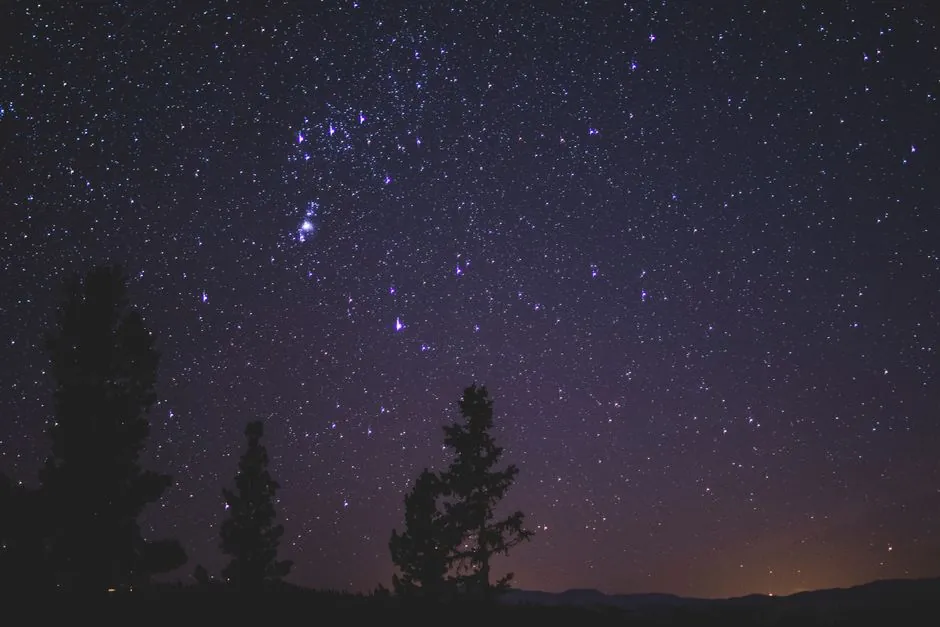
We've all heard the stories, but is there any truth to the idea that a full moon disrupts our sleep? We dive into the science behind the lunar cycle and its surprising connection to our circadian rhythms.
It’s 2 a.m. You’re staring at the ceiling, your mind racing, and sleep feels like a distant, unattainable dream. You’ve tried everything—counting sheep, deep breathing, a warm glass of milk—but you’re still wide awake. You glance out the window, and there it is: a brilliant, full moon hanging in the sky like a celestial spotlight. You can’t help but wonder, "Is the moon really to blame for this?"
For centuries, folklore and anecdotal tales have linked the full moon to everything from madness to werewolves, and more commonly, to a bad night's sleep. It’s a story many of us have told ourselves. For a long time, this idea was dismissed by science as mere superstition, a classic case of confirmation bias where we only notice the moon when we can't sleep. But what if there’s more to it?
Honestly, I was on the fence myself. It sounds a bit like pseudoscience, doesn't it? But as it turns out, a growing body of research is starting to suggest that our ancient ancestors, and perhaps we, are more connected to the lunar cycle than we thought. The link between the moon and our sleep might not just be in our heads.
The Science of Our Inner Clock
Before we dive into the moon's role, let's quickly talk about our body's master timekeeper: the circadian rhythm. This is the 24-hour internal clock that runs in the background of your brain, cycling between sleepiness and alertness at regular intervals. It's also known as your sleep/wake cycle. This rhythm is primarily influenced by light and darkness, signaling to your body when it's time to be awake and when it's time to rest.
This internal clock controls the release of melatonin, the hormone that makes you feel sleepy. When it gets dark, your body produces more melatonin, and when you're exposed to light, production slows down. This is why looking at your phone screen late at night can make it harder to fall asleep—the blue light tricks your brain into thinking it's still daytime.
So, where does the moon fit into this finely tuned system? It’s a source of light, albeit a much gentler one than the sun or our screens. But could it be enough to throw a wrench in the works?
More Than Just Moonlight: The Lunar Connection
For years, the idea of a "lunar effect" on sleep was a fringe concept. Then, in 2013, a study led by Swiss researcher Christian Cajochen provided some of the first compelling, objective evidence. His team analyzed the sleep of volunteers in a controlled lab environment, without any windows or clocks. They found that around the full moon, participants took about five minutes longer to fall asleep, slept for 20 minutes less overall, and experienced a 30% reduction in deep sleep. Crucially, their melatonin levels were also lower.
This was a big deal. Since the participants couldn't see the moon, the effect couldn't be blamed on its brightness. It suggested the existence of an internal "circalunar" clock, a biological rhythm tied to the moon's cycle, much like the circadian rhythm is tied to the sun.
More recent studies have built on this. A 2021 study published in Science Advances looked at sleep patterns in diverse settings, from rural indigenous communities in Argentina with no electricity to college students in Seattle, one of America's most light-polluted cities. The results were fascinating. In the three to five days leading up to a full moon, people in all communities went to bed later and slept for shorter periods. The effect was more pronounced in areas without electricity, but it was still present in the urban dwellers, suggesting this isn't just about moonlight.

So, What's Really Going On?
If it's not just the light from the moon, what else could be influencing our sleep? Scientists are exploring a few fascinating theories, and the truth is likely a combination of factors.
One of the most intriguing ideas is the influence of the moon's gravitational pull. We know the moon's gravity is powerful enough to move entire oceans, creating the tides. Is it so far-fetched to think it could have a subtle effect on the water within our own bodies? While this is still a developing area of research, some scientists propose that these gravitational shifts could be a signal for our internal circalunar clock. It’s a wild thought, but it could explain why the effects are seen even when the moon isn't visible.
Another theory circles back to our evolutionary past. For our ancestors, the bright light of a full moon was a resource. It extended the day, providing more time for hunting, gathering, and social activities. It also made the night more dangerous by making it easier for predators to spot them. It's possible that we've inherited a biological predisposition to be more alert and sleep less during this time. Our modern, light-saturated world may have dampened this instinct, but it hasn't erased it entirely.
How to Sleep Better During a Full Moon
Regardless of the exact cause, the experience of poor sleep during a full moon is real for many people. So, what can you do about it? While you can't exactly dim the moon, you can take steps to fortify your sleep hygiene.
First, control your light environment. Invest in good blackout curtains to make your bedroom as dark as possible. This helps your body's natural melatonin production by blocking out not just the moonlight, but also streetlights and other sources of light pollution. An eye mask can also be a simple but incredibly effective tool.
Second, stick to a consistent sleep schedule. Going to bed and waking up at the same time every day, even on weekends, helps to regulate your circadian rhythm. This makes your internal clock more robust and less susceptible to disruption, whether from the moon or a late-night Netflix binge.
Finally, create a relaxing bedtime routine. About an hour before you plan to sleep, put away your screens. The blue light from phones, tablets, and computers is a major disruptor of melatonin production. Instead, try reading a book (a real one!), taking a warm bath, or listening to calming music. These activities signal to your body that it's time to wind down, making the transition to sleep smoother.
It’s comforting, in a way, to think that we still have this ancient connection to the natural world, a rhythm that ties us to the cycles of the moon. While it might mean a few restless nights, it’s also a beautiful reminder that we are part of something much larger than ourselves.
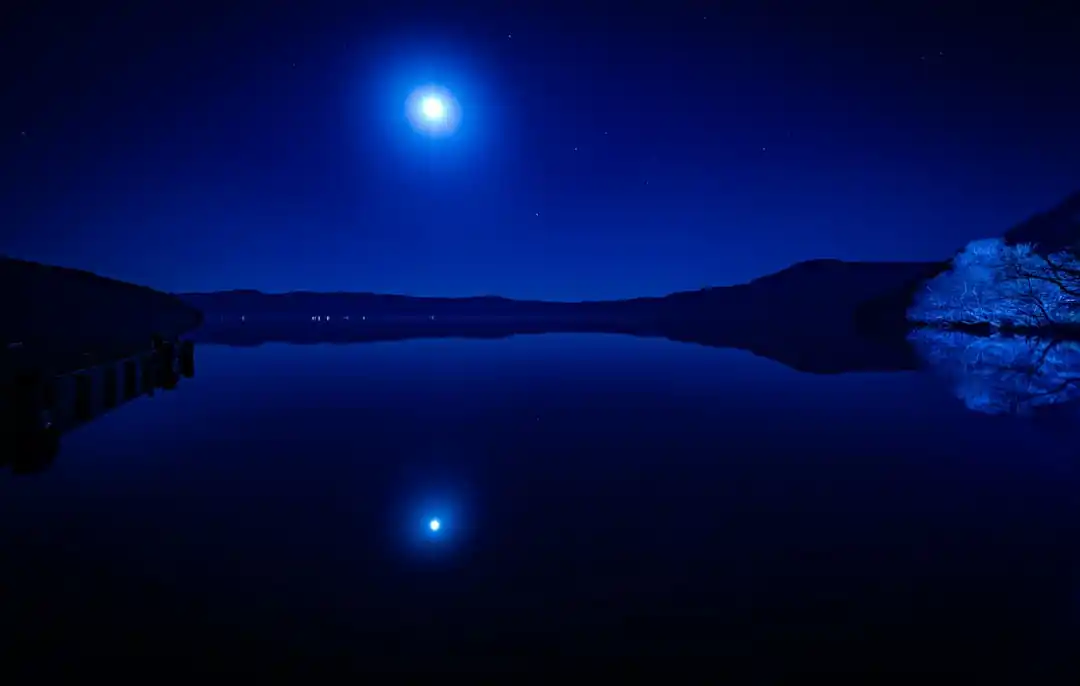
Catching Moonlight in a Jar: A Simple Guide to Making and Using Moon Water
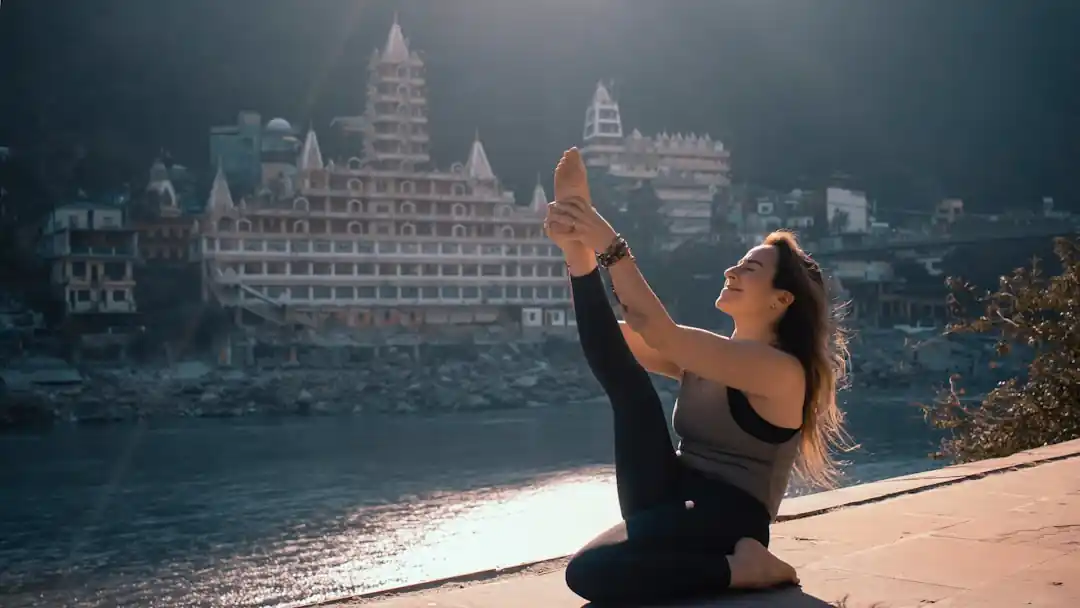
Unlocking Serenity: The Quiet Power of a Moon Salutation Yoga Flow
Related Posts
 NUTRITION
The Simple Pre-Workout Fueling Strategy That Saved My Long Runs
Discover how timing your carbohydrates and embracing simple foods can eliminate mid-workout fatigue and unlock your true endurance potential.
 FITNESS
No Gym, No Problem: The Ultimate Guide to Bodyweight Fitness at Home
Forget expensive memberships. Discover how to build serious strength and transform your body using the most powerful tool you already own: yourself.

Popular Posts

Rethinking Non-Profit Promotion: Creative Strategies That Actually Drive Event Impact

How to Actually Master a New Language on Your Own (No Magic Gene Required)
The Simple Pre-Workout Fueling Strategy That Saved My Long Runs