The best bedtime snacks and meal timing to prevent time change fatigue
Discover how strategic bedtime snacking and proper meal timing can help regulate your circadian rhythm and combat time change fatigue.
Understanding time change fatigue and circadian rhythms
Time change fatigue, whether caused by adjusting to daylight saving time or traveling across multiple time zones, occurs when the body's internal clock falls out of sync with the external environment. This misalignment can lead to prolonged exhaustion, difficulty concentrating, and a frustrating inability to fall asleep at the desired time. To combat this fatigue, it is important to support the body's natural circadian rhythm, and nutrition helps anchor this biological timekeeping system.
Dietary choices can either reinforce or disrupt the body's internal clock. Highly processed foods and sweets that are high in sugar cause rapid spikes in blood glucose levels, followed by steep crashes. These dramatic blood sugar fluctuations can severely disrupt the body's circadian rhythms. This prevents the transition into deep, restorative sleep phases and worsens the exhaustion associated with time changes.
On the other hand, some nutrients directly help regulate biological clocks. Magnesium, for example, is thought to be fundamental to the timekeeping systems of humans, animals, and even plants. By avoiding sleep-disrupting foods and using nutrients that stabilize blood sugar and support internal timekeeping, people can reduce the physical stress of a shifted sleep schedule and recover from time change fatigue more efficiently.
Essential nutrients that promote restful sleep
Tryptophan and calcium are foundational building blocks for a healthy sleep cycle. Tryptophan is an amino acid that plays a key role in the production of serotonin, a neurotransmitter that helps regulate mood and sleep. Serotonin is subsequently used by the body to synthesize melatonin, the primary hormone responsible for signaling that it is time to sleep. Calcium is a vital supporting mineral in this process, as it helps the brain utilize tryptophan to produce melatonin efficiently.
Magnesium is another key nutrient that is a natural relaxant for the body. It has a calming effect on the nervous system and helps to ease muscle tension, which creates the physical conditions necessary for restful sleep. Because magnesium also supports the biological timekeeping system, ensuring adequate intake is especially important when attempting to adjust a disrupted circadian rhythm.
Besides supporting the body's own production of sleep hormones, eating foods with natural melatonin can provide an external cue for sleep. When time change fatigue hits and natural melatonin production is delayed, dietary sources can help. Combining these nutrients into a balanced evening routine signals to the brain and body that it is time to wind down, regardless of the new time on the clock.
The best bedtime snacks to regulate your sleep cycle

Tart cherry juice and kiwis are good options for promoting sleep through diet. Tart cherries, particularly the Montmorency variety, are naturally rich in melatonin and anti-inflammatory polyphenols. Research has shown that drinking a tart cherry juice blend can help people spend less time awake after initially falling asleep. Similarly, kiwis offer proven sleep-inducing properties; in one study, adults who ate two kiwis an hour before bedtime fell asleep faster, slept longer, and experienced better overall sleep quality.
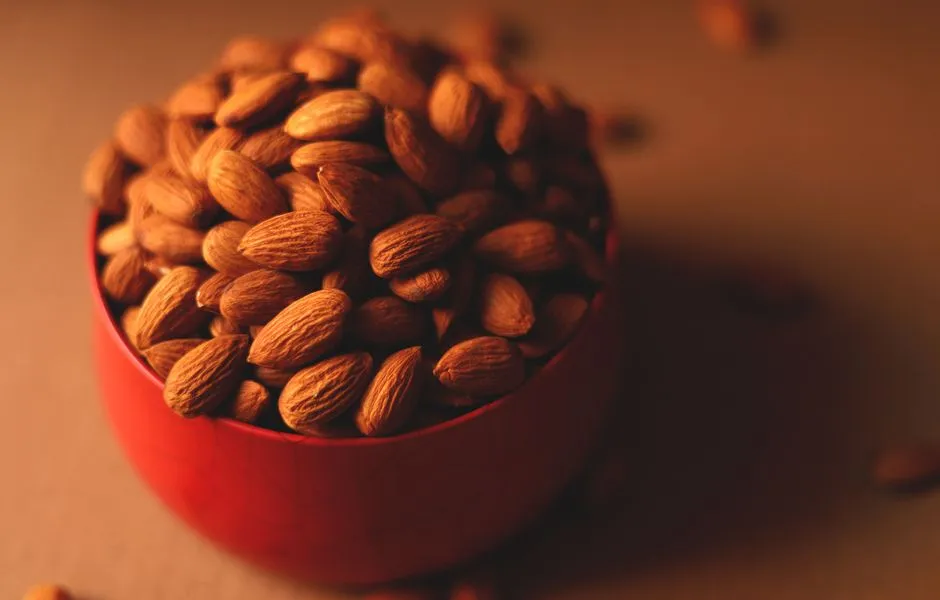
Nuts and seeds provide a good mix of magnesium, potassium, and tryptophan. Pistachios contain the most melatonin of any nut, while cashews and walnuts have high levels of magnesium and potassium. Pumpkin and sesame seeds are rich in tryptophan and can be sprinkled over other foods for a satisfying crunch. Unsalted options are best, as high-sodium diets are linked to poorer sleep and can make fighting time change fatigue harder.
Dairy products and whole grains provide comforting, nutrient-dense options that keep blood sugar stable. A small bowl of oatmeal contains magnesium and natural melatonin, while cottage cheese and plain yogurt are excellent sources of calcium and filling protein. Yogurt also has gamma-aminobutyric acid (GABA), a key neurotransmitter that helps calm the nervous system. The ideal bedtime snack should sit in the 150 to 200-calorie range and should balance protein and complex carbohydrates to keep the body satisfied without overloading the digestive system.
Strategic meal timing to optimize rest
Evening Meal Timing Guidelines
- •Eat late-night snacks 1 to 2 hours before bed to allow adequate digestion and avoid heartburn.
- •Avoid eating immediately before sleeping to prevent active energy processing from disrupting deep sleep.
- •Do not go to bed completely hungry to prevent blood sugar crashes and middle-of-the-night awakenings.
- •Adjust window based on personal needs: 30 minutes before sleep for protein recovery, or over 2 hours for acid reflux prevention.
Selecting the right foods is only part of the process; the timing of your evening snack is also important for preventing time change fatigue. It is generally recommended that the optimal window for late-night snacking is one to two hours before getting into bed. This timeframe gives the body adequate time to break down the food before lying down, which prevents both digestive distress and the onset of sleep-disrupting heartburn.
Eating within this specific window also helps to maintain steady blood sugar levels throughout the night. If a snack is consumed too close to bedtime, the body may still be actively processing the energy, which leads to a restless and superficial sleep. On the other hand, going to bed completely hungry can cause middle-of-the-night awakenings. A properly timed, nutrient-rich snack helps by stabilizing blood glucose and preventing the crashes that disrupt deep sleep.
Individual physiological needs should ultimately dictate the exact timing of evening nutrition. For example, athletes aiming to build muscle might benefit from drinking a low-calorie whey or casein protein smoothie 30 minutes before sleep. Conversely, individuals who are prone to acid reflux or who have specific blood sugar management needs may require a fasting window that extends well beyond two hours. Establishing a consistent, well-timed evening eating routine reinforces the body's circadian cues, which makes it easier to adapt to new schedules and overcome time change fatigue.
References

Dietary strategies to stabilize mood and energy during early recovery
How to adjust your circadian rhythm for the spring daylight saving time transition
Related Posts
 HEALTH
The biological link between stress, inflammation, and chronic pain management
An in-depth exploration of how psychological stress amplifies chronic pain through inflammatory pathways and how mindfulness techniques can alter these biological responses.
 HEALTH
Best anti-inflammatory foods and healing nutrients to speed up joint and tendon recovery
Discover how targeted anti-inflammatory foods and essential nutrients support joint and tendon recovery, reduce chronic swelling, and accelerate tissue healing.
Popular Posts

A step-by-step guide to managing the film casting process for independent movies
The biological link between stress, inflammation, and chronic pain management
Best anti-inflammatory foods and healing nutrients to speed up joint and tendon recovery