An analysis of how 5G technology enhances streaming video quality, reduces latency, and transforms cloud-based mobile gaming experiences.
The intersection of 5G and mobile cloud gaming
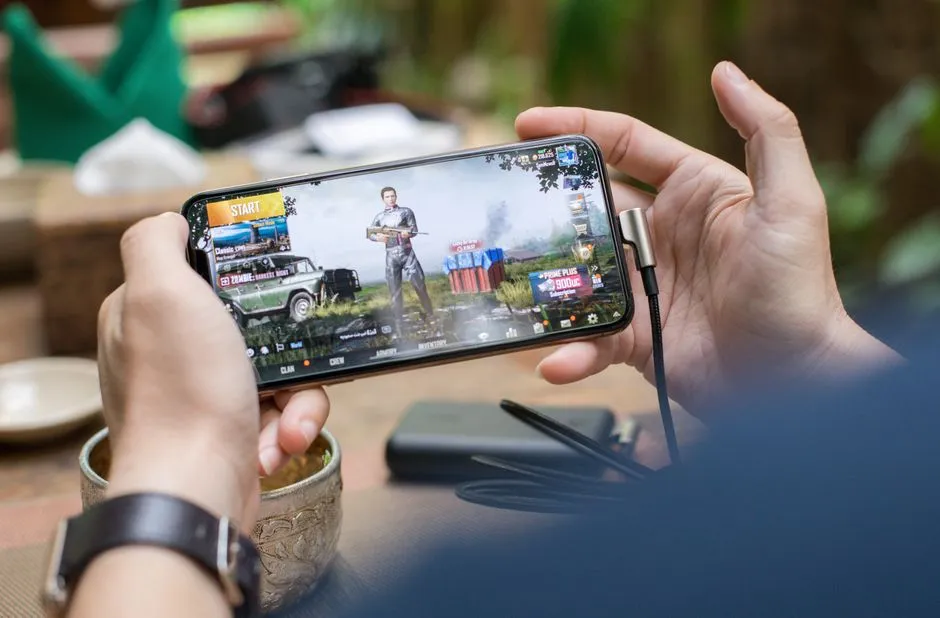
The gaming industry is undergoing a significant transformation with the rise of 5th Generation (5G) technology, particularly in the realm of cloud gaming. By providing faster data transfer speeds and lower latency, 5G enhances the ability of players to enjoy high-quality games streamed directly from remote servers without needing powerful local hardware. This combination of 5G and cloud gaming is reshaping accessibility, performance, and the overall interactive entertainment experience.
Cloud gaming allows players to stream video games over the internet instead of running them locally on a console, PC, or high-end mobile device. In this model, games are processed on remote servers, which send a video feed to the player’s device. Meanwhile, inputs—such as button presses, directional gestures, and touch commands—are transmitted back to the server in real time. This removes the need for expensive hardware, making resource-intensive titles accessible to users with standard smartphones, tablets, or low-spec computers.
Cloud gaming concepts have existed for years, but legacy network infrastructure often limited them. Older mobile networks struggled with the data throughput and low delay needed to stream high-definition video and register instant player inputs. 5G addresses these issues by bringing mobile wireless speeds closer to landline broadband, moving cloud gaming toward a mainstream delivery model.
Core network advancements: speed, bandwidth, and latency
Up to 20 Gbps
Theoretical peak speed
≤ 1 ms
Target network latency
100x
Traffic capacity increase
5G focuses on expanding bandwidth and data transmission rates. Industry analyses show 5G has a theoretical peak speed of up to 20 Gbps, roughly twenty times the 1 Gbps peak of 4G networks. This increase allows users to download large files and stream high-definition content in seconds. For cloud gaming, this bandwidth helps deliver high-resolution video streams without stuttering or packet loss.
5G also reduces latency, a common problem for real-time interactive video. While human reaction time is generally over 200 milliseconds, 5G networks can send and receive information in one millisecond or less. In cloud gaming, single-digit millisecond delays matter because input lag affects competitive performance and immersion. By lowering latency, 5G makes cloud-streamed games feel as responsive as those running on local hardware.
5G networks also support a higher density of connected devices per square mile, designed to handle a hundredfold increase in traffic compared to older generations. This means more players can have stable, high-bandwidth experiences in crowded areas like convention centers. Along with improved battery efficiency, 5G provides the foundation for modern mobile applications.
Elevating video quality and the quality of experience (QoE)
Integrating 5G into mobile gaming allows for higher-definition content. With higher bit rates and bandwidth, 5G makes it possible to stream 4K and 8K video directly to mobile screens. This results in sharper textures and clearer audio, allowing mobile devices to display graphics previously limited to high-end monitors and televisions.
This capacity changes how video applications manage performance and Quality of Experience (QoE). 5G environments allow for bitrate shaping and dynamic session management at the network edge. When network conditions fluctuate, 5G-enabled applications can adapt streams to avoid significant drops in frame rates. For gamers, this means a smoother visual experience without buffering or sudden resolution drops, even when moving between cell towers or through areas with poor coverage.
High-quality video also depends on Content Delivery Networks (CDNs) within the 5G infrastructure. As faster connections increase the number of simultaneous video requests, CDNs act as buffers for API hosting, edge computing, and video delivery. They handle high volumes of traffic, allowing remote servers to send high-bitrate streams to millions of users without bottlenecks.
Impact on game design and market accessibility
5G-powered cloud gaming removes local hardware bottlenecks, which influences how developers approach game design. Previously, developers were limited by the processing power, heat, and battery of the user's device. Because 5G shifts the computational load to remote servers, developers can now create larger, more complex virtual worlds that run on industrial hardware.
This shift allows for several advancements. Developers can use ray-tracing and complex physics engines on low-spec phones. Cloud-based games can also feature larger, dynamically updating environments that don't require massive downloads or local storage. Additionally, cloud gaming enables cross-platform play, letting mobile, console, and PC gamers share the same virtual environment.
Combining 5G and cloud gaming makes interactive entertainment more accessible. Players no longer need expensive consoles or GPUs to play current titles; a smartphone and a 5G connection are enough. This opens up gaming to more people globally, especially in regions where hardware is expensive or hard to find.
References
Meta's AI agent strategy: How Mark Zuckerberg's focus reshapes platform features
Best 5G smartphones with optimal battery life and signal strength

Related Posts
TECHTop upcoming smartphone features powered by Meta's advanced AI agent technology
Explore how Meta's advanced AI agent technology, including Muse, is transforming mobile experiences, wearable integrations, and proactive personal intelligence.
 TECH
TECHWhat Meta’s push for integrated AI agents means for social media apps
Meta is reshaping its social media ecosystem around Muse, an integrated AI agent designed to automate daily tasks and shift user habits away from traditional feeds.

Popular Posts
Top upcoming smartphone features powered by Meta's advanced AI agent technology
What Meta’s push for integrated AI agents means for social media apps
Meta's AI agent strategy: How Mark Zuckerberg's focus reshapes platform features