Ever dreamed of creating your own video game but have no idea where to start? It's not as impossible as it seems. Here’s a realistic guide for absolute beginners.
Let’s be honest. The idea of making your own video game feels monumental, doesn't it? You picture sprawling open worlds, complex characters, and mind-bending mechanics, and then you look at your own skills and think, "I wouldn't even know where to begin." It’s a thought that has stopped countless creative people in their tracks. The world of game development can look like an exclusive club for coding prodigies and artistic geniuses from the outside.
I get it, because I’ve been there. That feeling of being an outsider looking in is completely normal. But I want to let you in on a little secret: almost every single game developer started from that exact same place. Nobody is born knowing how to code a physics engine or model a 3D character. It’s a skill, a craft, and like any craft, it can be learned. The only true prerequisite is a spark of an idea and the stubbornness to see it through.
The landscape of game development in 2025 is wildly different from what it was a decade ago. The tools are more accessible, the communities are more supportive, and the resources for learning are practically infinite. You don’t need a fancy computer science degree or a portfolio of stunning artwork to start. You just need a starting point. This guide is designed to be that starting point—a realistic, no-fluff look at how you can go from "player" to "creator," one small step at a time.
Your First Toolkit: Choosing a Game Engine
Before you can build a house, you need a hammer and nails. In game development, your most essential tool is a "game engine." Think of it as a specialized workshop designed specifically for building games. It provides the foundational pieces you’d otherwise have to create from scratch: things like rendering graphics, playing sounds, and detecting physics (like when a character hits a wall). Trying to make a game without an engine is possible, but it's like trying to build that house by first forging your own nails from raw iron. As a beginner, you want to start building, not blacksmithing.
The good news is, there are several incredible, beginner-friendly engines that are completely free to use. One of the most popular choices right now is Godot. It's an open-source engine, which means it's developed by a passionate community and is free forever, with no weird licensing fees. Its scripting language, GDScript, is very similar to Python, which is famous for its readability and gentle learning curve. For 2D games, Godot is an absolute dream, and its 3D capabilities are getting more powerful with every update.
Another giant in the space is Unity. You have almost certainly played a game made with Unity; it's behind thousands of titles, from small indie hits to major mobile games. Unity uses the C# programming language, which is a bit more complex than GDScript but is a widely used professional language that opens a lot of doors. The biggest advantage of Unity is its Asset Store—a massive marketplace full of free and paid art, sound, and code assets that can help you get your game looking and feeling polished without having to create everything yourself. While Unreal Engine is another major player, its focus on high-end 3D graphics can be overwhelming for a first-timer. My advice? Download both Godot and Unity, spend a day with each, and see which one just feels better to you.
The First Project: Think Small, Finish Big
Okay, you’ve picked an engine. Now comes the most critical part of your entire journey. Your first project should be incredibly, almost laughably, small. I cannot overstate this. Your ambition is a fire, and that's a good thing, but if you try to build a bonfire with a single match, you'll just burn yourself out. Your goal is not to make your dream game right now. Your goal is to finish a game. Any game.
Why is finishing so important? Because the last 10% of a project is where the real learning happens. It’s where you have to build a main menu, add sound effects, fix that one weird bug that only happens on the third try, and actually package it into something another person can play. This is the stuff that tutorials often skip. Finishing a tiny project from start to finish will teach you more than starting and abandoning a dozen ambitious ones.
So, what should you make? A clone. Seriously. Remake a classic arcade game like Pong, Breakout, or Space Invaders. These games have simple, clear mechanics. You know exactly what they're supposed to do, so you can focus entirely on the "how." There are hundreds of tutorials on YouTube for cloning these games in any engine. Follow one, but don't just copy and paste the code. Type it out yourself. Try to understand what each line does. When you're done, add one tiny twist of your own—maybe the ball in Pong speeds up, or the bricks in Breakout take two hits. Congratulations, you're not just a coder; you're a game designer.
What About the Art? Finding Your Visuals
This is often the hurdle where aspiring developers who aren't natural artists get discouraged. You have your game mechanics working—a little square that jumps when you press a button—but it looks… well, it looks like a square. It’s hard to stay motivated when your game doesn't look like the polished titles you're used to playing. But here's the thing: for your first few projects, the art does not matter. At all.
This is the "prototype" phase. You are testing an idea, not creating a masterpiece. Use simple shapes. Your player can be a circle. The enemies can be red squares. The ground can be a long green rectangle. This is often called "programmer art," and there is no shame in it. In fact, it’s a smart way to work. It forces you to focus on what truly makes a game fun: the mechanics. Is the jump satisfying? Are the controls responsive? Is the goal clear? A game with great mechanics and bad art is fixable. A game with beautiful art and terrible mechanics is usually a lost cause.
When you are ready to move beyond simple shapes, you still don't have to become a professional artist overnight. The internet is your best friend. Websites like Itch.io and OpenGameArt.org have vast libraries of free art assets that creators have generously shared. The Unity Asset Store and Unreal Marketplace also have huge sections of free 2D and 3D models. Using these free assets is a fantastic way to make your game look great and learn how to integrate art into your engine.

You’re Not Alone: Joining the Gamedev Community
Making a game can sometimes feel like a very lonely journey. You'll spend hours wrestling with a bug, questioning a design decision, or just feeling like you're not making any progress. This is when you need to remember that you are part of a massive, global community of people who are on the exact same path. Finding that community is not just helpful—it's essential for staying sane and motivated.
Online forums are a great place to start. The r/gamedev subreddit is a bustling hub of beginners and professionals alike, sharing progress, asking for help, and discussing the industry. It's an amazing place to get feedback on your work (even if it's just a jumping square) and see what other people are creating. Most game engines also have official forums and Discord servers where you can get technical help directly from other users and sometimes even the engine developers themselves.
Don't be afraid to participate. It's easy to feel like you have nothing to contribute as a beginner, but that's not true. Ask questions. Post a short video of your project and ask for feedback. Even just reading through other people's problems and the solutions they find is a powerful way to learn. And when you finally solve that impossible bug, share your solution. You'll be helping the next person who comes along, and in doing so, you'll solidify your own understanding. Game development is a journey of constant learning, and it's one that's much easier, and more fun, when you travel it with others.
The path from player to creator is a marathon, not a sprint. It will be filled with moments of intense frustration and moments of pure, unadulterated joy. There will be days when you want to give up and days when you feel like you can build anything. Embrace all of it. Start small, be patient with yourself, and celebrate every tiny victory. The world doesn't need another perfect, unmade dream game. It needs your weird, quirky, simple, finished game. Now go build it.

Unlocking the Secrets: A Beginner's Guide to Cryptography
Don't Go Unprepared: Your Essential Avalanche Safety Gear Checklist

Related Posts
 MOBILE
The Great Console Debate: How to Choose the Right Gaming System for Your Family
Feeling stuck between a Switch, a PlayStation, and an Xbox? Let's break down which gaming console is the perfect fit for your family's game nights.
 MOBILE
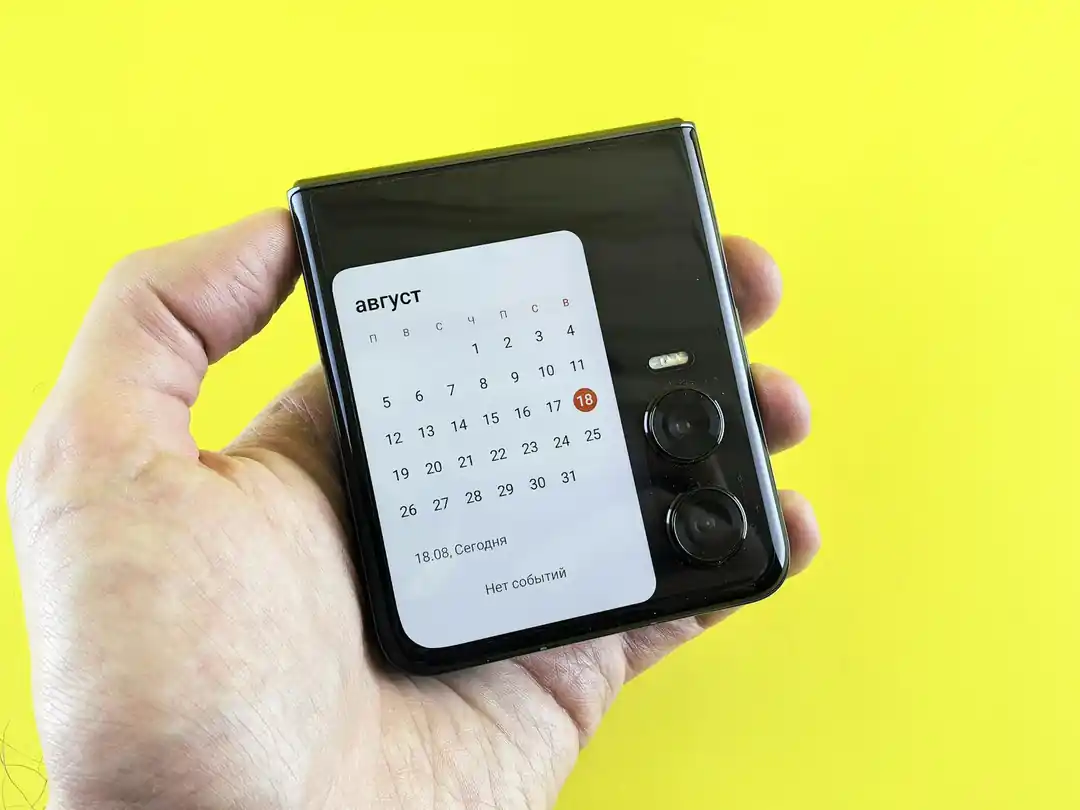
From Fragile to Formidable: The Surprising Evolution of Foldable Phone Durability
Remember when the idea of folding a smartphone screen in half felt like a disaster waiting to happen? Let's talk about how far they've come, because the story is pretty incredible.

Popular Posts

Rethinking Non-Profit Promotion: Creative Strategies That Actually Drive Event Impact
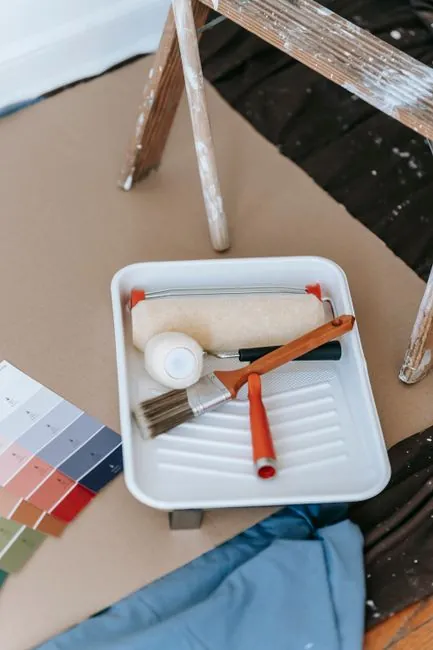
Beyond Stark White: The Best Interior Paint Colors to Light Up Your New Space

How to Actually Master a New Language on Your Own (No Magic Gene Required)