Meta's AI agent strategy: How Mark Zuckerberg's focus reshapes platform features
An examination of Meta's strategic shift toward AI agents, including product updates, monetization plans, and leadership philosophies driving the platform.
Meta Platforms is shifting its technological roadmap toward AI agents and hardware integration under CEO Mark Zuckerberg. This move departs from traditional social media models to position Meta as a leader in intelligence and commerce. By introducing specialized agent systems like "Muse" alongside advanced large language models, Zuckerberg is changing how users interact with Meta's ecosystem, how brands approach digital advertising, and how the company generates future revenue.
The evolution of Meta's AI models and agent infrastructure
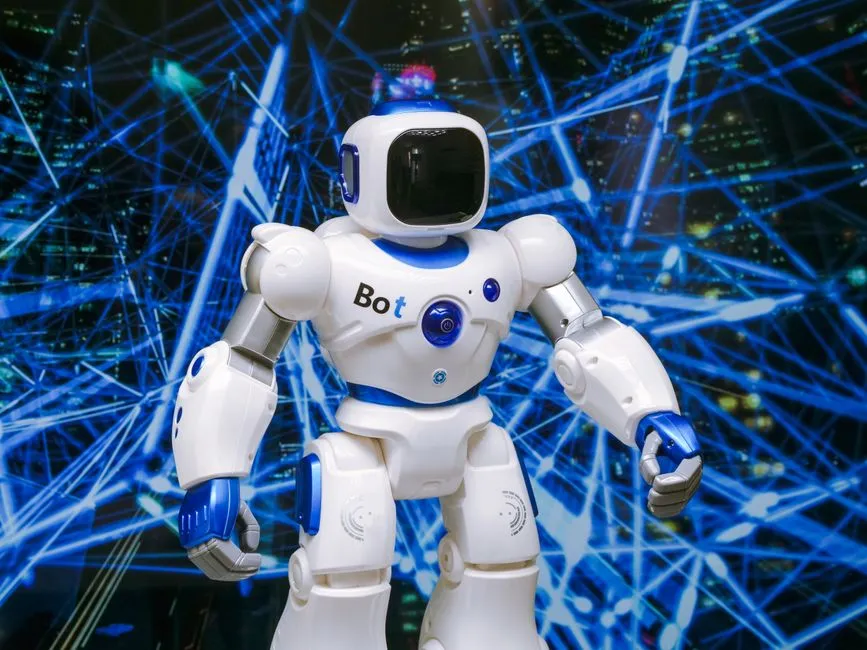
Meta's current strategy relies on developing AI models specifically for agentic capabilities. At developer conferences and public releases, the company introduced iterations like the Muse Spark 1.1 model, which handles complex, multistep reasoning and tool use. Unlike earlier model releases that often trailed competitors in certain benchmarks, Zuckerberg and his team have prioritized building a model that excels in coding, operational execution, and task management—much like how AI is redefining the software development lifecycle—for both internal employees and external developers.
To support this infrastructure, Meta has launched new commercial models, offering paid tiers and application programming interfaces (APIs) for businesses at competitive price points. This strategy is intended to undercut competitors while expanding the user and developer base. Zuckerberg is investing heavily in proprietary frontier models—rather than licensing technology from external providers—to maintain control. By owning the foundational intelligence, Meta ensures that its goal of delivering personalized assistants to every user is not limited by third-party priorities.
This focus on agentic technology has also led to internal adoption, with Meta employees using proprietary models to prototype platform features. The goal is to integrate intelligence into daily computing, moving users from simple conversational chat interfaces toward autonomous systems capable of executing work. By lowering the cost of access and maximizing distribution, Meta is using its historical playbook of scaling platforms rapidly before prioritizing monetization.
Integrating AI agents into hardware and commerce

Meta’s hardware ecosystem—most notably smart glasses and pocket-sized devices—is the primary way it deploys its flagship AI agent, Muse. Rather than keeping AI confined to a smartphone screen or a browser tab, Meta has embedded Muse into wearable technology with voice capabilities and visual search. This allows users to interact with the physical world, turning everyday items and locations into points of discovery and commercial interaction.
When wearing Muse-integrated glasses, a user can look at an object, such as a shirt in a storefront, and command the AI agent to locate and purchase it. The technical execution relies on linking external services, such as a Stripe account, directly to the Muse application to handle one-time card purchases. Before any transaction takes place, the agent presents the item and total price to the consumer for approval, creating a direct link between seeing a product and buying it.
This capability changes the traditional brand-technology relationship. Instead of brands relying on visual impressions or banner ads, they must make their products and services accessible to Meta's AI agent so that Muse can discover, select, and transact with them directly. This pivot places Meta in competition with retail and search giants like Amazon and Google. Owning the AI-mediated decision point preceding a purchase gives Meta a strong position in commerce media, though it creates friction with retailers who may block agent access to protect their own inventories.
Economic shifts, monetization, and strategic roadblocks
Meta's Agentic Commerce Pivot
Pros
- +Diversifies revenue with transaction fees, developer APIs, and affiliate commerce
- +Positions Meta as an AI-mediated decision point before purchase
- +Reduces dependence on traditional impression-based ad inventory
Cons
- −High data requirements trigger strict regulatory and user privacy hurdles
- −Internal firewalls prevent private agent dialogues from targeting ads
- −Major retailers block automated scraping, necessitating custom merchant deals
Meta's finances have traditionally focused on heavy capital expenditure and ad-driven revenue. However, AI agents introduce new revenue streams beyond conventional advertising. Meta is exploring transaction and subscription fees, developer API pricing, and commerce media models where returns resemble affiliate structures rather than impression-based ad units. By facilitating direct transactions and product-discovery interfaces, Meta is building a diversified business model to justify its infrastructure spending.
Despite these plans, Meta faces some roadblocks. Privacy is a major hurdle, as personalized agents require vast amounts of behavioral, location, and contextual data to function. While users may appreciate personalized recommendations, regulatory scrutiny and the demand for explicit permission can slow deployment, highlighting the need for organizations to audit autonomous AI agent permissions and mitigate security risks. Furthermore, current boundaries within Meta mean that private Muse conversations and user agent data are not shared with the company's traditional ad-targeting systems, separating conversational AI utility from ad-driven inventory.
External pushback also challenges Meta's commerce ambitions. Major e-commerce players have already taken steps to block AI agents from scraping or accessing their proprietary inventories, forcing Meta to negotiate direct transactional relationships with individual brands. These hurdles mean that while Zuckerberg's vision for an AI-mediated economy is broad, its realization requires balancing consumer trust, regulatory compliance, and cooperative agreements with the retail sector.
Zuckerberg’s philosophical manifesto and broader industry impact
Mark Zuckerberg’s essays outlining his views on artificial intelligence, personal superintelligence, and deregulation are both a roadmap and a defense of Meta's corporate trajectory. In these pieces, Zuckerberg argues that personal AI agents should be universally accessible tools that enhance human capability in health, work, and personal life, rather than centralized technologies controlled by a few entities. He frames Meta's investments as an effort to democratize advanced technology and foster global opportunities.
However, these public positions often overlap with Meta's commercial interests. The messaging emphasizing AI as an opportunity-creator contrasts with Meta's recent workforce restructuring and layoffs, exposing a tension between public relations and the realities of automation. Additionally, Zuckerberg’s pushback against centralized government regulation is designed to protect American competitiveness, but it also aligns with Meta's desire to release products rapidly and outmaneuver international rivals without restrictive oversight.
Zuckerberg's focus on AI agents is reshaping Meta's platform features, transitioning the company from a social networking conglomerate into an intelligence-driven commerce and utility ecosystem. Whether consumers embrace continuous AI integration and whether regulators permit the expansion of agent-driven transactions will determine the long-term success of this pivot. Meta is betting its future on the premise that owning the personal agent is the key to the next era of digital interaction.
References

What Meta’s push for integrated AI agents means for social media apps
Streaming video quality improvements with 5G mobile gaming apps

Related Posts
 TECH
TECHTop upcoming smartphone features powered by Meta's advanced AI agent technology
Explore how Meta's advanced AI agent technology, including Muse, is transforming mobile experiences, wearable integrations, and proactive personal intelligence.
TECHWhat Meta’s push for integrated AI agents means for social media apps
Meta is reshaping its social media ecosystem around Muse, an integrated AI agent designed to automate daily tasks and shift user habits away from traditional feeds.