Discover the top 5G smartphones offering exceptional battery longevity and robust signal strength, featuring leading devices from Apple, Samsung, and OnePlus.
The rollout of 5G networks across the United States has changed mobile device use by providing faster download speeds and lower latency. However, connecting to these networks often strains hardware and drains batteries faster. Finding a handset that balances high-speed connectivity with power management and stable signal reception is important for most users.
Understanding the balance between 5G and power efficiency

Modern 5G networks rely on wide channels for peak data speeds, using low-band sub-6GHz for coverage and mid-to-high band frequencies—such as C-band and mmWave—for high-capacity data transfers. While these spectrums allow rapid streaming and downloads, steady connections require efficient modem platforms and radio tuning. Phones that lack efficient modem architectures often drain battery capacity quickly as they struggle to hold weak signals or manage network handovers.
Recent hardware advancements have introduced more efficient processors and larger battery capacities without significantly increasing device thickness. Flagship models now use new chipsets and battery technologies, such as silicon-carbon power sources, to increase endurance. When evaluating a phone, users should look beyond headline download speeds and examine how the device manages power during continuous data use.
Top contenders for longest battery life and strong connectivity
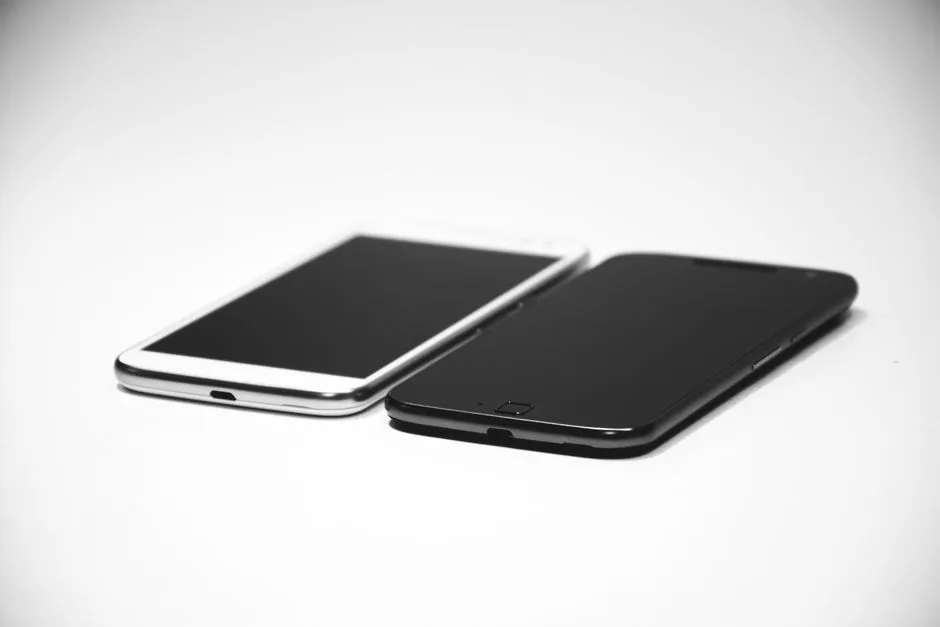
Of the top-tier devices tested recently, several offer long battery life and comprehensive 5G band support. Apple's flagships continue to be highly efficient. The Apple iPhone 17 Pro Max uses the A19 Pro chip and optimized operating system integration to last over 32 hours in standardized battery rundown tests. It also supports C-band, sub-6GHz, and mmWave 5G spectrums for broad compatibility and strong reception across major US carriers.
For Android users who want high performance and dependable power, devices powered by Qualcomm's Snapdragon 8 Elite platform are strong alternatives. The Samsung Galaxy S25 Ultra combines a 5,000mAh battery with software optimizations for day-to-day longevity during intensive multitasking and continuous 5G browsing. Its radio architecture ensures stable connections across key carrier bands, which reduces dropped signals in congested urban environments or at the edges of cellular coverage.
Midrange and alternative options for value seekers
Consumers who want long battery life and reliable signal strength without buying an expensive flagship have several options. The OnePlus 15 is known for its large battery capacity and high endurance among Android devices. With high-capacity battery technology, it offers extended usage times, fast charging, and support for modern wireless networks.
At a lower price point, devices like the Samsung Galaxy A16 5G show that budget-conscious buyers can still get good connectivity and battery life. It supports the essential 5G bands for reliable US network access and provides dependable everyday performance and long-term software support. Choosing the right 5G smartphone depends on balancing a budget with daily network needs to ensure reliable connectivity.
References
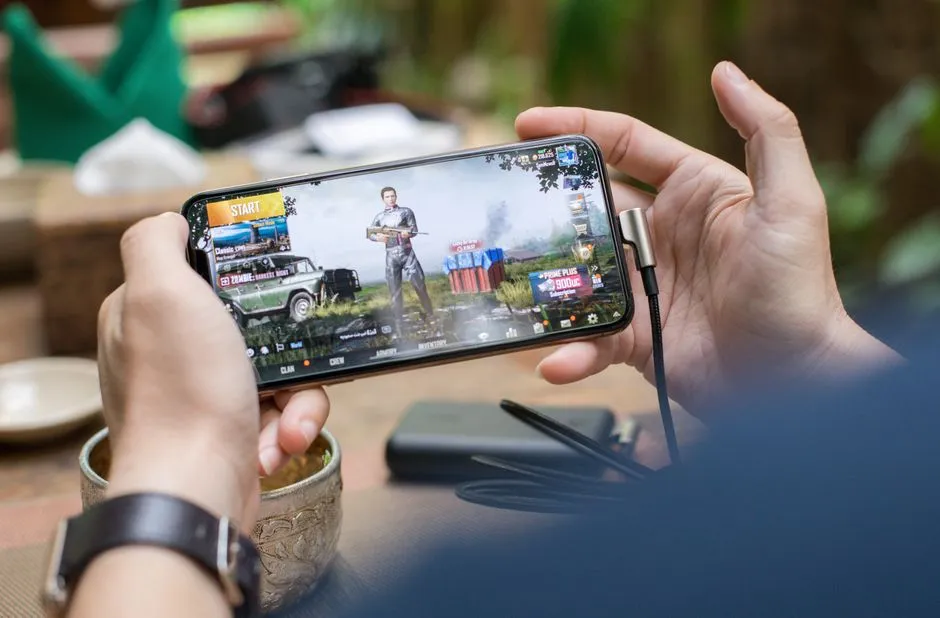
Streaming video quality improvements with 5G mobile gaming apps
How to leverage 5G network speed for AI cloud computing apps

Related Posts
TECHTop upcoming smartphone features powered by Meta's advanced AI agent technology
Explore how Meta's advanced AI agent technology, including Muse, is transforming mobile experiences, wearable integrations, and proactive personal intelligence.
 TECH
TECHWhat Meta’s push for integrated AI agents means for social media apps
Meta is reshaping its social media ecosystem around Muse, an integrated AI agent designed to automate daily tasks and shift user habits away from traditional feeds.

Popular Posts
Top upcoming smartphone features powered by Meta's advanced AI agent technology
What Meta’s push for integrated AI agents means for social media apps
Meta's AI agent strategy: How Mark Zuckerberg's focus reshapes platform features