A Plate Full of Luck: Unpacking the Most Delicious New Year's Day Food Traditions
Ever wonder why we eat black-eyed peas and greens on New Year's Day? It's more than just a meal; it's a plate full of history, hope, and good fortune. Let's dig in.
There’s a certain kind of quiet magic that settles over the house on New Year’s Day, isn’t there? The festive chaos of the holidays has softened to a gentle hum, and there's a feeling of a clean slate, a fresh start. For me, nothing captures that feeling better than the specific, wonderful smells that come from the kitchen—the smells of tradition, of hope, and, if you believe the folklore, of good, old-fashioned luck.
I'm talking about the classic American New Year's Day meal. It's a tradition deeply rooted in the South, but its delicious appeal has spread far and wide. For years, I just knew it as a comforting meal we had every January first. It wasn't until I got older that I started to ask why. Why these specific foods? It turns out, it’s not random at all. Each dish is a symbol, a culinary wish for health, wealth, and happiness in the year to come. It’s a tradition that’s as rich in meaning as it is in flavor.
The Main Event: Hoppin' John for a Hoppin' Year
If there's one dish that's synonymous with New Year's luck in the United States, it's Hoppin' John. At its core, it's a simple, savory dish of black-eyed peas cooked with rice and, typically, some kind of pork. But its significance goes far deeper than its humble ingredients. The black-eyed peas themselves are said to represent coins, so eating them is a direct invitation for prosperity. Some families even toss a clean dime into the pot, and whoever gets the coin in their bowl is said to have the best luck of all for the entire year.
The history behind this tradition is a powerful story of resilience. One of the most prevalent theories traces it back to the Civil War. When Union soldiers raided Confederate supplies, they often left behind fields of black-eyed peas, considering them mere animal fodder. For Southerners facing a brutal winter, these peas were a lifesaver, a symbol of survival and unexpected fortune in the face of devastation. It’s a dish born from hardship that has transformed into a beacon of hope.
Making it is a ritual in itself. The peas are often simmered for hours with a smoky ham hock, bacon, or salt pork, infusing the entire dish with a deep, savory flavor. Onions, celery, and bell peppers—the "holy trinity" of Southern cooking—add another layer of aromatic depth. Served over a bed of fluffy white rice, it’s more than just a meal; it feels like you’re partaking in a piece of history.
Going for the Green: Collards for Cash
What’s a plate of Hoppin’ John without a side of greens? The pairing is non-negotiable in most households, and for a very good reason. The symbolism here is wonderfully straightforward: the deep green color of the cooked collards represents paper money. The more greens you can pile onto your plate (and eat!), the more wealth you’re supposedly ushering into your life for the next twelve months.
Honestly, I love this part of the tradition. It feels so direct, so wonderfully optimistic. While collard greens are the most traditional choice, any leafy green will do in a pinch—mustard greens, turnip greens, or even kale have been known to make an appearance. The key is that they're green, leafy, and plentiful.
Like the black-eyed peas, preparing the collards is a slow and loving process. They are washed meticulously, chopped, and then typically braised in a rich broth, often the very same potlikker from the pork used in the Hoppin' John. They cook down until they are incredibly tender and have absorbed all the smoky, savory goodness of the broth. It’s a dish that requires patience, but the payoff is a silky, flavorful side that perfectly balances the earthiness of the peas.
A Slice of Gold: Cornbread for Wealth
With the "coins" and "cash" covered, the final piece of the puzzle brings in the gold. A skillet of golden-yellow cornbread is the third essential component of this lucky meal. Its color is said to symbolize gold, adding another layer of wishes for wealth and prosperity. Some even say that its texture, especially if it has whole corn kernels, represents gold nuggets.
There’s a fierce debate in the South over how cornbread should be made—sweet or savory, with flour or without. But on New Year’s Day, all that really matters is that it’s on the table. It’s the perfect vehicle for sopping up every last drop of the flavorful potlikker from the collard greens or the broth from the black-eyed peas. Nothing can go to waste when you're trying to accumulate a year's worth of luck.
Baking it in a cast-iron skillet gives it an unbeatable crispy crust, while the inside remains moist and tender. Whether you like it crumbly or cake-like, that slice of golden bread ties the entire meal together. It’s a comforting, satisfying staple that feels like a warm hug on a plate, the final, delicious piece of your edible prayer for a prosperous year.
Don't Forget the Pork: Moving Forward into the Future
You may have noticed a common thread in the preparation of the peas and greens: pork. Whether it's a ham hock, bacon, or sausage, pork is a key flavor-enhancer, but it's also a powerful symbol in its own right. The significance of pork comes from the way pigs behave. They root forward with their snouts when they forage, never backward. This forward-moving motion is what you want to emulate in the new year—progress, moving ahead, and never dwelling on the past.
This is why you'll rarely see chicken or turkey on a traditional New Year's menu. Birds scratch backward, which is considered bad luck—a symbol of regression or dwelling on past regrets. The richness and fat of the pork are also seen as a sign of wealth and prosperity, promising a year of abundance.
From the smoky bacon in the Hoppin' John to a magnificent roasted pork shoulder as a centerpiece, including this meat is a declaration of your intent to move forward. It’s a delicious way to ensure you’re starting the year on the right foot, with momentum and a positive outlook. When you put it all together—the peas, the greens, the cornbread, and the pork—you have more than just a delicious dinner. You have a plate loaded with history, symbolism, and all the best wishes for the year ahead. And honestly, I can't think of a better way to start.

Your Guide to a DIY Home Energy Audit: Stop Leaks and Start Saving
Beyond the Great Wall: Essential Etiquette Tips for US Travelers in China

Related Posts
 COOKING TIPS
Is Your Kitchen Safe? The Best Way to Check for Food Recalls at Home
That feeling of uncertainty when you hear about a food recall is all too common. Let's walk through the simple, effective ways to stay informed and keep your family safe.
 RECIPES
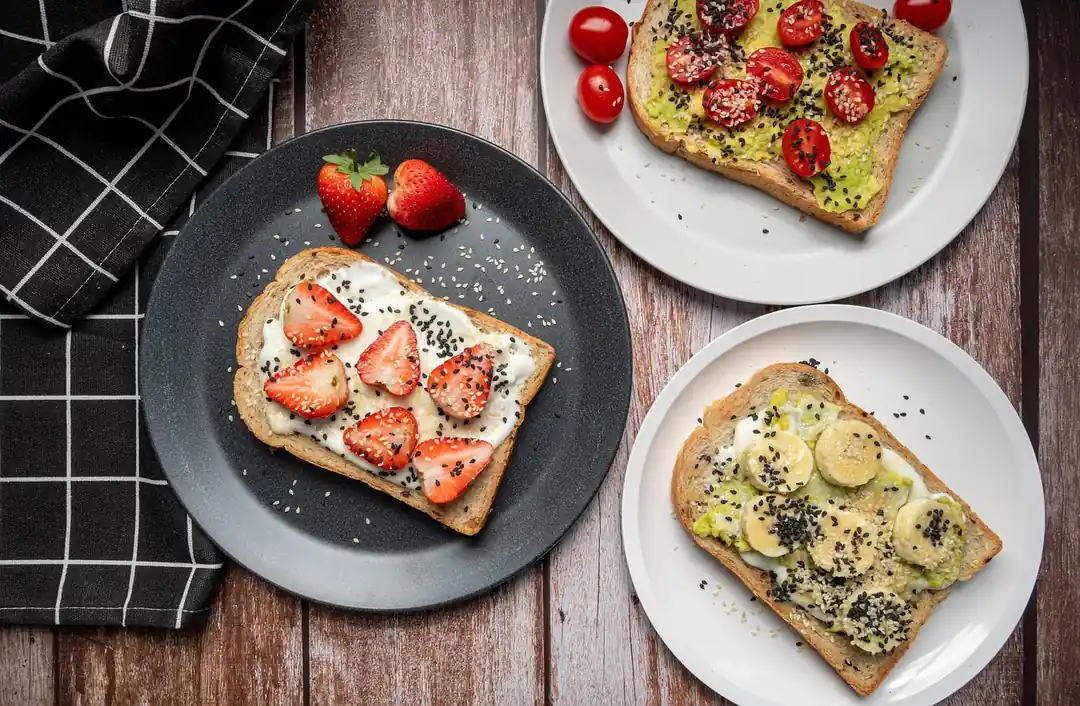
Beyond Peanut Butter: 7 Healthy & Delicious Sandwich Spreads You'll Love
Tired of the same old PB&J? Let's explore some incredible, nutrient-packed alternatives to peanut butter that will completely revitalize your lunch routine.

Popular Posts

Beyond Stark White: The Best Interior Paint Colors to Light Up Your New Space

How to Actually Master a New Language on Your Own (No Magic Gene Required)

The Simple Pre-Workout Fueling Strategy That Saved My Long Runs