An in-depth market and pricing analysis exploring whether brown diamond jewelry is worth the investment in 2024, examining cost, value, and market trends.
Understanding the value of brown diamonds in the current market
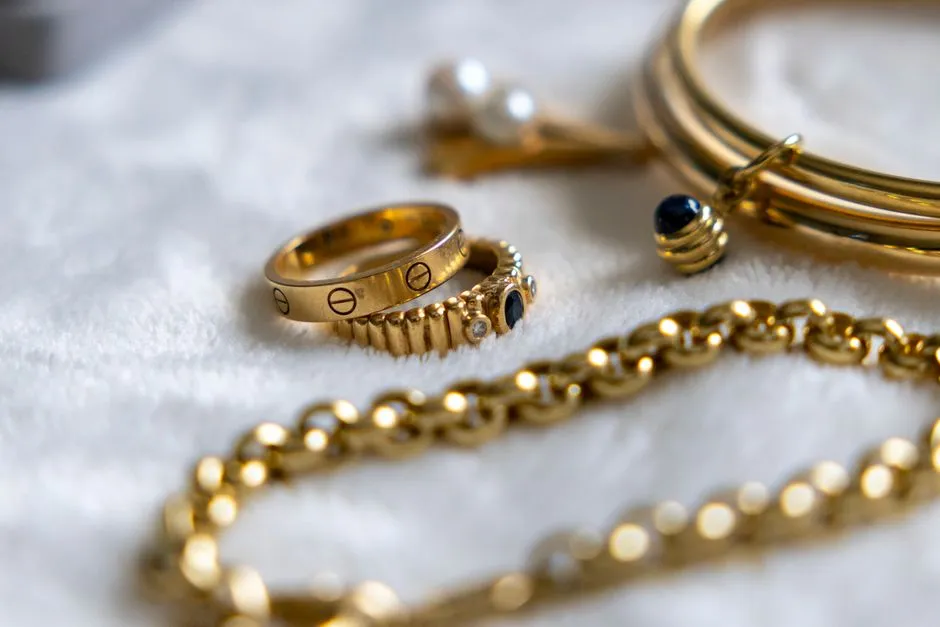
When evaluating whether brown diamond jewelry is worth the price, buyers should first understand what dictates the market value of these gemstones. Often marketed as champagne, cognac, or chocolate diamonds, brown diamonds owe their coloration to nitrogen atoms within their crystal lattice structure during formation as explained in a comprehensive guide. Historically, these fancy-colored diamonds were overlooked by mainstream consumers in favor of colorless white diamonds. However, shifting preferences and marketing have made them popular centerpieces for fine jewelry, particularly engagement rings, earrings, and pendants.
The pricing structure for brown diamonds differs significantly from traditional D-to-Z color-graded white diamonds. While white diamond values escalate rapidly with higher colorlessness, natural fancy brown diamonds are graded on a specialized scale that measures hue, tone, and saturation. Deeper, more intense shades, such as fancy vivid or dark cognac, often command higher prices, yet brown diamonds generally remain more affordable than their white counterparts. Industry data indicates that brown diamonds typically cost about half the price of comparable white diamonds, so budget-conscious buyers can secure larger or higher-quality stones for the same investment.
Evaluating the worth of these pieces also requires looking at broader jewelry market trends. According to industry pricing indices, the median sales price for traditional engagement rings fluctuated around $7,805 in 2024, with natural diamond rings commanding a median sales price of $12,316. In contrast, alternative stones and colored diamonds let buyers maximize carat weight without reaching these steep price thresholds. Because the global supply of natural brown diamonds is robust—largely driven by production from deposits like the Argyle mine in Western Australia—market saturation keeps acquisition costs lower, which improves their overall value for everyday purchasers.
Comparing brown diamonds to traditional white and lab-grown alternatives
Comparison of Natural Brown, Natural White, and Lab-Grown Diamonds
| Diamond Type | Market Pricing | Origin & Hardness | Value Retention & Resale |
|---|---|---|---|
| Natural Brown Diamond | About 50% the cost of equivalent white diamonds | Natural geological origin (Mohs 10) | Maintains stable collector demand and natural rarity |
| Natural White Diamond | Median ring sales price of $12,316 | Natural geological origin (Mohs 10) | Traditional market standard commanding top retail prices |
| Lab-Grown White Diamond | Median ring sales price of $5,383 | Synthetic lab-created origin (Mohs 10) | Depreciating resale value due to declining production costs |
To determine if brown diamond jewelry is a sound financial choice, buyers should compare them against other market options, such as colorless natural diamonds and lab-grown alternatives. In recent years, lab-grown diamonds have captured a large share of the engagement ring market, reaching an adoption rate of over 42% in 2024. The median sales price for lab-grown diamond rings was approximately $5,383 in 2024, while the lab-grown price per carat dropped steadily. This means consumers now face a market where lab-created stones and natural colored stones compete for value-driven buyers.
Choosing a natural brown diamond over a lab-grown white diamond often comes down to a preference for natural origin versus lower synthetic pricing. While a lab-grown white diamond offers a clear, colorless appearance at a moderate price point, a natural brown diamond provides geological rarity, durability (ranking a 10 on the Mohs scale), and a warm aesthetic that synthetic stones cannot replicate. Furthermore, unlike lab-grown diamonds, which have seen depreciation in resale value due to falling production costs, natural colored diamonds maintain a niche among collectors and enthusiasts who value their unique formation and finite supply.
Appraised values versus actual purchase prices further clarify the market dynamics of diamond jewelry, though buyers should first learn how to find a professional appraiser to ensure they receive an accurate valuation. Insurance appraisals typically reflect retail replacement value, which is designed to account for future inflation, retail markups, and replacement costs. This makes appraised values notably higher than initial sales prices. For instance, while median sales prices for general engagement rings hovered under $8,000 in 2024, median appraised values often exceeded $9,800. When purchasing brown diamond jewelry, buyers should ensure that the retail price aligns reasonably with the stone's specific 4Cs—color intensity, cut quality, clarity (aiming for eye-clean stones like SI1 or better), and carat weight—rather than relying solely on inflated replacement appraisals.
Evaluating aesthetic versatility and longevity as an investment
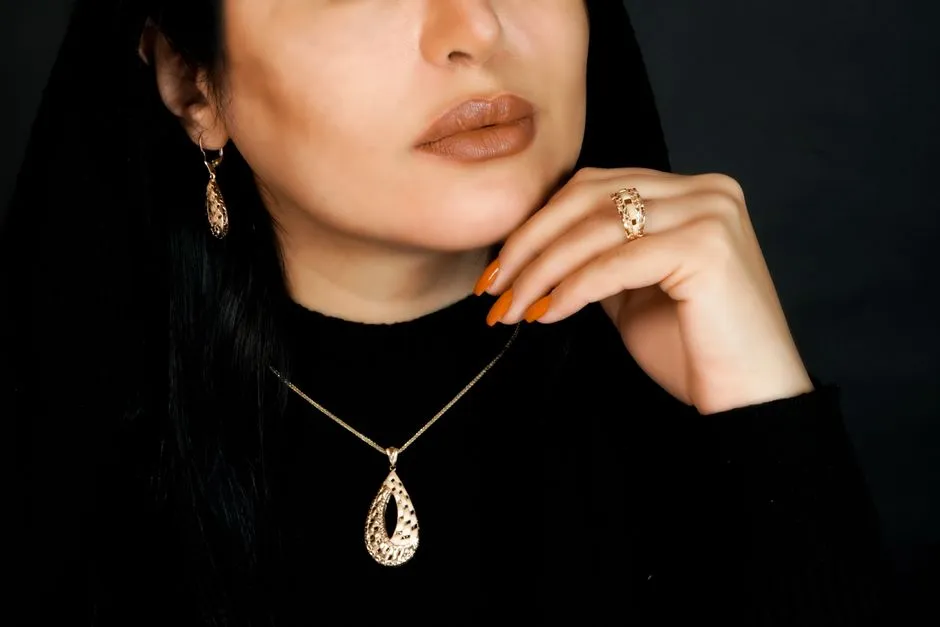
Beyond economics, the worth of brown diamond jewelry in 2024 depends on personal style, skin tone compatibility, and long-term durability. One advantage of champagne and cognac diamonds is their versatility across various metal settings and skin complexions. Light champagne and soft brown diamonds offer a warmth that complements fair skin tones. Mid-toned cognac diamonds work well with olive and medium skin tones, while deep chocolate diamonds create a contrast against darker skin tones. When paired with yellow or rose gold settings, these stones create a vintage-inspired look that remains fashionable.
Durability is another factor when assessing whether jewelry is worth its price tag. Because brown diamonds share the same physical and chemical composition as colorless diamonds, they possess the same hardness and resistance to scratching. This makes them well-suited for daily wear items such as engagement rings and wedding bands, unlike softer gemstone alternatives like morganite or opal that require frequent maintenance. Buyers can wear brown diamond jewelry daily without fearing the surface wear that affects lesser gemstones, so the initial investment lasts longer.
Ultimately, brown diamond jewelry is worth the price for buyers who prioritize unique aesthetics, larger stone sizes, and natural rarity over traditional diamond conventions. While they may not function as liquid financial investments, given that most fine jewelry depreciates after purchase, they provide intrinsic and decorative value. By offering more carat weight or clarity for the same budget as a traditional white diamond, brown diamonds allow consumers to secure durable and distinctive jewelry pieces that deliver better aesthetic returns relative to their cost.
References
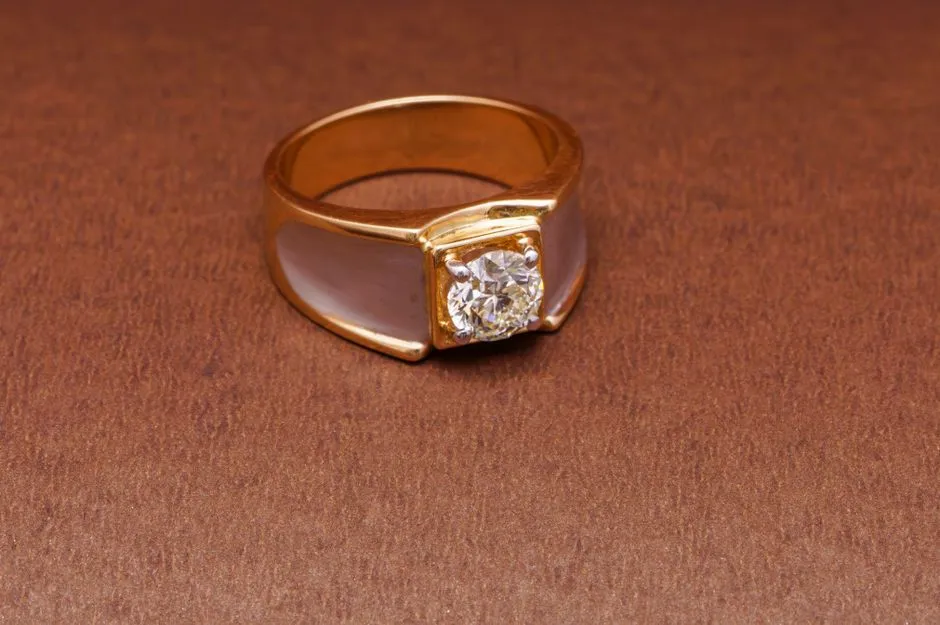
How realistic are brown diamond engagement rings compared to lab-created alternatives?
Best smartphone telescopes and binoculars for amateur astronomy

Related Posts
 SHOPPING
Comparison of 2025 heavy luxury car categories featuring the new Jaguar reveal
An in-depth look at the 2025 heavy luxury and exotic car market, highlighting top-tier models and the strategic brand relaunch of Jaguar into the ultra-luxury EV segment.
 SHOPPING
Is an electric SUV worth buying compared to an electric sedan?
Compare the efficiency, range, performance, and everyday utility of electric sport utility vehicles versus electric sedans to determine which is best for your driving needs.


