Compare the efficiency, range, performance, and everyday utility of electric sport utility vehicles versus electric sedans to determine which is best for your driving needs.
When shopping for a battery-powered vehicle, buyers face a common choice that mirrors the gas-powered market: should you purchase a sport utility vehicle or stick with a traditional four-door layout? While the US market is predominantly driven by trucks, SUVs, and crossovers, the electric vehicle segment brings specific engineering differences between these two body styles. Deciding whether an electric SUV is worth buying compared to an electric sedan involves looking at factors such as aerodynamic efficiency, driving range, performance, and daily utility.
Aerodynamic efficiency and driving range
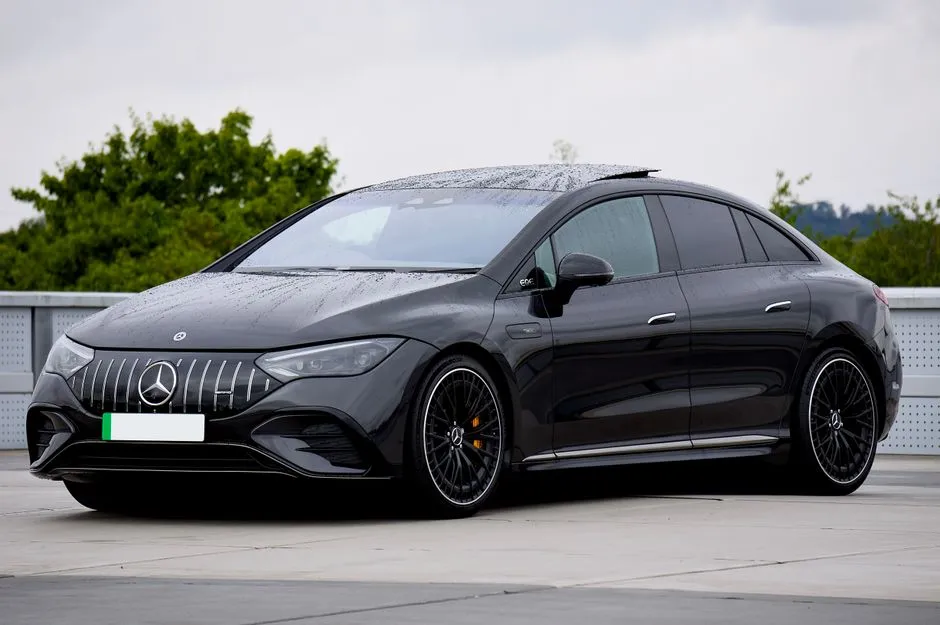
A major difference between electric SUVs and electric sedans is their physical form, which determines aerodynamic drag and energy consumption. Because electric sedans ride lower to the ground and have a sleeker shape, they cut through the air more efficiently than taller, boxier SUVs. This architecture makes electric sedans more efficient for long distances or commuting than their heavier SUV counterparts.
For example, many mainstream and luxury electric sedans offer high range on a single charge. The Tesla Model 3 delivers an EPA-estimated range between 309 and 363 miles depending on the trim, while upcoming options like the Mercedes-Benz CLA-Class EV target up to 374 miles. In contrast, even highly rated electric SUVs often have lower maximum range due to their larger frontal area and heavier curb weights. When drivers prioritize maximizing miles per kilowatt-hour to reduce charging stops on road trips, the electric sedan has a clear physical advantage.
Performance and handling dynamics
Performance and Handling Comparison: Electric Sedan vs. Electric SUV
| Dynamic Aspect | Electric Sedan | Electric SUV |
|---|---|---|
| Center of Gravity | Lower; battery pack sits flat beneath a lower cabin | Higher; elevated ride height and cabin structure |
| Cornering Composure | Masks battery weight effectively on winding roads | Added height and weight place more strain on tires and chassis |
| Chassis & Powertrain Tuning | Precise chassis calibration with a sleek silhouette | Dual- or triple-motor setups with torque vectoring and adaptive suspension |
| Overall Road Feel | Nimble with a sports-car-like driver connection | Rapid straight-line acceleration with heavier body dynamics |
Beyond range, the geometry of sedans versus SUVs affects handling and acceleration. Electric sedans benefit from a lower center of gravity because their battery packs are situated flat in the floorboards beneath a lower cabin. This layout allows high-performance electric sedans to handle winding roads with more composure, masking their battery weight better than taller vehicles. Models like the Porsche Taycan show how precise chassis tuning and a low silhouette can improve driving feel and performance.
Still, the performance gap is narrowing as automakers apply dual- and triple-motor setups to larger utility bodies. High-performance electric SUVs and crossovers—such as the Hyundai Ioniq 5 N or performance-tuned variants of the Kia EV9—deliver quick straight-line acceleration and competent handling through torque vectoring and adaptive suspension. However, pushing a heavier, higher-riding SUV into a tight corner puts more strain on the tires and chassis than driving a nimble sedan with similar horsepower. Buyers who want a sports-car-like connection to the road will generally find the electric sedan more rewarding.
Everyday utility, cargo space, and market context
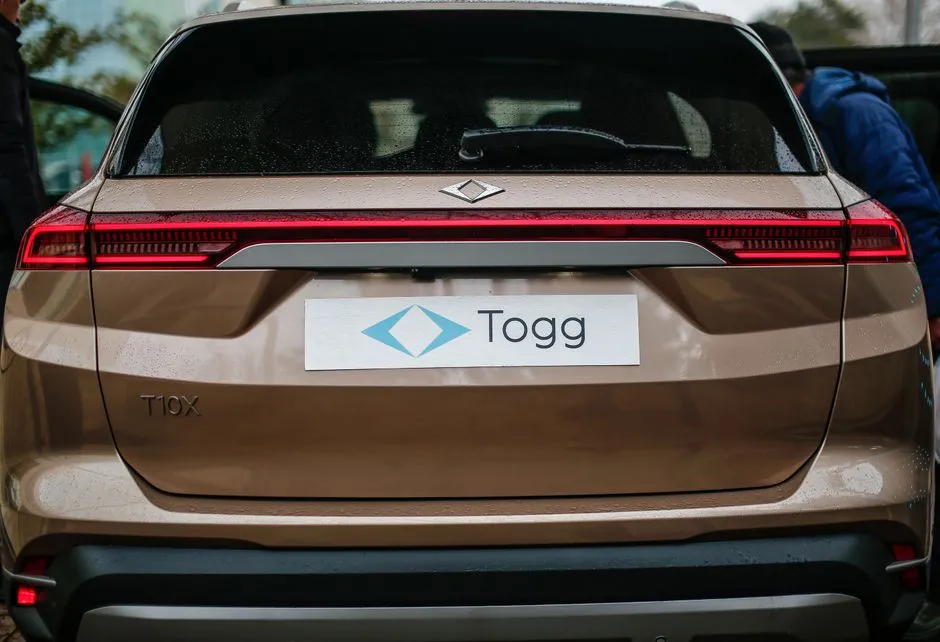
While electric sedans lead in efficiency and handling, SUVs are popular for their practicality and cargo versatility. In the United States, consumers often value elevated seating positions, easier entry and exit, and flexible cargo management, which are key things to look for when buying a luxury SUV. Electric SUVs provide ground clearance for navigating unpaved roads or deep snow, along with large rear cargo holds that can fit bulky luggage, bicycles, or furniture when the rear seats are folded flat.
Conversely, the four-door sedan is often viewed as a commuter car, despite the passenger comfort found in high-end models like the BMW i7, the Jaguar Type 01, or Audi S6 Sportback e-tron. Choosing between the two depends on your lifestyle. If your routine involves hauling family gear, managing child safety seats, or navigating rough weather where extra ground clearance is essential, the flexibility of an electric SUV makes it worth the premium. If your priorities are efficiency, sharper driving dynamics, and maximizing range per charge, an electric sedan is the better choice.
References
Comparison of 2025 heavy luxury car categories featuring the new Jaguar reveal
Official price and specifications for the electric new Jaguar Type 01
Related Posts
SHOPPINGComparison of 2025 heavy luxury car categories featuring the new Jaguar reveal
An in-depth look at the 2025 heavy luxury and exotic car market, highlighting top-tier models and the strategic brand relaunch of Jaguar into the ultra-luxury EV segment.
SHOPPINGOfficial price and specifications for the electric new Jaguar Type 01
Discover the official pricing, specifications, power metrics, and range details for the new all-electric Jaguar Type 01 four-door Grand Tourer.