Forget cloud-based assistants. The next wave of AI, like Anthropic's Claude 3 Opus, is coming directly to your phone, promising a faster, more private, and deeply personal mobile experience. Here's what you need to know.
Remember when your phone was just a phone? It made calls, sent texts, and maybe, if you were lucky, had a game of Snake. It’s almost hard to believe how far we’ve come. Today, our smartphones are our navigators, our personal assistants, our cameras, and our windows to the world. But the next leap forward isn't just about a better camera or a faster processor; it's about making your phone truly intelligent.
We're on the cusp of a new era in mobile technology, driven by powerful, on-device artificial intelligence. Models like Anthropic's Claude 3 Opus, and others in its class, are no longer just confined to massive data centers. They're being miniaturized and optimized to run directly on the device in your pocket. This isn't just a minor upgrade; it's a fundamental shift that will make our phones more personal, more responsive, and more secure than ever before.
So, what does this mean for you? It means your phone will understand you better, anticipate your needs, and perform complex tasks without ever needing to send your data to the cloud. It's a future where your device is less of a tool and more of a true digital companion.
The Big Shift: From the Cloud to Your Pocket
For the longest time, the "smart" in our smartphones was a bit of a misnomer. Most of the heavy lifting for AI tasks, like voice recognition or photo analysis, was done on powerful servers in the cloud. Your phone would capture the data, send it off, and wait for the result. This process, while effective, has its limitations. It requires a constant internet connection, introduces a slight delay (latency), and raises valid concerns about data privacy.
On-device AI changes the game entirely. By processing information directly on the phone's hardware, we unlock a new level of performance and security. Think about it: when you ask your voice assistant a question, the request is processed right there, in your hand. The result is an almost instantaneous response. This is crucial for features that need to react in real-time, like live language translation or advanced camera effects.
More importantly, it keeps your personal data personal. Your conversations, your photos, your daily habits—all of this information can be analyzed and used to create a more tailored experience without ever leaving your device. In an age where data privacy is a growing concern, this is a massive step forward. It's not just about convenience; it's about giving you back control over your digital life.
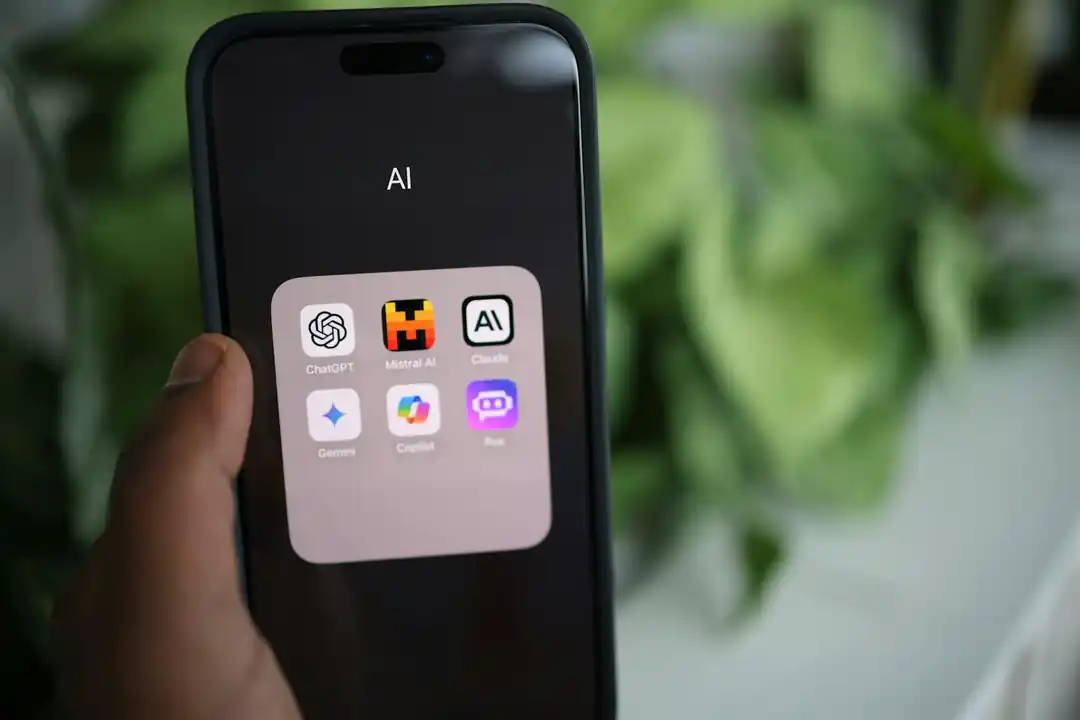
What Can On-Device AI Actually Do?
This all sounds great in theory, but what will it look like in practice? The possibilities are vast, but here are a few of the most exciting applications we can expect to see as models like Opus 4.6 become integrated into our smartphones.
First, imagine a truly proactive personal assistant. This isn't just about setting reminders or answering trivia questions. An on-device AI could learn your routines and anticipate your needs. For example, it might notice you have a meeting across town and proactively check traffic, suggesting you leave a few minutes early. Or, it could see an upcoming flight in your calendar and automatically check for delays, all without you having to ask.
Second, photography is about to get another major upgrade. On-device AI will enable real-time video enhancements, advanced object removal, and even the ability to generate entirely new images from a simple text description. Your phone's camera will become a powerful creative tool, capable of producing professional-quality results with minimal effort.
Finally, on-device AI will make our phones more accessible and intuitive. Real-time language translation will become a standard feature, allowing you to have a conversation with someone speaking a different language as if you were both speaking the same one. Your phone will also be able to learn your unique voice and speech patterns, making voice commands more accurate and reliable than ever before.
The Road Ahead
Of course, this transition won't happen overnight. There are still challenges to overcome, such as the need for more powerful and efficient mobile processors and the development of AI models that can run effectively on limited resources. But the industry is moving in this direction at a rapid pace.
The integration of advanced AI models like Opus 4.6 into our smartphones is not a question of if, but when. It represents a fundamental shift in how we interact with technology, moving us towards a future where our devices are not just tools, but true partners in our daily lives. It's an exciting time to be a tech enthusiast, and I, for one, can't wait to see what comes next.

Your Home Is About to Get a Genius Upgrade: How Advanced AI Is Redefining Smart Living
Beyond the Hype: The AI Productivity Apps Actually Worth Your Time in 2026

Related Posts
 MOBILE
The Great Console Debate: How to Choose the Right Gaming System for Your Family
Feeling stuck between a Switch, a PlayStation, and an Xbox? Let's break down which gaming console is the perfect fit for your family's game nights.
 MOBILE
From Fragile to Formidable: The Surprising Evolution of Foldable Phone Durability
Remember when the idea of folding a smartphone screen in half felt like a disaster waiting to happen? Let's talk about how far they've come, because the story is pretty incredible.

Popular Posts

Rethinking Non-Profit Promotion: Creative Strategies That Actually Drive Event Impact

Beyond Stark White: The Best Interior Paint Colors to Light Up Your New Space

How to Actually Master a New Language on Your Own (No Magic Gene Required)
