How to create a dedicated screen space at home for watching horror classics
Transform your home into the ultimate private screening room for horror classics by mastering lighting control, immersive audio, and acoustic design.
Mastering light control and black levels
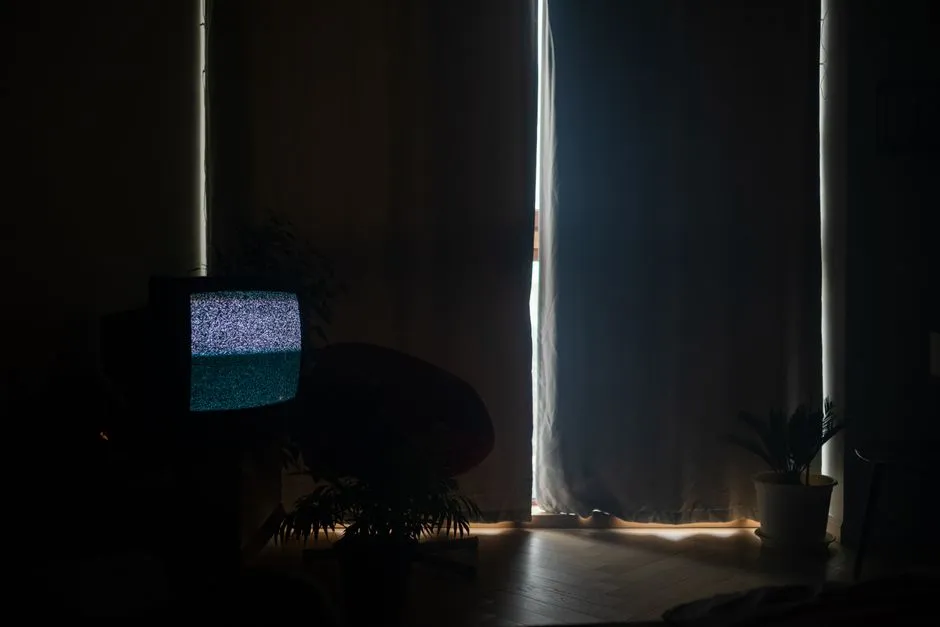
Fans of horror movies know how important atmosphere is. Watching a movie on a phone screen on a city bus is entirely different from experiencing it in a darkened, immersive environment. The scariest moments in cinema usually happen in the darkest frames, meaning black levels and shadow detail matter far more than peak brightness. If you use a projector, ambient light is the primary enemy, as a single uncovered window or a glowing equipment rack can wash out the image and ruin the suspense.
To achieve complete darkness, incorporate motorized blackout shades, matte-finish surfaces near the screen, and hidden equipment indicator lights according to guides on home theater upgrades. For smaller windows, simple blackout curtains will cover the glass, while automated blackout blinds provide full coverage over larger windows. Connecting these blinds to smart house controls allows you to press a single button to shut them and block out external light. While OLED screen owners have a natural advantage with contrast, even the best panels benefit from calibrations that restore near-black detail rather than crushing it.
Automation can improve the setup by linking your window treatments and fixtures to a smart lighting scene. A well-programmed system can lower the shades, fade the wall sconces, and switch aisle lights to a dim amber glow when you press play, then bring the lights up gently during the end credits so nobody is startled by a sudden glare. For a seasonal touch, color-capable smart fixtures can wash the room in deep orange or blood red during an intermission without requiring anyone to manually flip a switch.
Getting the sound and bass right
Horror Audio Setup Essentials
- Multiple Subwoofer Placement — Smooths room modes for balanced low-end rumble at every seat
- Seat-Mounted Tactile Transducers — Delivers visceral, physical bass sensation directly into theater seating
- Object-Based Audio (Dolby Atmos) — Positions creeping footsteps and subtle cues in full 360-degree surround
- Room Acoustic Treatments — Absorbs early reflections so quiet whispers and sudden stingers stay crisp
- Wall & Door Soundproofing — Contains high-decibel screams while blocking exterior household noise
Sound is an essential part of horror movies and is the main way to build tension, dread, and sudden panic. From classic cinematic scores to tiny details like branches snapping in a dark wood, proper sound engineering transforms the experience. Modern horror soundtracks lean heavily on infrasonic rumble—sub-bass tones near or below the threshold of hearing that create physical unease and visceral tension. Reproducing these frequencies takes more than just a large subwoofer; it requires precise placement and professional bass management to maximize the scares.
Multiple subwoofers placed carefully can smooth out room modes to deliver even, tight bass at every seat instead of a booming front row and a hollow back row. Pairing this setup with tactile transducers mounted directly to theater seating adds a physical layer, making jumps and crashes something you feel in your spine. Furthermore, wireless surround sound speakers and object-based audio layouts like Dolby Atmos let you feel fear from every angle where footsteps creep across the ceiling and whispers circle behind your head.
Professional acoustic treatment ensures that sound reflections do not smear these effects, keeping dialogue crisp and clear even during whispered sequences. You also want soundproofing options to block outside distractions and keep high-decibel screams inside the room. Soundproof panels absorb loud noises, ensuring that ominous music, monster roars, and screams remain contained within your screening space, a process often handled through expert acoustic design and implementation.
Content access and smart automation
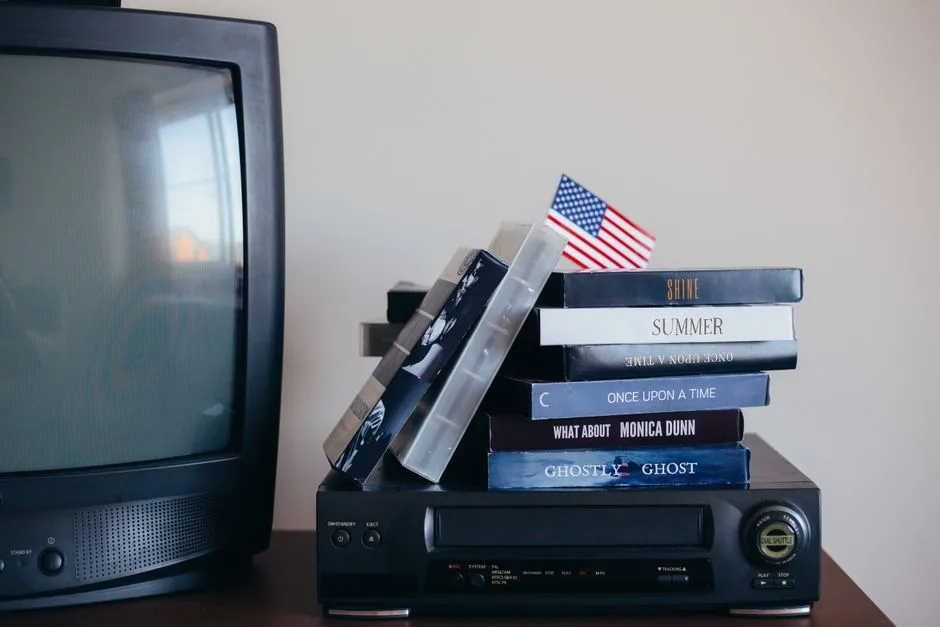
Technology integration should be seamless so that nothing interrupts the flow of your horror marathon. Direct streaming connections and dedicated media servers grant instant access to thousands of classic and modern horror titles. Home theater technicians can connect streaming boxes and media servers directly to your setup for stable data connections capable of handling high-definition and 4K streaming without buffering during peak viewing times.
Major streaming services, alongside dedicated horror networks like Shudder and Screambox, provide a wide range of options that can be organized into customized playlists using smart home technology. One-touch control systems, using advanced remotes or automation platforms, allow you to power on the projector, select the correct source, set the audio mode, and dim the lights with a single command. Guests should never have to navigate a complex input menu or struggle with multiple remotes when the lights go down.
Thoughtful automation can also include volume limits by time of day, ensuring that late-night slasher viewings do not rattle bedrooms upstairs or disturb neighbors. Distributed audio can even extend the atmosphere to adjacent areas, playing spooky ambient tracks at the front door or down the hallway while the main feature runs in the theater. By combining professional acoustic design, precise light control, and intuitive smart automation, you can turn a room into a high-quality screening space for horror movies.
References
- Home Theater Upgrades Ideal for Horror Movie Lovers
- Halloween Horror Movie Night: Tuning Your Home Theater for Maximum Scares
- Horror movies sound scarier in surround—here’s how to build a home theater that lets you feel fear from every angle
- Carl Tatz Design: Acoustic Design, Analysis & Implementation
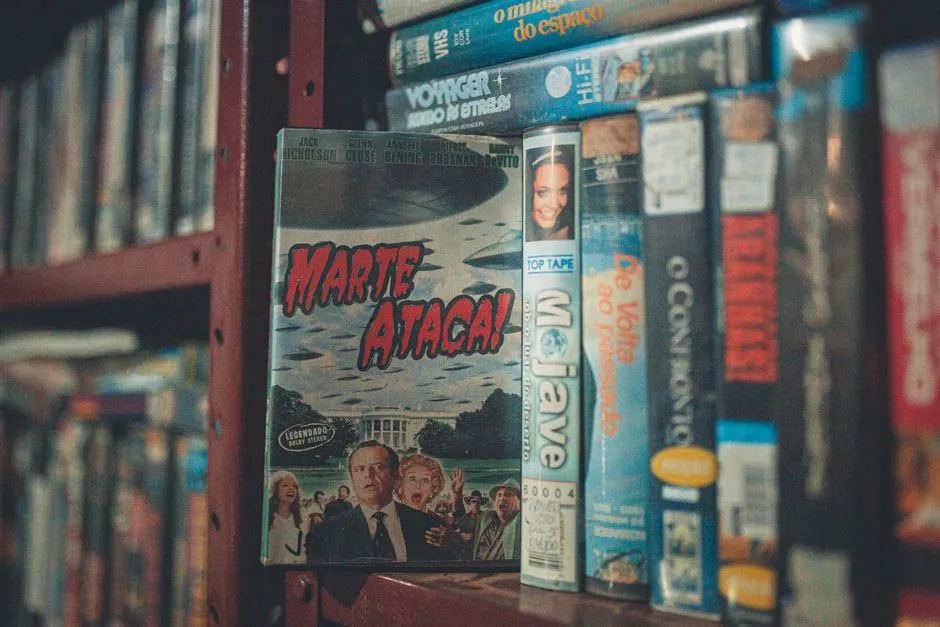
Curating a personal library of campy B-movies and iconic genre landmarks
Why early zombie films are essential viewing for genre enthusiasts
Related Posts
 LIFE
LIFEKeeping pets safe and stress-free during natural weather emergencies
A comprehensive guide on how to prepare emergency kits, establish evacuation plans, and minimize anxiety for pets during natural disasters.
 LIFE
LIFEEvaluating the best flood insurance policies for homeowners in flood zones
A comprehensive guide to evaluating and selecting the best flood insurance policies for homeowners in high-risk zones, comparing NFIP and private options.