Explore the origins of the zombie genre, from early 20th-century primitive cinematic depictions to George A. Romero's revolutionary social commentary.
The zombie genre is a cornerstone of modern horror, yet many contemporary fans overlook the foundational works that started the movement. While modern adaptations often prioritize relentless action, violence, and slick digital effects, early zombie cinema operated on a different wavelength. Tracing the undead from their first cinematic appearances in the 1930s through the shifts of the late 1960s reveals atmospheric dread, cultural folklore, and political allegory. Studying these early iterations gives genre enthusiasts a deeper appreciation for how horror evolves to process societal anxieties.
The primitive era and cultural roots
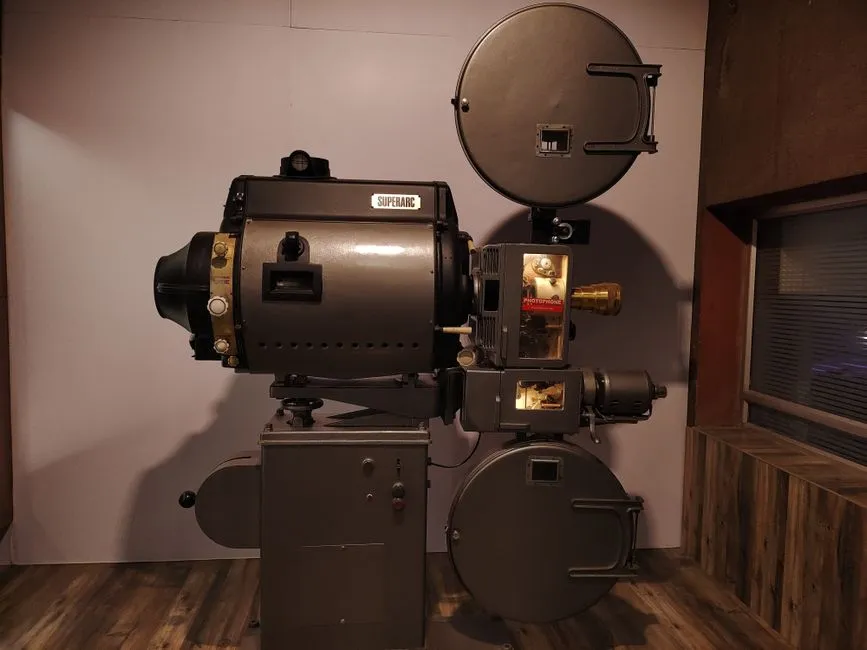
Long before the modern flesh-eating ghoul dominated screens, the primitive zombie emerged from a blend of Haitian folklore, colonial history, and early Hollywood studio filmmaking. Victor Halperin’s 1932 release White Zombie, starring Bela Lugosi, is often cited as the first true feature-length zombie film. In this early cycle, the cinematic zombie wasn't a cannibalistic corpse infected by a virus; it was a tragic, mind-controlled human stripped of free will by a voodoo master. These early representations frequently took place on exoticized plantations set against historical racial strife, casting figures like white plantation wives into passive, zombified states of subjugation.
Films from this formative period, such as Jacques Tourneur’s 1943 classic I Walked with a Zombie, relied on mood, shadow, and cinematography basics rather than explicit gore. In I Walked with a Zombie, a nurse arrives on a Caribbean island haunted by the legacy of slavery, only to find a local woman walking in a trance-like state that neither Western medicine nor traditional rituals can easily explain. These B-movies established early conventions regarding the irreversibility of zombification and the concept of a human controlled by an external master. For modern enthusiasts, viewing these early experiments shows the genre's move away from supernatural sorcery toward more physical manifestations of terror.
The shift toward modern iconography
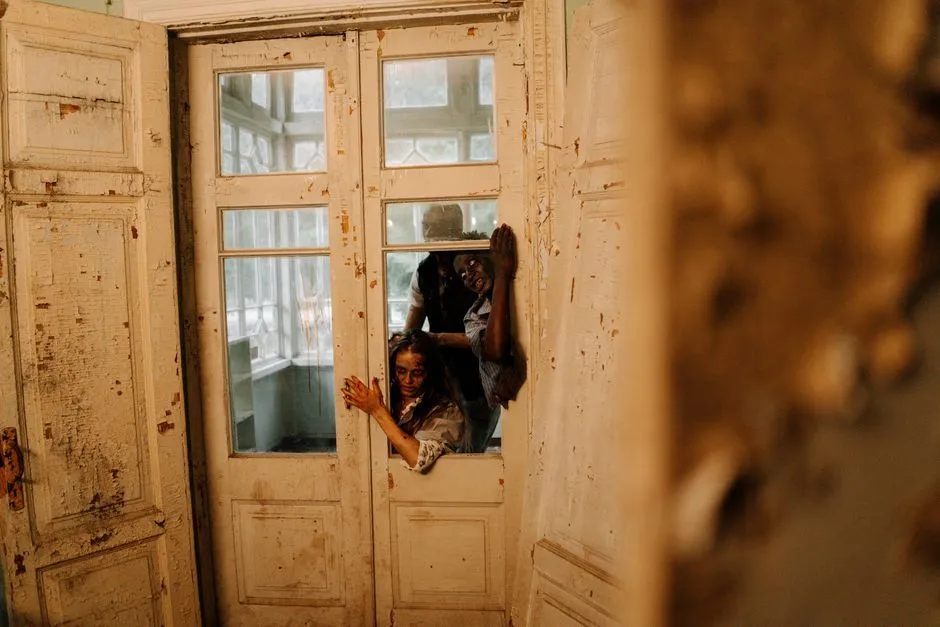
The transition from the primitive cinematic zombie to the classic monster of the late 20th century is one of the most significant evolutions in horror history. As the decades progressed, low-budget exploitation films and B-movies occasionally touched upon the undead—such as Ed Wood’s infamous Plan Nine From Outer Space in 1959, which featured aliens using reanimated corpses as puppets to destroy the earth. However, George A. Romero completely reinvented the genre. That shift arrived with his 1968 film Night of the Living Dead, which established the iconography and rules of the modern zombie apocalypse.
Romero stripped away the tropical voodoo trappings of the 1930s and 1940s, relocating the horror to rural Pennsylvania and redefining the undead as reanimated, flesh-eating corpses driven by hunger. In this film, zombification was no longer restricted to specific demographics; anyone could fall victim to the plague, and a single bite guaranteed infection. Romero established that destroying the brain was the only definitive way to stop the hordes. By analyzing the three-act plot structure of Night of the Living Dead alongside its successors, genre enthusiasts can witness the moment the zombie transitioned from a localized folktale trope into an apocalyptic threat.
Horror as a vehicle for social commentary
Social Allegory Across George A. Romero's Zombie Cinema
| Film | Year | Core Social Commentary | Key Focus / Setting |
|---|---|---|---|
| Night of the Living Dead | 1968 | Civil rights, racial injustice, and societal collapse | Heroic Black protagonist (Ben) navigating societal breakdown |
| Dawn of the Dead | 1978 | Rampant consumerism and mass capitalism | Survivors and wandering ghouls trapped in a shopping mall |
| Day of the Dead | 1985 | Militarism and authoritarian control | Institutional conflict and military breakdown during global crisis |
One of the most compelling reasons to revisit early zombie cinema is its history of social commentary. While mainstream media often avoided direct confrontation with controversial real-world issues, horror films provided an allegorical space to process political unrest, systemic oppression, and cultural anxieties. Romero’s work, in particular, used the zombie narrative to critique American society. Night of the Living Dead featured a capable, heroic Black protagonist named Ben at the height of the civil rights movement, offering a look at racial injustice and societal collapse that resonated with marginalized audiences.
This thematic focus continued in Romero’s subsequent films, notably Dawn of the Dead in 1978, which satirized rampant consumerism and mass capitalism by trapping its survivors inside a shopping mall while mindless ghouls wandered the corridors. Subsequent entries, such as Day of the Dead in 1985, explored the dangers of militarism and authoritarianism during global crises. For dedicated fans, studying these foundational texts shows that zombie films have always been about more than cheap scares and gore. They reflect the darker side of human nature, making early cinematic entries essential viewing for anyone wanting to understand the depth of the genre.
References
How to create a dedicated screen space at home for watching horror classics
Building consistent morning habits to boost mental clarity and physical longevity

Related Posts
 LIFE
LIFEKeeping pets safe and stress-free during natural weather emergencies
A comprehensive guide on how to prepare emergency kits, establish evacuation plans, and minimize anxiety for pets during natural disasters.
 LIFE
LIFEEvaluating the best flood insurance policies for homeowners in flood zones
A comprehensive guide to evaluating and selecting the best flood insurance policies for homeowners in high-risk zones, comparing NFIP and private options.