Inflight fire management: How flight attendants ensure cabin safety
A comprehensive look at how flight attendants manage smoke suppression and passenger safety during inflight fires, from lithium-ion battery incidents to galley emergencies.
The critical window: Understanding inflight fire risks
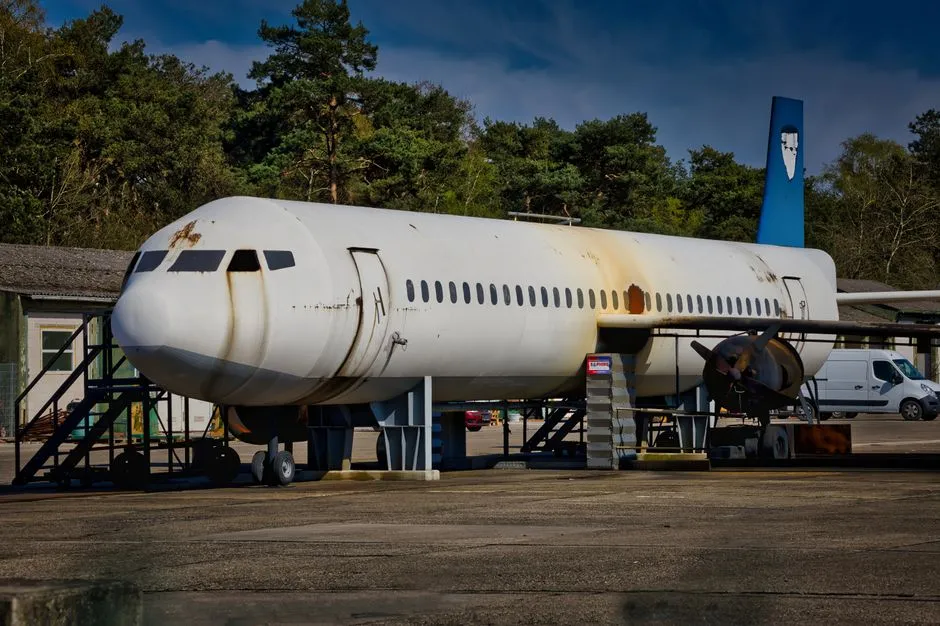
An inflight fire is one of the most dangerous emergencies in aviation. A hidden fire that progresses without immediate intervention can leave crew members with as little as 15 to 20 minutes to get an aircraft safely on the ground. The Federal Aviation Administration (FAA) notes that fires spreading to an aircraft’s overhead area can become uncontrollable in 8 to 10 minutes, emphasizing the extreme urgency required when a suspected fire is detected.
Because of these tight timeframes, having a trained flight attendant in the passenger cabin is essential, particularly on medium-to-large aircraft. While the flight crew is focused on communicating with air traffic control and executing an emergency descent, the pilots cannot easily leave the flight deck to investigate the cabin. Therefore, the flight attendant becomes the primary first responder, tasked with identifying the threat, fighting the fire, and protecting the passengers.
To maximize the effectiveness of this emergency response, collaborative training between pilots and cabin crews is highly recommended. Conducting all-hands "pressure tests" at their homebase hangar allows the entire crew to run through various fire scenarios in a stress-free environment where mistakes are not fatal. Because the crew must ultimately fight an inflight fire as a unified team, training together ensures better communication and a coordinated response.
Immediate response protocols: Smoke suppression and containment
Inflight Fire & Smoke Response Protocol
1. Don Protective Equipment
Immediately put on smoke hoods and Protective Breathing Equipment (PBE) to prevent incapacitation from toxic fumes.
2. Locate and Evaluate Source
Quickly locate the fire's origin, evaluate the fire, and select the appropriate extinguishing agent.
3. Attack Fire and Notify Cockpit
Directly attack the flames with the extinguisher while keeping the flight deck updated on status and severity.
4. Clear Smoke Post-Extinguishment
Initiate smoke elimination systems only after the fire is completely out to avoid feeding oxygen to flames.
Flight attendants follow established safety protocols during a cabin fire, starting with personal protection. Before attempting to fight the fire, they must immediately don their smoke hoods and protective breathing equipment (PBE). Any delay in securing oxygen and eye protection can result in rapid incapacitation from toxic fumes, leaving the cabin vulnerable and without trained leadership.
Once protected, FAA Advisory Circular 120-80B instructs the cabin crew to locate the source of the fire quickly. Success depends on prompt detection and immediate extinguishing actions. Flight attendants must evaluate the nature of the fire, select the appropriate extinguishing agent, and attack the flames directly while keeping the flight deck updated on the fire's status and severity.
Managing the resulting smoke and toxic fumes requires a strategic approach, as detailed in these emergency safety procedures for addressing smoke and fumes in aircraft cabins. Aircraft are equipped with smoke elimination systems, such as smoke relief valves often located over the door between the lavatory and baggage compartments, which can draw out dangerous pollutants. However, crews must exercise extreme caution; increasing airflow to eliminate smoke can inadvertently feed oxygen to the flames and increase the fire's intensity. Consequently, the fire must be completely extinguished before smoke clearance procedures are fully initiated.
Passenger safety and evacuation preparation
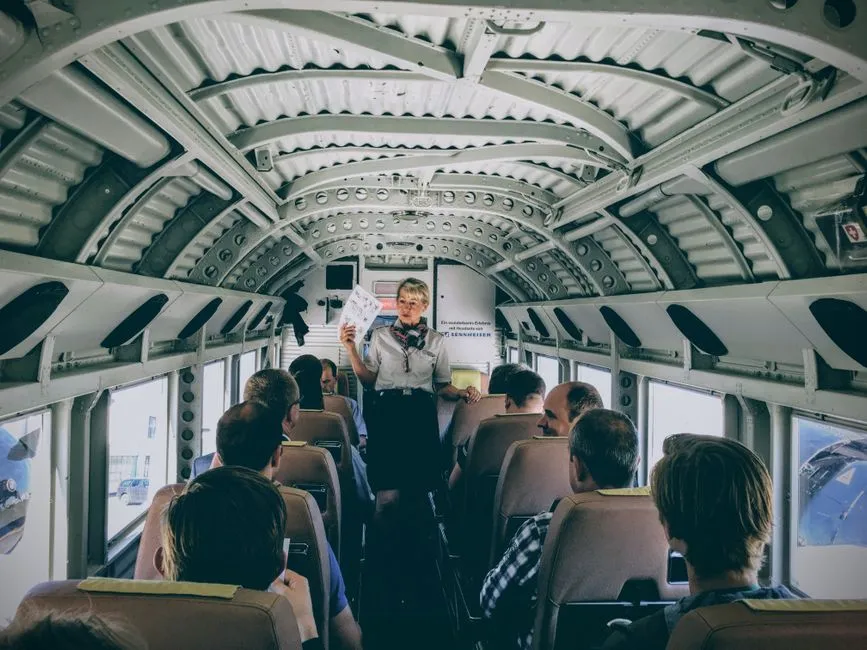
While fighting a fire, flight attendants must also manage passenger safety and panic. To help them survive, crew members instruct passengers to cover their mouths and noses with wet cloths. This simple but effective measure helps filter out particulate matter and minimize the effects of smoke inhalation while the crew works to resolve the emergency.
In addition to respiratory protection, flight attendants will command passengers to stay low to the floor, where the air remains clearer and cooler for a longer period. Depending on the location and severity of the incident, the crew will also relocate passengers away from the immediate vicinity of the fire. Moving passengers protects them from heat and smoke and clears the aisles so that the crew can maneuver freely with fire extinguishers and protective gear.
Beyond moving the passengers themselves, flight attendants must also secure secondary hazards within the cabin environment. A key part of fire management is the rapid relocation of combustible emergency equipment. Portable oxygen bottles, which are standard in aircraft for medical emergencies, must be immediately moved far away from the fire source to prevent them from exploding and worsening the situation. The cabin crew must also prepare the relocated passengers for a potential emergency landing and swift evacuation.
Managing modern hazards: Lithium-ion and galley fires
Cabin Hazard Handling Precautions
- •Lithium-ion thermal runaway: Immediately pour copious amounts of water directly onto overheating electronic devices to cool them.
- •Protective equipment: Always don fire-proof gloves before handling unstable electronics or transferring them to containment bags.
- •Galley oven safety: Ensure paper or cardboard lids and cooking instruction labels are removed from catering tins before heating.
Modern technology has introduced a significant new threat to the aircraft cabin in the form of lithium-ion battery fires. Devices such as smartphones, tablets, and laptops can experience thermal runaway, a condition where the battery overheats, emits toxic smoke, and can even violently explode, spewing white-hot gel. According to FAA data, these incidents are becoming more frequent. The first step in combating a thermal runaway is to cool the overheating device by pouring copious amounts of water directly onto it.
Cooling the device is the first step in containment. Flight attendants, often operating within arm's length of the unstable electronic device, must don fire-proof gloves to safely handle the hazardous material. The device is then placed into a specialized thermal containment bag designed to withstand extreme heat and prevent further combustion. In some aircraft configurations, protocols require submerging the overheating electronics in a large container of water until the plane has landed and the threat is neutralized.
Not all inflight fires originate from advanced technology; routine galley operations present their own set of hazards. Experienced corporate flight attendants warn that simple tasks, like reheating catering, can easily lead to a dangerous situation. Catering is often delivered in tins with paper or cardboard tops, or with paper labels containing cooking instructions. If these paper-backed materials are mistakenly placed into a high-temperature galley oven, they can quickly ignite. This makes meticulous attention to detail essential during standard service procedures, ensuring that a meal service does not escalate into a life-threatening emergency.
References
How to track and manage your flydubai online check-in status
Emergency safety procedures for addressing smoke and fumes in aircraft cabins
Related Posts
TRAVELHow to track and manage your flydubai online check-in status
A comprehensive guide on tracking, modifying, and managing your flight details and check-in status with flydubai.
TRAVELEmergency safety procedures for addressing smoke and fumes in aircraft cabins
A comprehensive guide on the critical protocols and actions required by flight crews, cabin staff, and passengers when smoke or fumes are detected during a flight.

Popular Posts
How to track and manage your flydubai online check-in status
Emergency safety procedures for addressing smoke and fumes in aircraft cabins
How to prepare a portable first aid kit for long-haul international flights