How to prepare a portable first aid kit for long-haul international flights
A comprehensive guide to packing an essential, TSA-friendly travel first aid kit for your next international flight.
Why you need a first aid kit for international travel
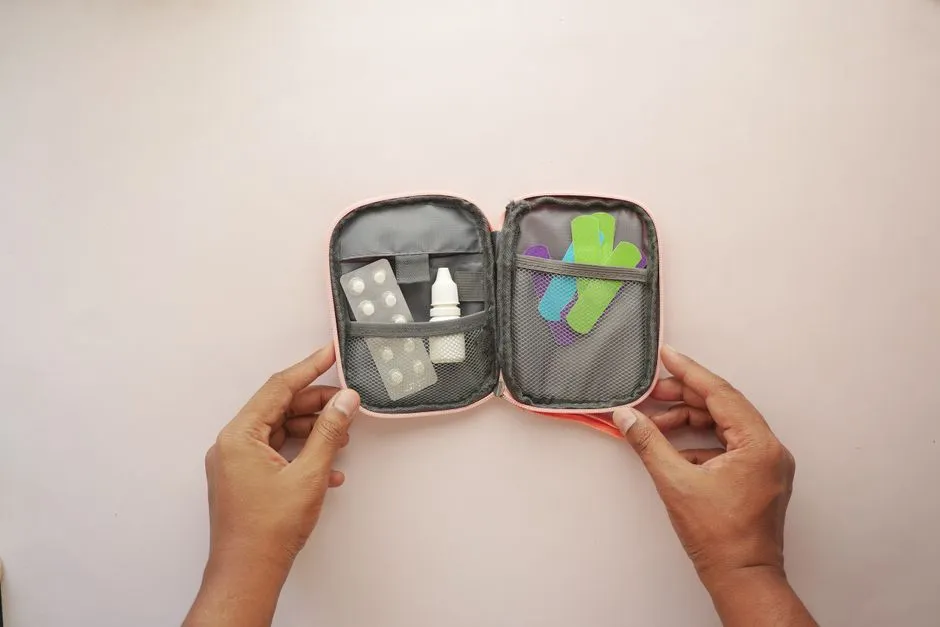
When preparing for a long-haul international flight, it might seem like packing a first aid kit is a waste of luggage space. It's easy to think that if a medical need arises, you can just visit a local pharmacy at your destination. However, relying on local resources can be risky. Pharmacies in foreign cities may have limited hours—such as being closed on Sundays—or you might be in a remote area where medical care is hard to find. Having your own supplies ensures that a minor injury or sudden illness doesn't ruin your vacation, which is particularly important when following solo travel safety tips.
The language barrier is another major challenge when seeking medical supplies abroad. If you are feeling unwell or trying to manage a stressful situation, translating symptoms to a pharmacist can be difficult. Reading the packaging for dosing recommendations or age-appropriate formulas for children can also be nearly impossible if it is printed in a language you do not speak fluently. Having familiar products on hand allows you to administer treatments safely and immediately.
The over-the-counter medications and treatments that you rely on in the United States might not be commonly used or available overseas. Different countries have varying regulations on what can be sold without a prescription, and specific brands or active ingredients you trust for pain relief or stomach trouble may be absent from foreign shelves. By bringing your own stocked kit, you can immediately manage common travel-related ailments like traveler's diarrhea or altitude sickness using remedies you already know and trust.
Choosing the right container and understanding TSA rules
TSA and International Security Regulations
- •Pack sharp tools like scissors and tweezers in checked luggage to avoid checkpoint confiscation.
- •Keep all liquid, gel, and cream medications compliant with carry-on volume limits.
- •Transport prescription medications in original labeled containers alongside paper copies of prescriptions.
- •Verify international limits, as some destinations restrict medication quantities to a 30-day supply or prohibit specific drugs.
A good travel first aid kit starts with the container you choose to store your supplies. It is best to select a small, durable, and water-resistant box or a clear zip-up bag. This container should be clearly labeled and kept readily accessible during your journey, ideally packed in your carry-on luggage so you can reach it while in the air. Opting for travel or sample sizes of creams, ointments, and liquid medications will save space and keep the kit portable enough to toss into a daypack once you reach your destination, similar to the strategy used for a minimalist EDC kit.
Because you will be taking this kit on an international flight, you must strictly adhere to Transportation Security Administration (TSA) regulations and international security rules. Any liquids, gels, or creams—such as aloe vera, antibacterial ointments, or liquid cold medicines—must comply with volume limits for carry-on bags. As for tools, the TSA does permit scissors in carry-on bags provided the blades are less than four inches from the pivot point. However, to avoid delays or the potential confiscation of tools like tweezers and small scissors at foreign security checkpoints, it is often recommended to pack sharp objects in your checked luggage unless they are absolutely necessary for the flight.
Rules are even stricter for prescription medications. All narcotics and psychoactive medications for personal use should be carried in their original prescription containers with clear labels that identify your name and the dosing schedule. Many countries limit the importation of certain medications to a 30-day supply or less, and some common US prescriptions may be restricted or prohibited entirely. It's a good idea to bring paper copies of your prescriptions from your doctor in case you face questioning at customs or need to secure a replacement while abroad.
Packing essential first aid tools and wound care
Wound Care and Tool Checklist
- Adhesive bandages & sterile gauze — Assorted sizes (including waterproof), 2x2 and 4x4 gauze pads, and medical tape
- Elastic or self-adhesive wrap — Provides joint and sprain support without requiring safety pins
- Hand sanitizer & antibacterial wipes — Sanitizer with at least 60% alcohol to clean hands before wound care
- Digital thermometer — Mercury-free and glass-free device for monitoring fever
- Topical ointments & soothing treatments — Antibiotic ointment, hydrocortisone cream, aloe vera gel, and calamine lotion
Good hygiene is important when treating injuries on the go, especially in a cramped airplane cabin. Your travel emergency kit should include antibacterial wipes and a travel-sized hand sanitizer containing at least 60% alcohol to clean your hands before touching cuts or scrapes. You should also pack a reliable thermometer—making sure it contains no mercury or glass—to safely check for a fever if you or a family member start feeling unwell during the trip.
To manage common travel injuries like slips, trips, and blisters, pack a variety of wound care items. Include adhesive bandages in small, medium, and large sizes, as well as waterproof options. For larger scrapes, bring 2x2 and 4x4 inch gauze pads along with a roll of medical adhesive tape to secure the dressings in place. Self-adhesive bandage wraps or a small elastic bandage are also useful, as they can support a sprained ankle or sore knee after a long day of walking without requiring safety pins or complex wrapping techniques.
Topical treatments are just as important as bandages for managing skin problems while traveling. A small tube of antibiotic ointment should be applied to cuts and scrapes before covering them with a bandage to prevent infection. You should also consider packing hydrocortisone cream for unexpected rashes, and a small container of aloe vera gel to soothe accidental sunburns or thermal burns. If your itinerary involves hiking or spending time in nature, calamine lotion is helpful for relieving the itching caused by insect bites or exposure to plants like poison ivy.
Essential medications for stomach and respiratory troubles
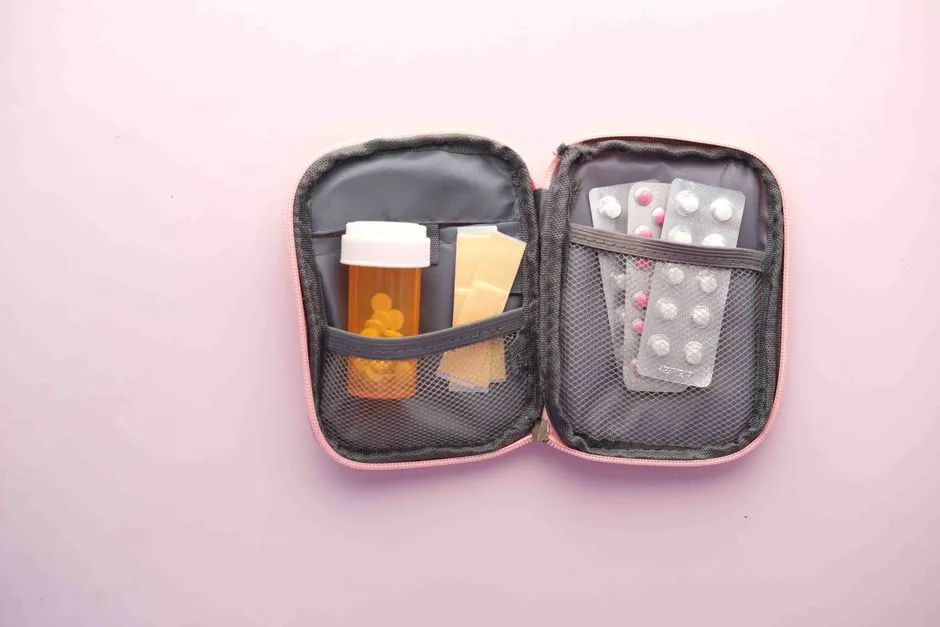
Changes in diet, unfamiliar spices, and exposure to foreign water sources make digestive issues one of the most common ailments for international travelers. To keep your stomach settled, your kit should include antacids to tackle sudden heartburn or mild indigestion after a heavy meal. Anti-diarrhea medications like loperamide are a quick fix for traveler’s diarrhea, and packing a mild laxative or stool softener can help if the disruption to your routine leaves you bound up. Also, carrying oral electrolyte solution powder is a lightweight way to ensure you can rehydrate properly if you experience severe vomiting or diarrhea.
Navigating different modes of transportation, whether you're on a plane or a bus, can easily induce motion sickness even in those who are not typically prone to it. Keeping meclizine or scopolamine tablets accessible in your carry-on can prevent a miserable travel day, though you should be mindful that some formulas can cause drowsiness. If your flight is taking you to a high-elevation destination, speak with your healthcare provider about including altitude sickness medication, such as acetazolamide, to prevent the nausea and headaches associated with rapid ascents.
Respiratory issues are also common, often made worse by the dry, recycled air on long flights and exposure to new allergens. Packing antihistamines like loratadine or diphenhydramine can provide relief for seasonal allergies or unexpected allergic reactions. You should also bring standard pain relievers like acetaminophen or ibuprofen to manage headaches or fever. To combat a stuffy nose or ear pressure changes during the flight, a decongestant tablet or saline nasal spray can help you get some much-needed rest on the plane.
Managing prescription medications and chronic conditions
Preparing for a healthy trip begins well before you head to the airport, starting with a visit to your primary care provider or a travel medicine specialist. This is the time to ensure you are up to date on routine vaccines and to discuss any destination-specific preventative healthcare, such as malaria prophylaxis. You can also ask your doctor for a prescription antibiotic specifically meant to treat severe cases of traveler’s diarrhea, which provides extra security if over-the-counter remedies fail.
When packing your daily medications, you should bring an ample supply that exceeds the planned duration of your trip. Flight delays, cancellations, or lost luggage can easily extend your time away from home, and running out of essential medication in a foreign country can be a major logistical problem. Pack enough of your prescriptions for the entire trip plus several days' worth of extra doses in your carry-on bag, ensuring they remain with you even if your checked luggage is misplaced by the airline.
Safety should always be the priority when administering any treatments from your travel kit. Always follow the proper dosages, paying close attention to instructions if you are treating children, and utilize child safety caps whenever possible to prevent accidental ingestion. If you have a severe chronic condition, such as diabetes, a seizure disorder, or a life-threatening allergy that requires an epinephrine auto-injector, carry your medication with you at all times and consider wearing a medical alert bracelet so first responders can treat you safely in an emergency.
References
Emergency safety procedures for addressing smoke and fumes in aircraft cabins
Navigating in-flight emergencies: Turbulence and landing gear failures

Related Posts
 TRAVEL
How to track and manage your flydubai online check-in status
A comprehensive guide on tracking, modifying, and managing your flight details and check-in status with flydubai.
 TRAVEL
Inflight fire management: How flight attendants ensure cabin safety
A comprehensive look at how flight attendants manage smoke suppression and passenger safety during inflight fires, from lithium-ion battery incidents to galley emergencies.