Navigating in-flight emergencies: Turbulence and landing gear failures
Understand the realities of sudden turbulence and landing gear malfunctions, and discover the precise procedures pilots use to keep aircraft safe.
The reality of sudden in-flight turbulence
Turbulence puts commercial airplanes in direct structural danger of falling.
Airplanes are engineered with positive stability to withstand extreme G-loads far beyond normal weather events.
Turbulence only occurs in stormy weather or visible cloud formations.
Clear Air Turbulence strikes invisibly at high altitudes with no visual warning due to jet streams and wind shear.
For many passengers, mid-flight turbulence is the primary source of travel anxiety, often making it feel as though the aircraft is in danger. However, modern commercial airplanes are engineered to withstand extreme positive and negative G-loads, far exceeding the forces generated by typical weather events. To a pilot, rough air is generally a comfort and convenience issue rather than a safety threat. Aircraft are designed with "positive stability," meaning that if a strong gust pushes the plane from its position, its natural aerodynamic tendency is to return to stable flight without aggressive manual correction.
While standard weather-related turbulence is visible and predictable, Clear Air Turbulence (CAT) is more difficult to manage. CAT occurs in clear skies, separate from thunderstorms or heavy cloud cover, typically at altitudes above 15,000 feet. Because it lacks visual indicators like anvil-topped cumulus clouds, it is an invisible hazard that can strike without warning. When an aircraft flies into CAT, sudden shifts in air density and flow can cause the plane to abruptly drop, rise, or tilt sharply before the crew has time to illuminate the seatbelt sign.
CAT is unpredictable because of atmospheric forces, especially jet streams and wind shear. Jet streams are narrow, fast-moving currents of air high in the atmosphere, and the turbulent boundaries around them frequently jostle commercial flights. Wind shear adds to the danger by introducing sudden changes in wind speed or direction over a very short distance. Whether occurring vertically or horizontally, severe wind shear can subject an aircraft to rapid airspeed changes of more than 15 knots, forcing the plane upward or downward with significant force.
How pilots manage and mitigate rough air
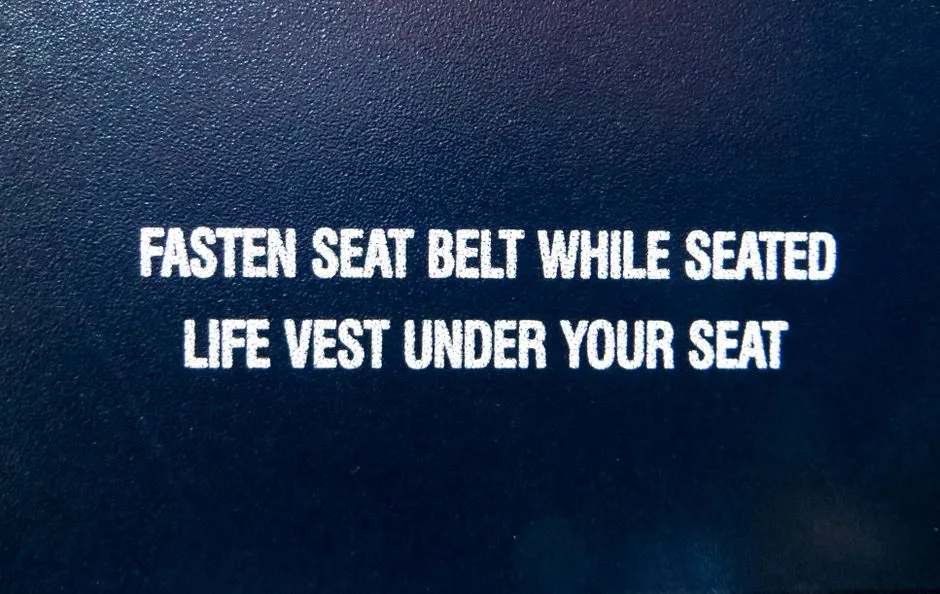
When severe turbulence strikes, flight crews execute specific protocols to protect the aircraft and the people on board. The immediate technical response is to reduce the aircraft's velocity to a designated "turbulence penetration speed." This speed protects the airframe from structural damage and high-speed buffet. Pilots do not fight the turbulence by wrestling with the yoke; a hands-off approach is actually safer. Modern autopilots often feature a specialized turbulence mode that desensitizes the system, reducing corrective inputs to ride out the rough air more smoothly.
At the same time, the crew works to find a smoother altitude or route. Avoiding turbulence requires a mix of atmospheric science and real-time communication. Pilots rely on weather charts, onboard radar returns, and pilot reports (PIREPS) broadcasted by other aircraft flying the same track. Using this information, the flight crew will contact Air Traffic Control to request higher or lower cruising altitudes to improve passenger comfort and allow flight attendants to safely perform their duties.
While the aircraft itself is in no danger of falling from the sky, the physical forces inside the cabin are a genuine hazard. The risk comes from unsecured passengers, crew members, and loose cargo. The National Transportation Safety Board (NTSB) has found that turbulence was involved in more than one-third of all U.S. airline accidents between 2009 and 2018. Sudden jolts can turn unbuckled individuals and heavy luggage into dangerous projectiles, which is why remaining seated with a fastened seatbelt is the most critical safety measure a passenger can take.
Responding to a landing gear malfunction
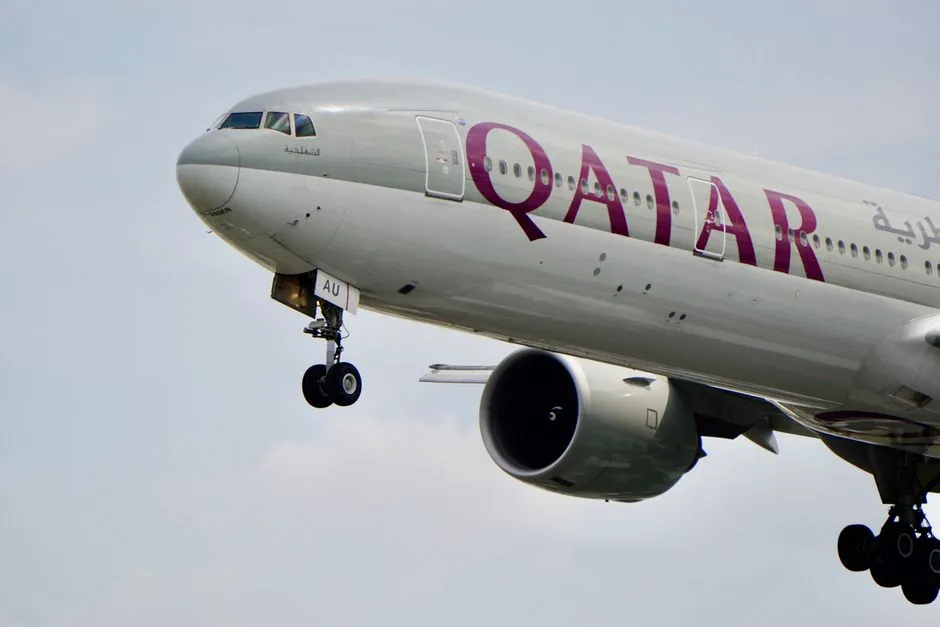
Mechanical failures, such as a landing gear malfunction, require different emergency procedures based on calm assessment and strict adherence to checklists. The first step for a flight crew is to diagnose the failure. Scenarios vary, ranging from a partial failure where only one set of wheels deploys to a complete failure of the entire system. In some cases, the wheels may lock into place, but the aerodynamic gear doors fail to close, creating drag that alters the aircraft's handling.
Once the initial assessment is made, the crew starts troubleshooting. Pilots first consult the gear position indicators in the cockpit to verify if the wheels are down and locked. If the primary hydraulic systems have failed, the crew will attempt a manual deployment. Depending on the aircraft type, this backup procedure might involve using a manual hand pump or pulling an emergency gear extension handle, relying on gravity and auxiliary systems to force the landing gear into its locked position.
If troubleshooting efforts are exhausted and the gear remains retracted or unsafe, the crew must prepare for an emergency belly landing. This requires crew resource management and external communication. The pilots will declare an emergency with Air Traffic Control to ensure the airspace is cleared and ground rescue vehicles are positioned along the runway. At the same time, the flight deck will brief the cabin crew so they can secure the cabin, reassure passengers, and instruct everyone on the proper brace positions for an abnormal touchdown.
Executing a safe emergency belly landing
Emergency Belly Landing Sequence
1. Aerodynamic Configuration
Trim for a slight nose-up attitude and extend flaps to the maximum allowable limit to minimize touchdown speed.
2. Precision Touchdown
Execute a flat three-point landing along the runway centerline to distribute impact forces across the underbelly.
3. Deceleration
Deploy reverse engine thrust and aerodynamic braking to safely slow the aircraft without wheel brakes.
4. Post-Stop Evacuation
Inspect for fuel leaks or fire hazards and initiate an immediate slide evacuation if necessary.
The aerodynamic setup for a gear-up landing is focused on minimizing impact forces. The pilot will trim the aircraft for a slightly nose-up attitude to prevent the nose from digging into the runway upon contact. Flaps are extended to the maximum allowable degree based on the emergency checklist. This configuration generates high lift at low speeds, allowing the pilot to reduce velocity as much as possible without stalling, which reduces the kinetic energy transferred to the fuselage.
As the aircraft approaches the runway, the touchdown must be precise. The objective is typically a three-point landing, aiming to bring the fuselage and the tail down simultaneously to distribute friction and impact forces evenly across the reinforced underbelly. The pilot must keep the aircraft aligned with the center of the runway, avoiding any lateral turning inputs. Keeping the belly flat and straight is vital to prevent the wings from catching the ground, which could cause a loss of control.
The moments following touchdown require rapid adaptation to the loss of standard braking systems. Without wheels, pilots cannot rely on traditional brakes; instead, they use reverse engine thrust, if available and safe to deploy, alongside aerodynamic braking to slow the aircraft. Once the plane stops, the crew evaluates the exterior for fire hazards or fuel leaks. If necessary, the pilots will order an immediate emergency evacuation, relying on the aircraft's slide systems and the intervention of airport fire and rescue personnel.
References
Related Posts
 TRAVEL
How to handle in-flight emergencies step by step during your next cross-country flight
A comprehensive guide for pilots on preparing for and managing in-flight emergencies, from medical issues and system failures to extreme weather.
 TRANSPORT
Beyond the Highway: Finding Canada's Soul on a Western Rail Adventure
Forget road trips. I'm talking about rediscovering the romance of travel on Via Rail's most scenic routes through the heart of the Canadian West. It’s an experience that changes you.