Emergency safety procedures for addressing smoke and fumes in aircraft cabins
A comprehensive guide on the critical protocols and actions required by flight crews, cabin staff, and passengers when smoke or fumes are detected during a flight.
The nature of in-flight smoke and fire
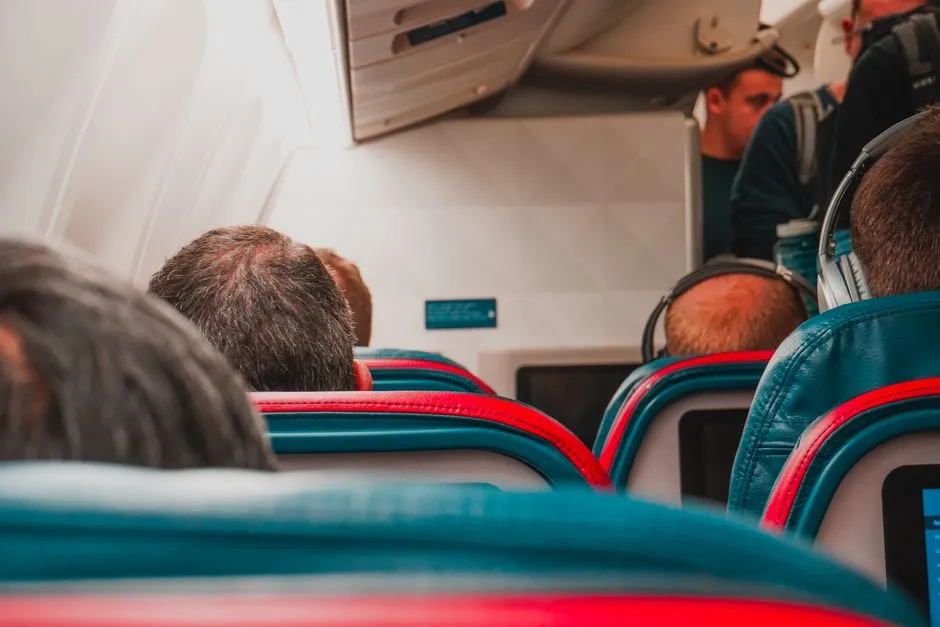
Aviation safety relies on rigorous preparation, and in-flight smoke or fire is one of the most time-critical emergencies a flight crew can face. Even a faint smell or a minor wisp of smoke must be treated as a severe threat until conclusively proven otherwise by the crew. False alarms do occur, and passengers or cabin staff might hesitate to report unusual odors for fear of embarrassment, but delaying a response can have catastrophic consequences when an actual fire is present.
The primary hazard is the rapid accumulation of toxic fumes and smoke within the enclosed passenger cabin, rather than just the flames. Smoke inhalation can debilitate passengers and crew before the fire spreads widely, making immediate action necessary to protect occupants and maintain control of the aircraft's systems.
A successful outcome depends on a coordinated, pre-planned effort from everyone on board, which is why pilots study how to handle in-flight emergencies step by step during your next cross-country flight. This involves the flight deck initiating rapid descent protocols, the cabin crew seeking out the source of the fumes, and passengers adhering to safety commands. Standardized procedures and rigid checklists help minimize confusion, allowing the crew to manage the stress of an emergency efficiently.
Flight crew protocols for protection and aircraft control
Flight Crew Emergency Protocol
1. Don Protective Equipment
Instantly put on oxygen masks and smoke goggles, setting the system to 100% oxygen with overpressure.
2. Establish Communication
Use the internal mask intercom to maintain coordination between pilots and air traffic control.
3. Initiate Emergency Descent
Declare an emergency with ATC, request vectors, and descend immediately toward the nearest viable runway.
At the first indication or suspicion of smoke or fumes, the flight crew's priority is personal protection so they can continue to fly the plane safely. Pilots must instantly don their smoke goggles and oxygen masks, ensuring a tight seal against the face to block airborne particulates. Setting the oxygen system to provide one hundred percent oxygen with overpressure according to safety guidance prevents toxic gases from entering the mask and incapacitating the pilots.
Effective communication while wearing protective breathing equipment is essential but inherently challenging. Both pilots must be thoroughly familiar with the operation of their masks' internal intercom functions to maintain coordination with each other and air traffic control. In certain situations, if the flight deck is physically clear of smoke, a captain may elect to temporarily delay putting on their own mask to clearly communicate with the cabin crew, but this is only done until the co-pilot is fully secured and in control of the aircraft.
The flight crew must also prepare for an immediate descent and an emergency landing at the nearest viable runway. Declaring an emergency with air traffic control and requesting immediate descent vectors are mandatory steps; pilots are advised to begin descending even if clearance is not immediately forthcoming. Modern passenger jets require several minutes to descend from cruising altitude—for example, it takes over five minutes for an A320 to descend from cruise to sea level—so any hesitation can jeopardize a safe recovery.
Cabin crew strategies for fire containment
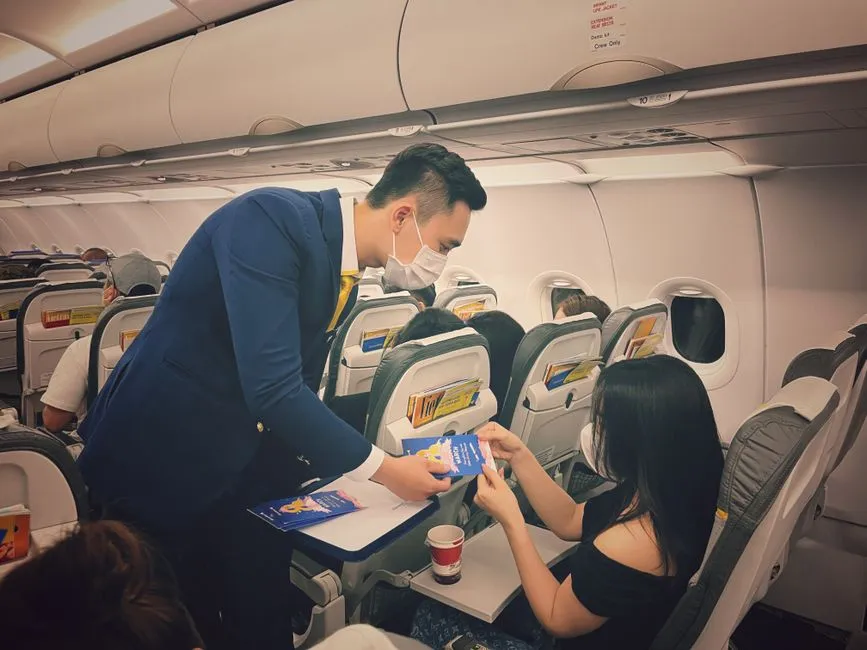
While the pilots focus on landing the aircraft as quickly as possible, the cabin crew is responsible for identifying and fighting the fire. United States Federal Aviation Administration guidance dictates that flight attendants must pursue the source of any smoke or fumes immediately following standardized checklists. This is necessary because hidden fires behind electrical panels or inside lavatories can escalate quickly if left unchecked.
Using all available resources is essential for containing the fire. Cabin crew members are trained to use onboard fire extinguishers and may enlist the help of off-duty, deadheading crew members or able-bodied passengers to manage the situation and move obstacles. They must act swiftly to locate the exact origin of the smoke, as fighting an in-flight fire is nearly impossible without direct access to the burning material.
Clearing the cabin of smoke introduces operational risks that crews must weigh. While some procedures involve depressurizing the cabin or opening specific vents to draw smoke out, these actions must be calculated. Introducing fresh air to improve visibility can feed the fire with more oxygen and exacerbate the blaze; therefore, extinguishing the source is the priority over merely clearing the air.
Passenger survival tactics during smoke conditions
Passenger Cabin Survival Actions
- Follow crew commands immediately — Abandon all personal belongings to prevent blocking aisles and hindering response
- Stay low to the floor — Breathe the cooler, cleaner air near floor level as toxic smoke rises
- Cover nose and mouth with clothing — Creates a filter against dangerous airborne particulates
- Check exit doors for heat before opening — Feel the door first; keep it closed if hot to prevent exterior fire from entering
Passengers play a role in their own survival and the overall safety of the cabin during a smoke or fume event. The most important instruction is to follow crew commands instantly and abandon all personal belongings. Panic, attempting to retrieve luggage, or improvising often obstruct aisles and hinder the cabin crew's ability to navigate the aircraft and address the emergency.
If the cabin begins to fill with thick smoke, passengers must act to minimize their inhalation of toxic, superheated gases. The standard safety procedure for cabin emergencies is to stay as low to the floor as possible, as heat and smoke naturally rise, leaving the cleanest and coolest air near the floor level. Passengers are also advised to cover their nose and mouth with an article of clothing, which provides a rudimentary but effective filter against the dangerous particulates floating in the air.
Should the situation deteriorate to the point of an emergency evacuation upon landing, awareness of the exits is necessary. If a passenger is seated near an emergency exit and directed by the crew to assess it, they must feel the door before attempting to open it. If the surface is hot to the touch, it indicates an active fire on the outside of the fuselage, and that exit must remain closed to prevent flames from entering the cabin.
References
Inflight fire management: How flight attendants ensure cabin safety
How to prepare a portable first aid kit for long-haul international flights

Related Posts
 TRAVEL
Comparison of flydubai hand baggage allowance versus other low cost carriers
An overview comparing flydubai hand baggage allowances, weight limits, and rules against standard low-cost carrier policies.
 TRAVEL
Best budget-friendly destinations from Dubai via flydubai
Discover the top budget-friendly destinations you can fly to directly from Dubai International Airport using flydubai, featuring new and expanding routes across Asia, Europe, and Africa.

Popular Posts

Low-impact exercises to improve posture and shoulder mobility for women undergoing regular breast cancer screening

Coping with anxiety and self-doubt: Managing emotional stress after a clear mammogram screening

Anti-inflammatory diet for breast health: Foods to eat during mammogram follow-up