How to build a retro gaming room inspired by Street Fighter aesthetics
Transform your space into a nostalgic 1990s arcade haven with authentic cabinets, industrial design, and vibrant neon lighting inspired by Street Fighter.
Planning your arcade space and budget
Steps to Plan Your Arcade Space
1. Measure and Define Goals
Assess available square footage to determine how many cabinets and amenities can fit.
2. Select a Centerpiece
Anchor the layout around a focal cabinet to ensure proper clearance for multiplayer action.
3. Budget and Pace Purchases
Account for gaming hardware, lighting, soundproofing, and furniture while building over time.
Home game rooms are becoming more popular again, thanks to a revival of 1980s and 1990s arcade nostalgia. If you're aiming for a gritty, competitive Street Fighter aesthetic, start by defining your goals and measuring your space. Whether it's a basement, small bedroom, or garage, your square footage will determine how many authentic cabinets or modern comforts you can actually fit.
The best approach is to balance vintage elements with modern amenities so the room stays functional without losing its charm. Start with one centerpiece—like a classic Street Fighter stand-up cabinet—and build the room around it. This focal point helps guide your layout, ensuring there's enough clearance for movement, multiplayer action, and the reactions of players.
Set a realistic budget early, which is a key tip for gameroom planning, as vintage machines and decor add up quickly. You'll need to account for gaming hardware, specialized lighting, soundproofing, and furniture. By pacing your purchases and focusing on the look first, you can build a space that prioritizes atmosphere over modern minimalism.
Setting the scene with industrial aesthetics and lighting
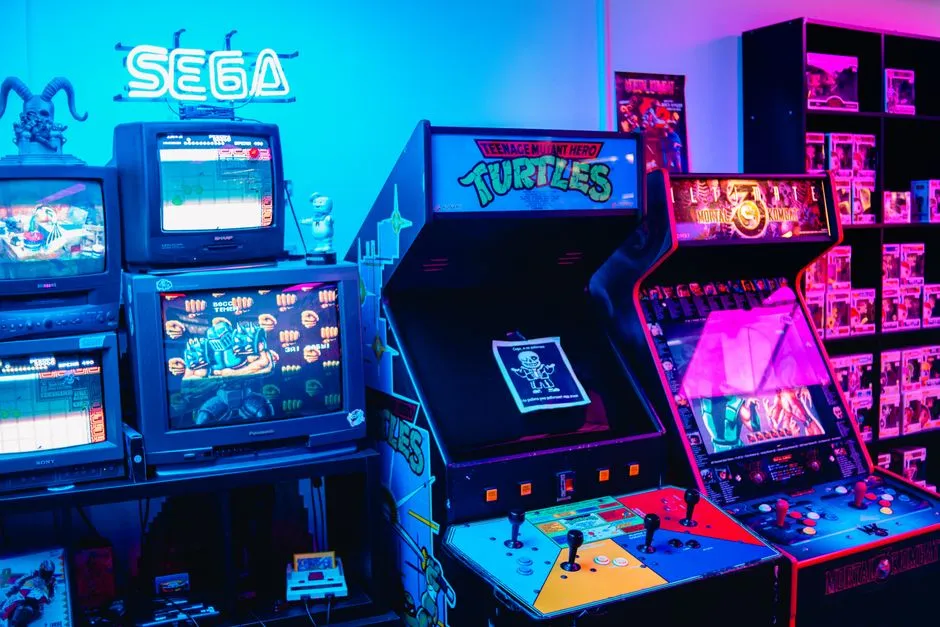
To get the feel of a late-80s or 90s arcade where Street Fighter was king, start with the right foundations. An industrial look—with concrete floors and exposed ceilings—works well for those pursuing retro gaming room ideas. Painting the walls dark charcoal provides a moody backdrop that makes game screens glow, creating an underground arcade atmosphere.
Lighting is key to the retro vibe, turning a standard room into a neon-drenched gaming cave. Mount neon signs in hot pink, electric blue, and bright green against dark walls to replicate the classic arcade glow. Custom neon designs with gaming symbols can act as focal points that establish the room's theme and energy.
Beyond traditional neon, smart lighting can enhance the space while keeping the retro feel. Place programmable RGB LED strips behind monitors, along doorframes, or under shelving for a cinematic effect. Black light fixtures can also cast dramatic shadows and make colors pop, immersing players in an environment where neon is the main light source.
Sourcing authentic arcade cabinets and equipment
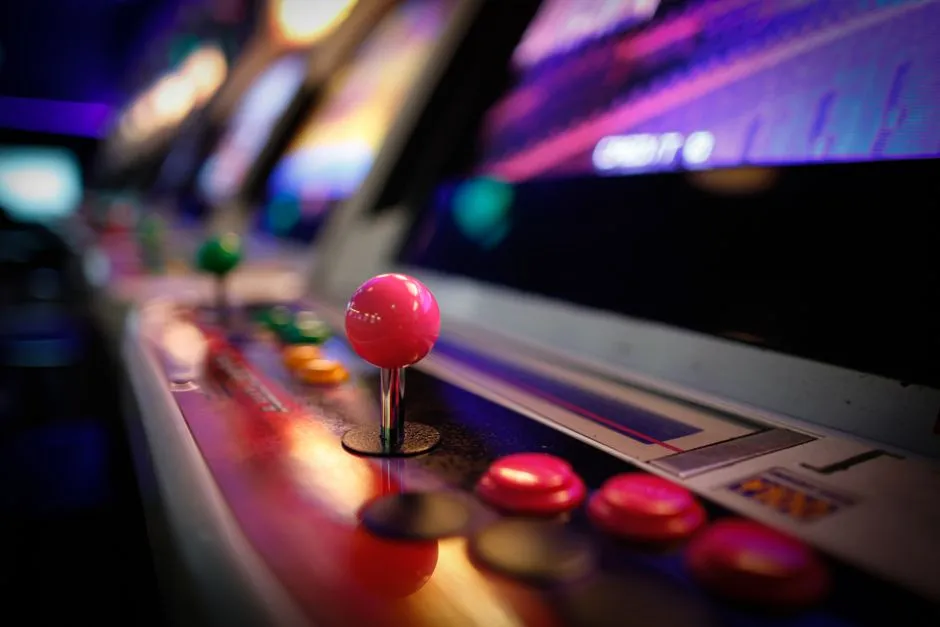
The centerpiece of a Street Fighter-inspired room should be authentic stand-up arcade cabinets. Original or high-quality replicas of classic fighting games, alongside mainstays like Pac-Man or Galaga, bring back the original arcade feel. Arrange these heavy machines along the walls to maximize floor space and recreate the crowded camaraderie of the golden age of gaming.
While cabinets provide the main look, adding vintage consoles makes the experience more complete. You'll need classic CRT televisions, as modern flat screens can't accurately reproduce the pixel art and scanlines intended by the developers. A dedicated collector's corner for these consoles connects the arcade experience with the home gaming revolution of the era.
To complement the electronics, add tabletop games—or even a DIY escape room—for more variety. A foosball or air hockey table provides high-speed, competitive play that fits the fighting game theme. Just plan the layout carefully so players have enough room to move during fast matches without bumping into the arcade cabinets.
Furnishing and accessorizing for the ultimate arcade vibe
Arcade Room Furnishing Checklist
- Seating for cabinets and consoles — Retro bar stools for stand-up cabinets, plus ergonomic chairs or bean bags for console areas
- 16-bit era wall decor and displays — Pixelated wall art, vintage posters, decals, and floating shelves for memorabilia
- Themed snack and beverage stations — Vintage popcorn machine, retro soda display with glass bottles, and a mini-fridge
The right furniture balances the vintage look with the comfort needed for long gaming sessions. For stand-up cabinets, retro bar stools let players rest while keeping the arcade feel. In console areas, ergonomic gaming chairs or high-quality bean bags provide the support needed to keep the space inviting for hours.
Era-appropriate details turn a simple game room into a nostalgic space. Use easy DIY home decor such as pixelated wall art, vintage posters, and decals to create an epic gaming room display that celebrates the 16-bit era. Sleek shelving units or floating shelves can display action figures, rare cartridges, and other memorabilia without cluttering the floor.
Finally, themed amenities keep players comfortable without them needing to leave the room. A vintage red popcorn machine and a retro soda display with glass bottles work as both snack stations and visual props. A mini-fridge for cold beverages completes the transformation of an ordinary room into a gaming haven.
References
Street Fighter analog fighting versus fighting game modes
Ranking the best Street Fighter movie characters from 1994 to today

Related Posts
LIFEStreet Fighter analog fighting versus fighting game modes
An in-depth look at how Street Fighter handles control schemes, fighting game modes, and how traditional arcade inputs compare to modern analog and hybrid control systems.
LIFERanking the best Street Fighter movie characters from 1994 to today
A comprehensive look at the evolution of Street Fighter on the big screen, ranking the best live-action characters from the 1994 classic to the highly anticipated 2026 reboot.

Popular Posts

Navigating in-flight emergencies: Turbulence and landing gear failures
How to handle in-flight emergencies step by step during your next cross-country flight
Street Fighter analog fighting versus fighting game modes