Low-impact exercises to improve posture and shoulder mobility for women undergoing regular breast cancer screening
Discover gentle, low-impact exercises designed to enhance posture and shoulder mobility, supporting overall health and wellness for women navigating breast cancer screenings and treatments.
Understanding the connection between posture, mobility, and breast health
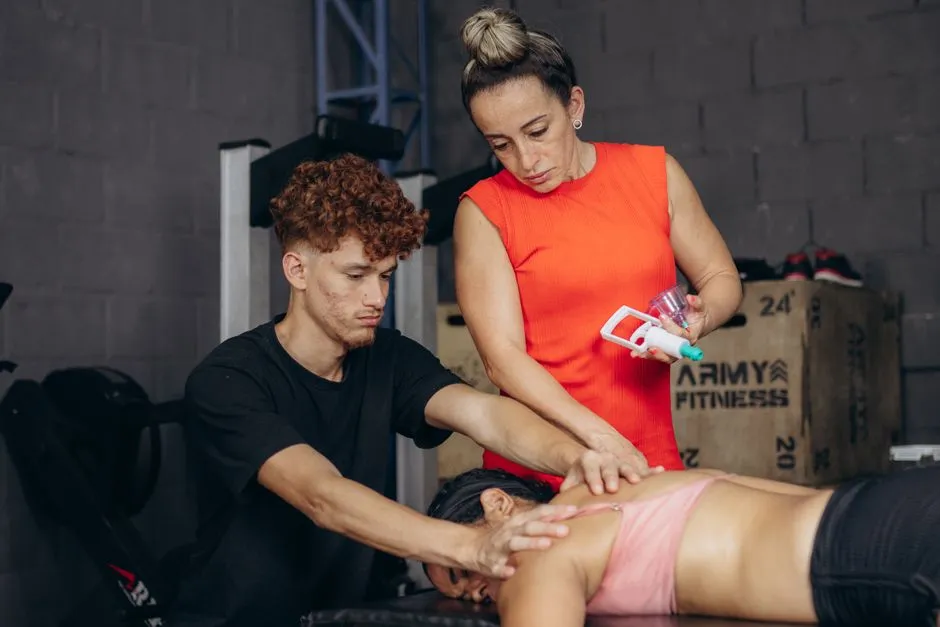
Maintaining proper posture and shoulder mobility is important, particularly for women managing routine health milestones like regular breast cancer screenings and preventative check-ups. Everyday habits—such as prolonged sitting at desks, looking down at mobile devices, and natural age-related shifts in muscle mass—often lead to forward-head posture, rounded shoulders, and a hunched back. These postural changes increase mechanical stress on the spine, tighten chest muscles, and weaken the upper back and core, which can lead to discomfort or reduced range of motion in the shoulder girdle.
For women getting routine screenings or recovering from treatment, preserving upper-body flexibility is essential. Surgical interventions, biopsies, or general tension can cause scar tissue and muscular tightness around the chest and shoulders. When people restrict the movement of their arms and shoulders due to apprehension, discomfort, or fatigue, those muscles can quickly lose flexibility. Adding targeted, low-impact movements to a daily routine helps counteract these tendencies by gently lengthening tight pectoral tissues and stabilizing the upper back.
Integrating structured physical activity into daily life also offers systemic advantages. Medical organizations, including the American Society of Clinical Oncology, emphasize that regular aerobic and resistance exercise is a key part of health. Being physically active helps regulate hormones like insulin and estrogen, supports a healthy immune system, reduces chronic inflammation, and manages treatment-related side effects such as fatigue and joint pain. By focusing on low-impact routines that prioritize alignment and gentle mobility, women can build a better foundation for overall health and everyday functional capacity.
Essential postural foundations and deep breathing techniques
Foundational Postural Practices
- Deep Diaphragmatic Breathing — Inhale gently through the nose and exhale slowly through the mouth 3–5 times to relax neck and shoulder tension.
- Chin Tuck Alignments — Pull chin straight back using an index finger as a guide and hold for 5 seconds to strengthen deep neck flexors.
- Controlled Shoulder Rolls — Perform 10–15 repetitions in slow circles in both forward and backward directions.
- Scapular Retraction — Gently squeeze shoulder blades together for 3–5 seconds without shrugging toward the ears.
Establishing a baseline of core awareness and diaphragmatic control ensures that physical activity is safe and effective. Deep breathing exercises encourage relaxation, help reduce anxiety associated with medical appointments, and engage the deep abdominal stabilizers required for neutral spinal alignment. To perform a basic deep breathing exercise, sit comfortably in a sturdy chair or on the floor, inhale gently through your nose to fill your belly with air, and exhale slowly through your mouth. Repeating this cycle three to five times helps center the mind and relax tension in the neck and shoulders.
The chin tuck is another way to correct forward-head posture. This exercise strengthens the deep neck flexors and stretches the tight muscles along the sides of the neck strained by daily slouching. To do a chin tuck, sit or stand with your back straight and shoulders relaxed. Place an index finger on your chin to help guide the movement, then pull your chin straight back without tilting it up or down. Holding this position for five seconds before returning to the neutral starting point helps the neck return to its natural alignment over the shoulders.
Scapular stabilization movements also help protect the shoulder joints during daily tasks. For shoulder rolls, move your shoulders in a slow, controlled circle, performing ten to fifteen repetitions in both directions. With scapula retraction, sit or stand tall and gently squeeze your shoulder blades together for three to five seconds without shrugging your shoulders toward your ears. These simple habits improve body awareness and ease upper back tension, preparing the body for more comprehensive stretching and strengthening routines.
Targeted low-impact exercises for shoulder mobility and upper back strength

Improving upper-body mechanics requires balancing the stretching of tight areas—like the chest—with the strengthening of posterior stabilizing muscles. The standing chest opener is a simple movement that addresses the pectoral tightness caused by prolonged sitting or protective posturing. To perform this exercise, stand tall with feet hip-distance apart, extend your arms behind you, and clasp your fingers together. If clasping the hands is uncomfortable, holding either end of a small towel is an alternative. Lifting the chest gently toward the ceiling while drawing the shoulder blades together for fifteen to twenty seconds opens the thoracic spine and relieves chest tightness.
Wall angels are another effective, low-impact way to build upper back and shoulder strength while improving joint mobility. Standing with your back, head, and midsection pressed against a wall, bend your elbows and raise your arms out to the sides at shoulder height, keeping the backs of your arms in contact with the wall. Slowly slide your arms upward to form a "V" shape and lower them back down in a controlled motion, maintaining a pain-free range of movement. This exercise engages the scapular stabilizers and encourages correct spinal alignment.
To strengthen the back muscles that support upright posture, resistance band rows are a safe, scalable option. By securing a resistance band to a stable anchor point at chest height and pulling the handles backward until elbows align with the torso, individuals engage the latissimus dorsi, rhomboids, and rear deltoids. Squeezing the shoulder blades at the peak of the movement for three seconds helps reinforce the muscular endurance needed to sit and stand tall throughout the day. Always consult with a healthcare provider before starting any new exercise program, especially if recovering from recent diagnostic procedures or surgeries, to ensure modifications match your individual clinical needs.
References
Related Posts
 HEALTH
Coping with anxiety and self-doubt: Managing emotional stress after a clear mammogram screening
Explore why emotional distress and anxiety persist even after receiving a clear mammogram screening, and learn evidence-based coping strategies to manage post-screening stress.
 HEALTH
Anti-inflammatory diet for breast health: Foods to eat during mammogram follow-up
Discover how an anti-inflammatory diet can support breast health, lower long-term cancer risks, and provide nutritional guidance during a mammogram follow-up.

Popular Posts
Coping with anxiety and self-doubt: Managing emotional stress after a clear mammogram screening
Anti-inflammatory diet for breast health: Foods to eat during mammogram follow-up

Comparison of flydubai hand baggage allowance versus other low cost carriers