Anti-inflammatory diet for breast health: Foods to eat during mammogram follow-up
Discover how an anti-inflammatory diet can support breast health, lower long-term cancer risks, and provide nutritional guidance during a mammogram follow-up.
Understanding the link between inflammation and breast health
Key Biological Effects of an Anti-Inflammatory Diet
- •Lowers chronic systemic inflammation and tissue oxidative stress
- •Helps stabilize circulating insulin and estrogen levels
- •Supports immune function and natural tissue repair
Navigating a mammogram follow-up can be an anxious experience. While waiting for results or further diagnostic imaging, many women look for ways to support their overall well-being. Nutrition is a modifiable lifestyle choice that affects systemic inflammation, hormonal balance, and cellular defense. Research shows that chronic, low-grade inflammation is linked to cellular changes and the development or progression of breast diseases. An anti-inflammatory diet helps optimize metabolic health during these periods of screening and uncertainty.
Dietary habits influence long-term health outcomes. Studies show that diets high in pro-inflammatory foods can increase the risk of breast-related complications, while anti-inflammatory, whole-food patterns are associated with lower risk profiles and improved survival rates. When people consume foods that provoke chronic inflammatory responses, they subject their tissues to oxidative stress and higher levels of circulating insulin and estrogen. Shifting toward plant-based foods helps counteract these processes and supports immune function and tissue repair.
The benefits of an anti-inflammatory diet come from whole dietary patterns that regulate metabolic pathways, not just isolated nutrient intake. For women undergoing screenings or diagnostic follow-ups, prioritizing these foods is a way to regain a sense of control over their health. By understanding how dietary components interact with inflammatory pathways, women can make choices that promote breast health and longevity.
Key anti-inflammatory foods to incorporate
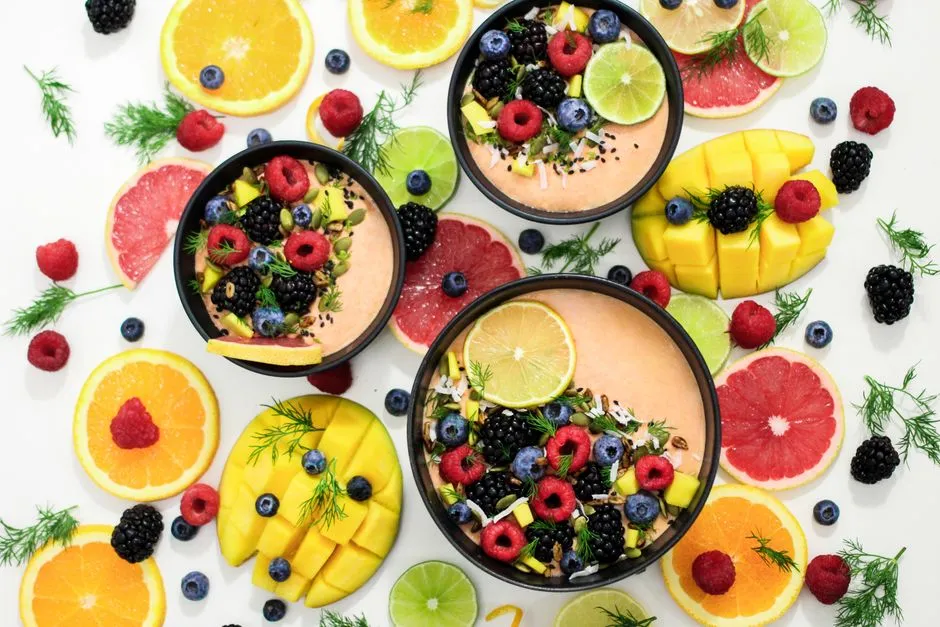
When planning an anti-inflammatory eating plan during a mammogram follow-up, focus on whole, minimally processed ingredients with antioxidants, healthy fats, and fiber. Fatty fish like salmon and mackerel are rich in omega-3 fatty acids. These fats have anti-inflammatory properties that help modulate the immune response and reduce systemic irritation. Eating these fish several times a week supports cellular health.
Fruits and vegetables are central to an anti-inflammatory diet. Berries, leafy greens like spinach, cruciferous vegetables such as broccoli, and citrus fruits provide vitamins C and E, as well as polyphenols and carotenoids. These antioxidants neutralize free radicals that can cause DNA damage within cells. Beverage choices also matter: green tea and coffee contain bioactive compounds with anti-inflammatory benefits and are better alternatives to sugary drinks.
Whole grains and legumes are also important for balanced nutrition and gut health. Oats, brown rice, quinoa, and whole-wheat products provide energy without the sharp blood sugar spikes caused by refined carbohydrates. The fiber in these foods helps regulate estrogen metabolism and promotes a healthy gut microbiome. Whole soy foods, like tofu and edamame, provide plant-based protein and isoflavones without adverse health risks.
Foods and dietary habits to limit
Pro-Inflammatory Foods to Limit
- Red and processed meats — Hot dogs, sausages, and deli cuts increase disease risk
- Refined sugars and carbs — Sweets and sweetened drinks trigger rapid insulin spikes
- Fats used for high-temp frying — Butter and margarine create inflammatory compounds when fried
- Alcohol consumption — Disrupts hormone regulation and breast tissue health
It is also important to know which foods to restrict. Diets that promote inflammation are often high in red and processed meats—such as hot dogs, sausages, and deli cuts—which are linked to increased systemic inflammation and disease risk. Additionally, fats like butter and margarine, especially when used for high-temperature frying, can create compounds that increase inflammation in the body.
Refined carbohydrates and added sugars also contribute to chronic inflammation. Sugar, honey, and high-fructose corn syrup cause rapid increases in blood glucose levels. In response, the pancreas releases more insulin to clear the sugar from the bloodstream. High levels of insulin and glucose can stimulate cellular division and stress normal tissues. Minimizing sweets, pastries, and sweetened beverages helps stabilize metabolic function.
Finally, alcohol consumption influences breast cancer risk. Health guidelines recommend limiting or avoiding alcohol, as even moderate intake can affect hormone regulation and increase risk. By reducing processed meats, trans fats, refined sugars, and alcohol, women can support immune resilience and long-term breast tissue health.
References
- Nutrition and Breast Cancer
- Diets that promote inflammation could increase breast cancer risk – American Society for Nutrition
- How Diet Impacts Breast Cancer Risk and Outcomes
- Sugar, inflammation, and soy: How does nutrition influence breast cancer risk? | Cancer | Diet and Nutrition | UT Southwestern Medical Center
- Long-term anti-inflammatory diet in relation to improved breast cancer prognosis: a prospective cohort study

Coping with anxiety and self-doubt: Managing emotional stress after a clear mammogram screening
Comparison of flydubai hand baggage allowance versus other low cost carriers

Related Posts
 HEALTH
Low-impact exercises to improve posture and shoulder mobility for women undergoing regular breast cancer screening
Discover gentle, low-impact exercises designed to enhance posture and shoulder mobility, supporting overall health and wellness for women navigating breast cancer screenings and treatments.
HEALTHCoping with anxiety and self-doubt: Managing emotional stress after a clear mammogram screening
Explore why emotional distress and anxiety persist even after receiving a clear mammogram screening, and learn evidence-based coping strategies to manage post-screening stress.
Popular Posts
Low-impact exercises to improve posture and shoulder mobility for women undergoing regular breast cancer screening
Comparison of flydubai hand baggage allowance versus other low cost carriers

Best budget-friendly destinations from Dubai via flydubai