Dakar's Rhythmic Heartbeat: A Journey Through Senegal's Vibrant Capital
Ever wondered what it feels like to truly immerse yourself in a city that pulses with history, culture, and an undeniable zest for life? Join me as we explore Dakar, a place where every corner tells a story.
There are some cities that just grab you, pull you into their rhythm, and refuse to let go. Dakar, Senegal's bustling capital, is unequivocally one of them. Perched on the Cap-Vert peninsula, the westernmost point of the African continent, it’s a place where ancient history collides with a vibrant, forward-looking spirit. I used to think of West Africa as a distant, almost mythical land, but stepping onto the dusty, lively streets of Dakar, I realized it’s as real and as captivating as any place on earth. It’s a city that doesn't just offer sights; it offers an experience, a deep dive into a culture rich with "teranga," the Senegalese word for hospitality.
Honestly, Dakar doesn't do "tidy" in the way a European capital might. It does color, chaos, and a beautiful contradiction that makes every moment an adventure. From the moment you arrive, you're enveloped in a sensory feast: the scent of grilled fish mingling with exotic spices, the rhythmic beat of mbalax music spilling from open doorways, and the kaleidoscope of fabrics worn by passersby. It’s a city that demands you engage with it, to step off the well-worn path and let its stories unfold around you. And trust me, the stories here are profound, sometimes heartbreaking, but always, always resilient.
My journey through Dakar wasn't just about ticking off landmarks; it was about feeling the pulse of the city, understanding its soul. It meant getting wonderfully, gloriously lost in its markets, sharing unexpected smiles with strangers, and letting the sheer energy of the place wash over me. If you're looking for a destination that challenges, inspires, and leaves an indelible mark on your heart, then pack your bags. Dakar is calling, and it promises an unforgettable adventure.
Gorée Island: A Silent Echo of History
Just a short ferry ride from Dakar's bustling port lies Gorée Island, a UNESCO World Heritage site that stands as a poignant reminder of a darker chapter in human history. You step off the boat, and initially, it feels like a postcard: pastel-colored colonial buildings, bougainvillea spilling over stone walls, and the gentle lapping of waves against the shore. It’s almost deceptively charming, a serene beauty that belies the immense suffering it once witnessed.
But as you walk through its narrow, cobbled streets, the weight of history begins to settle. The most impactful site, without a doubt, is the House of Slaves (Maison des Esclaves). Standing before the infamous "Door of No Return," where countless Africans took their last steps on their home continent before being forced onto slave ships, is an intensely emotional experience. It’s a moment that transcends mere sightseeing, forcing you to confront the brutal realities of the transatlantic slave trade and the resilience of the human spirit.
Beyond the House of Slaves, Gorée offers a quiet beauty that encourages reflection. You can wander through the Historical Museum, explore the island's small art galleries, or simply sit by the ocean, contemplating the profound stories etched into every stone. The island, with its peaceful atmosphere and stunning views, serves as a powerful memorial, a place where the past is not forgotten but honored, allowing visitors to connect with a history that shaped continents.
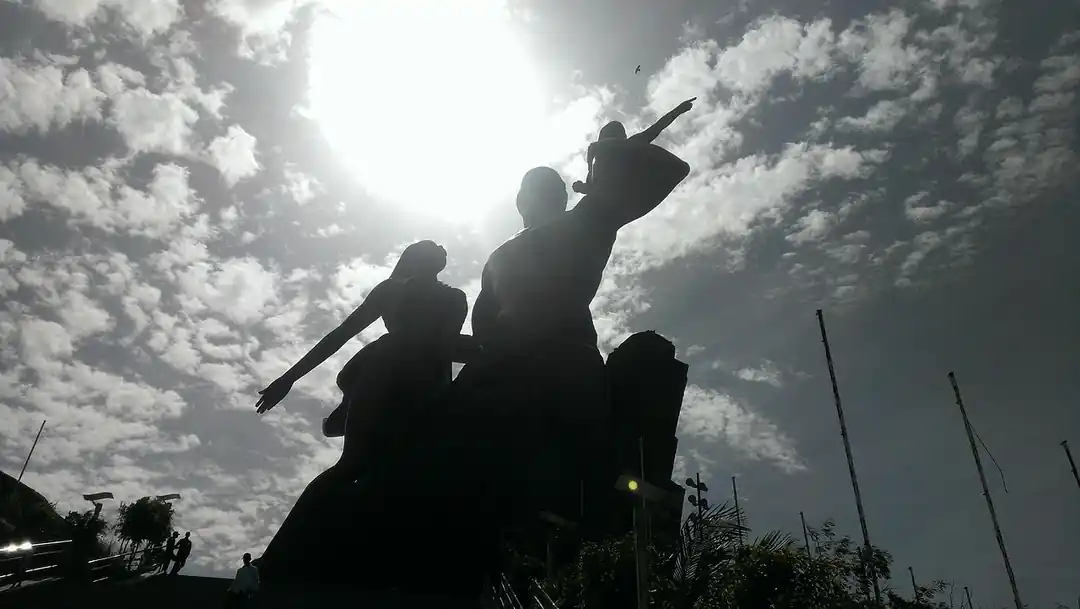
The African Renaissance Monument: A Symbol of Hope
Dominating the Dakar skyline, perched atop one of the city's twin hills, is the colossal African Renaissance Monument. This towering bronze statue, depicting a man, woman, and child emerging from a volcano, is impossible to miss and serves as a powerful symbol of Africa's emergence and future. Inaugurated in 2010, it commemorates Senegal's 50 years of independence and represents the continent's triumph over centuries of darkness.
While its sheer scale is impressive from afar, getting up close allows you to truly appreciate the intricate details and the powerful message it conveys. You can actually go inside the monument, climbing to the top for breathtaking panoramic views of Dakar, the Atlantic Ocean, and the surrounding landscape. It’s a perspective that truly highlights the city's sprawling energy and its unique position at the edge of a continent.
The monument, despite some initial controversies surrounding its cost and origin, has become an undeniable landmark and a point of national pride. It’s more than just a statue; it’s a statement, a declaration of Africa's strength, unity, and its bright future. Standing beneath its gaze, you can't help but feel a sense of optimism and the vibrant spirit of a continent reclaiming its narrative.
Dakar's Markets: A Symphony of Sights and Sounds
If you want to truly experience the beating heart of Dakar, you absolutely must dive into its markets. These aren't just places to shop; they are vibrant, chaotic, and utterly exhilarating cultural experiences. Marché Sandaga, for instance, is legendary. Even with its main building under renovation, the surrounding streets are a buzzing labyrinth of stalls selling everything imaginable – from colorful fabrics and intricate handicrafts to fresh produce and local delicacies.
Navigating Sandaga is an adventure in itself. The air is thick with the scent of spices, the chatter of vendors, and the lively art of haggling. It’s a place where you can find unique souvenirs, practice your French (or Wolof!), and witness the daily rhythm of Senegalese life unfold before your eyes. Just be prepared to get a little lost, embrace the sensory overload, and maybe even walk away with a few unexpected treasures.
Another gem is Kermel Market, housed in a beautiful colonial-era building. While perhaps a bit more organized than Sandaga, it still offers a fantastic array of goods, particularly fresh seafood, fruits, and vegetables. The architectural beauty of the market hall itself is worth the visit, and it provides a slightly less overwhelming, but equally authentic, market experience. These markets are where Dakar's soul truly shines, offering a glimpse into the everyday lives and vibrant commerce that define the city.
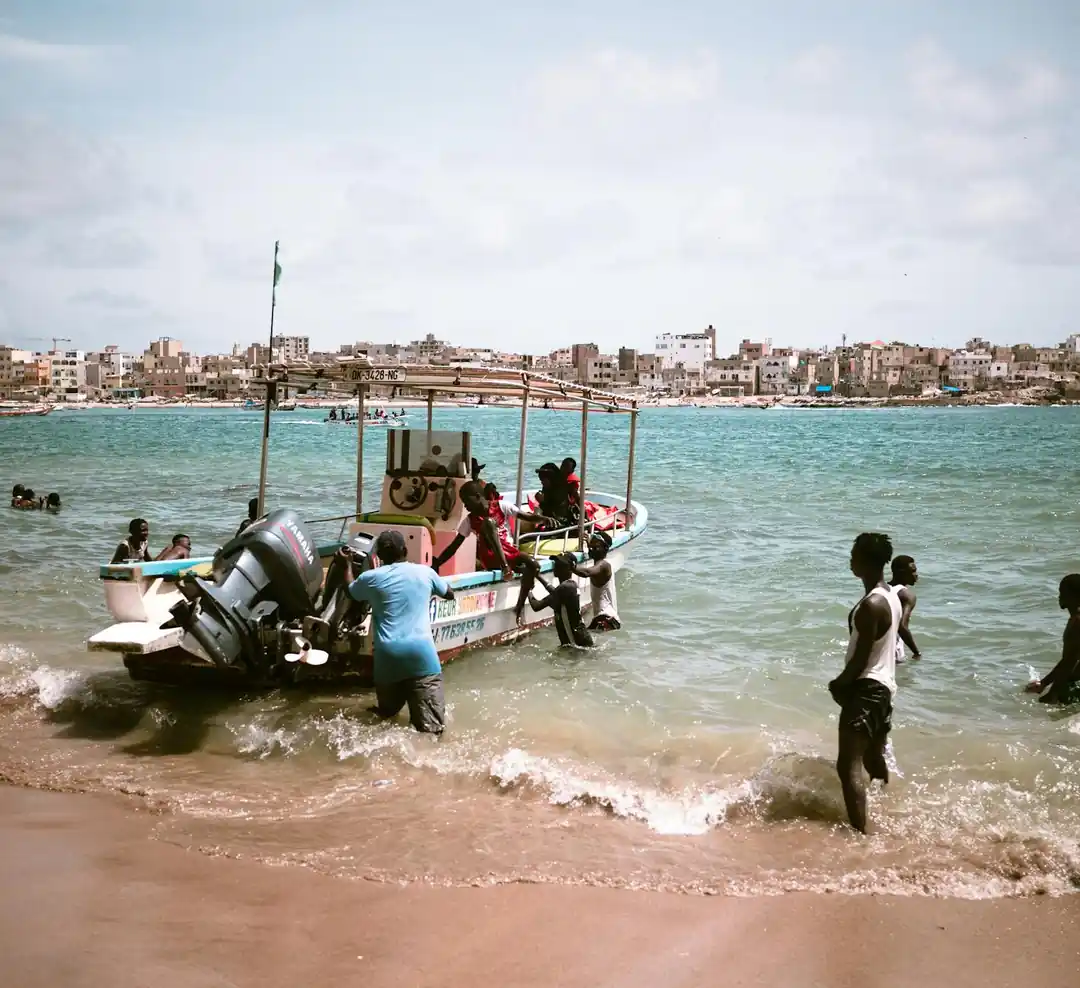
Ngor Island: A Tranquil Escape
When the bustling energy of Dakar becomes a little too much, a short pirogue (traditional wooden boat) ride will transport you to the serene shores of Ngor Island. It’s technically still part of Dakar, but it feels like stepping into an entirely different world, a slower, more peaceful rhythm of life. Here, there are no cars, no incessant traffic noise, just sandy paths, brightly painted houses, and the soothing sound of the Atlantic waves.
Ngor Island is a favorite among locals, surfers, and those seeking a quiet respite. You can easily walk around the entire island in under an hour, discovering hidden coves, charming cafes, and small art studios. The main draw, of course, are the pristine beaches where you can swim in the turquoise waters, soak up the sun, or enjoy freshly grilled fish at one of the beachfront shacks. It’s the perfect place to unwind, recharge, and pretend you’ve stumbled upon a secret paradise.
The island offers a stark contrast to the mainland, a testament to Dakar's diverse offerings. It’s a reminder that even within a bustling metropolis, pockets of tranquility and natural beauty can be found. Whether you're looking for a relaxing day by the sea or a taste of island life, Ngor Island provides a refreshing escape that feels miles away from the city's vibrant pulse.
Beyond the Mainstream: Hidden Gems and Local Flavors
While the major landmarks are essential, Dakar truly reveals itself in its less-trodden paths and everyday experiences. Take, for instance, the Mosque of the Divinity (Mosquée de la Divinité), a stunning mosque built right on the ocean's edge. Its unique architecture and picturesque setting make it a beautiful spot for quiet contemplation, especially at sunset when the light dances on the water.
For art enthusiasts, the IFAN Museum of African Arts (Musée Théodore Monod) is a treasure trove. As one of the oldest African art institutions in West Africa, it houses an impressive collection of masks, sculptures, textiles, and musical instruments, offering deep insights into the diverse artistic traditions of the continent. It’s a place where history and creativity intertwine, showcasing the rich cultural heritage of Senegal and beyond.
And then there's the food. Oh, the food! Dakar's culinary scene is a vibrant fusion of West African flavors with French influences. You absolutely must try Thieboudienne, the national dish of Senegal, a delicious concoction of fish, rice, and vegetables. From bustling street food stalls to charming beachfront restaurants in areas like Pointe des Almadies (the westernmost tip of Africa, known for its seafood), every meal is an opportunity to savor the rich, aromatic tastes of Senegal. It’s in these moments, these sensory delights, that Dakar truly captures your heart.
Dakar is more than just a destination; it’s an immersion. It’s a city that challenges your perceptions, broadens your horizons, and leaves you with a profound appreciation for its history, its people, and its vibrant spirit. From the solemn echoes of Gorée to the hopeful gaze of the Renaissance Monument, from the chaotic symphony of its markets to the tranquil shores of Ngor, Dakar offers a journey unlike any other. It’s a place that stays with you long after you’ve left, a rhythmic heartbeat echoing in your memories, inviting you to return.

That Dream Trip to Senegal? Here’s the Real Deal on Vaccinations
The Ultimate Guide to Renting a Car and Driving in Morocco
Related Posts
 TRANSPORT
Beyond the Highway: Finding Canada's Soul on a Western Rail Adventure
Forget road trips. I'm talking about rediscovering the romance of travel on Via Rail's most scenic routes through the heart of the Canadian West. It’s an experience that changes you.
 TRAVEL TIPS
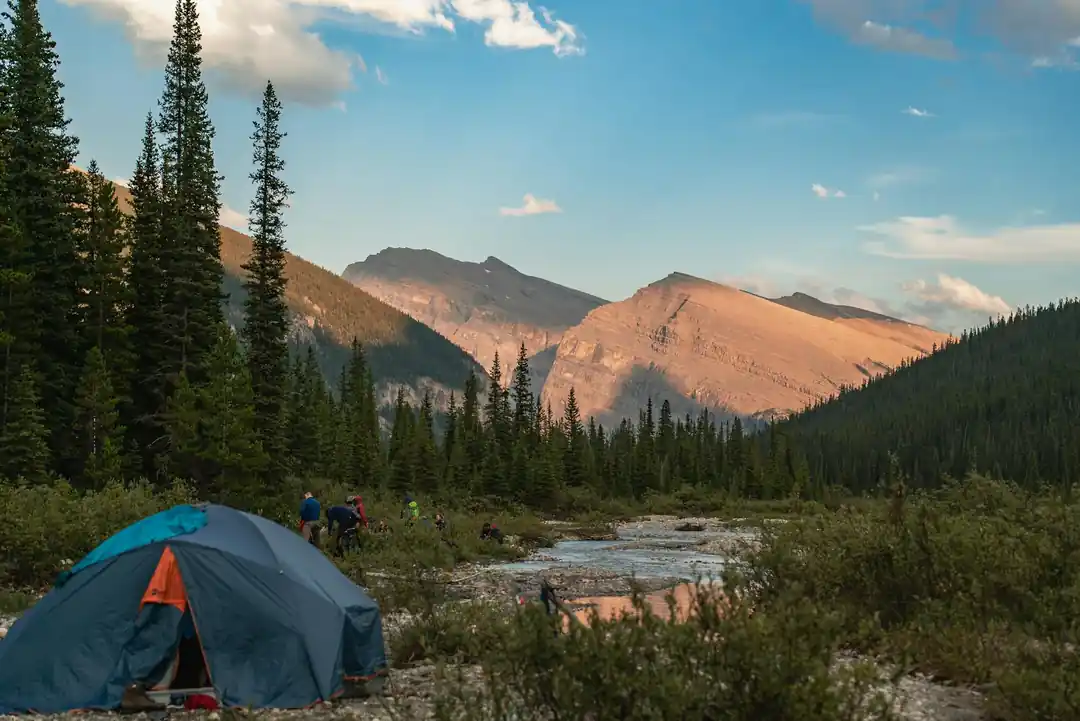
The Unwritten Rules of the North: What to Know Before Camping in Canada
Heading to the Great White North for a camping trip? It's an amazing idea. But from campfire etiquette to wildlife wisdom, here’s what you need to know before you go.

Popular Posts

Rethinking Non-Profit Promotion: Creative Strategies That Actually Drive Event Impact

Beyond Stark White: The Best Interior Paint Colors to Light Up Your New Space

How to Actually Master a New Language on Your Own (No Magic Gene Required)
