Thinking of a Moroccan road trip? It’s an incredible way to see the country. Here’s everything you need to know about renting a car, navigating the roads, and what to do at those police checkpoints.
There’s a certain magic to Morocco that gets under your skin. It’s in the scent of spices in a bustling medina, the vibrant colors of hand-woven carpets, the call to prayer echoing over a sleeping city, and the vast, silent expanse of the Sahara. While you can certainly experience its wonders through guided tours and public transport, there is a deeper, more personal journey waiting for those willing to take the wheel. A Moroccan road trip isn't just a vacation; it's an adventure that offers unparalleled freedom to explore at your own pace.
I’ll be honest, the idea of driving in Morocco felt a bit intimidating at first. I’d heard stories of chaotic city traffic, winding mountain passes, and frequent police checkpoints. It’s easy to let those narratives shape your expectations. But I’ve learned that with a bit of research and a confident mindset, renting a car is not only manageable but is arguably the best way to truly connect with the heart of this incredible country. It’s about the detours, the unplanned stops for mint tea with a view, and the freedom to chase a sunset over the Atlas Mountains.
So, if you're dreaming of charting your own course from the blue city of Chefchaouen to the desert gates of Ouarzazate, this guide is for you. We’ll break down everything from the rental process and essential documents to the unwritten rules of the road, ensuring you feel prepared and excited for the journey ahead.
Before You Go: Nailing the Car Rental Process
First things first, let’s get the logistics out of the way. Renting a car in Morocco is a fairly straightforward process, but having your documents in order is key to a smooth start. You will absolutely need your valid U.S. driver's license. While many rental agencies, especially international ones like Hertz or Sixt, will accept it without issue, I strongly recommend getting an International Driving Permit (IDP). It’s an official translation of your license, easily obtainable from AAA for about $20. It’s not always asked for at the rental counter, but it can be invaluable if you're stopped at a police checkpoint or need to deal with insurance for any reason.
When it comes to choosing a rental company, you have two main options: well-known international brands or local Moroccan agencies. The big international companies often have newer cars, more transparent pricing, and a streamlined online booking process, which can provide peace of mind. Local companies, on the other hand, can sometimes offer more competitive prices. If you go local, just be sure to read recent reviews thoroughly and clarify all the details of the rental agreement, especially regarding insurance coverage and the security deposit.
Speaking of the deposit, you will need a credit card in the primary driver's name. Debit cards are almost never accepted for the security hold, which can be several hundred dollars. Make sure your card has a sufficient limit to cover this hold. As for the type of car, a smaller, economy-sized vehicle is often the best choice. It’s easier to navigate the narrow streets of ancient medinas and much simpler to park. Unless you’re planning serious off-roading in the desert, a standard two-wheel-drive car is perfectly adequate for most of the country's main roads and even many of the mountain passes.
On the Road: Understanding Moroccan Driving Culture
Once you have the keys in hand, the real adventure begins. Driving in Morocco is an experience in itself. The country has invested heavily in its infrastructure, and the main toll highways (autoroutes) connecting major cities like Marrakech, Casablanca, and Fes are modern and well-maintained. However, once you venture onto the smaller national or regional roads, the conditions can vary wildly. Be prepared for anything from smooth asphalt to gravel paths and the occasional pothole. My advice? Avoid driving at night. Rural roads are often unlit, and it's common to encounter pedestrians, cyclists, and even animals on the road after dark.
The driving style in cities can feel a bit… assertive. Lane discipline can be fluid, and honking is a form of communication, not necessarily aggression. It might mean "I'm here," "I'm about to pass," or just a general "hello." The best approach is to drive defensively, stay alert, and go with the flow. Roundabouts are extremely common and can seem chaotic, but the general rule is to yield to traffic already inside the circle. Take your time, be cautious, and you’ll get the hang of it.
Then there are the police checkpoints. You will see them. They are a regular feature on Moroccan roads, usually at the entrance and exit of towns. Don't be alarmed; it's a routine procedure. As you approach, slow down, make eye contact with the officer, and be prepared to stop if signaled. Often, they’ll see you’re a tourist and wave you right through. If you are stopped, a friendly "Bonjour" or "Salam" goes a long way. Have your license, IDP, and car rental papers handy. Most interactions are professional and quick.
Epic Drives and Essential Stops
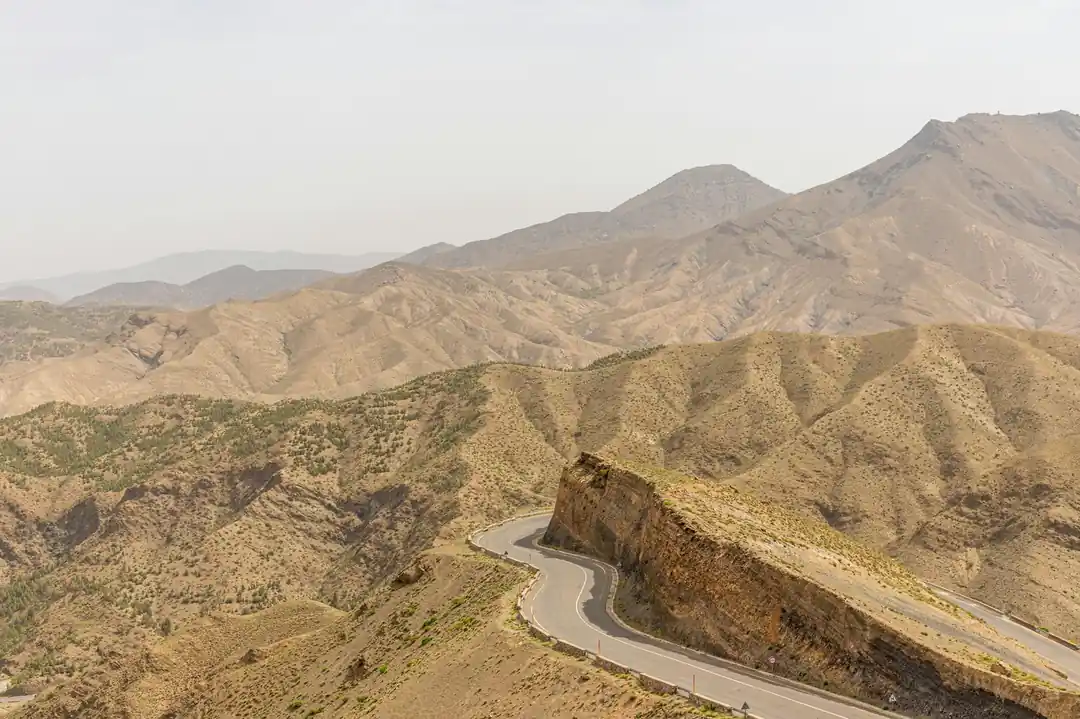
The true reward of renting a car in Morocco is the ability to experience its breathtakingly diverse landscapes up close. There are countless incredible routes, but a few stand out as truly unforgettable. The drive through the High Atlas Mountains via the Tizi n'Tichka pass is nothing short of spectacular. This winding road climbs over 7,400 feet, offering jaw-dropping views of terraced valleys and traditional Berber villages clinging to the mountainsides. Take it slow, as the road is full of hairpin turns, and allow a full day to travel between Marrakech and Ouarzazate to truly appreciate the scenery.
From Ouarzazate, often called the "Hollywood of Morocco," you can drive the "Road of a Thousand Kasbahs." This route takes you through the Dadès and Todra Gorges, where towering canyon walls of red rock create some of the country's most dramatic landscapes. The road winds through lush palm groves and past ancient, fortified kasbahs that seem to rise organically from the earth. It’s a journey back in time and a photographer’s paradise.
Another fantastic option is to explore the Atlantic coastline. Driving south from the artsy surf town of Essaouira towards Taghazout and Agadir reveals a different side of Morocco. Here, you’ll find rugged cliffs plunging into the ocean, long stretches of sandy beach, and a more laid-back vibe. It’s the perfect route for those looking to combine cultural exploration with some time by the sea. No matter which path you choose, remember that the journey is the destination. Allow for spontaneity, stop when a view calls to you, and embrace the freedom of the open road. It’s in those unscripted moments that the true magic of Morocco reveals itself.
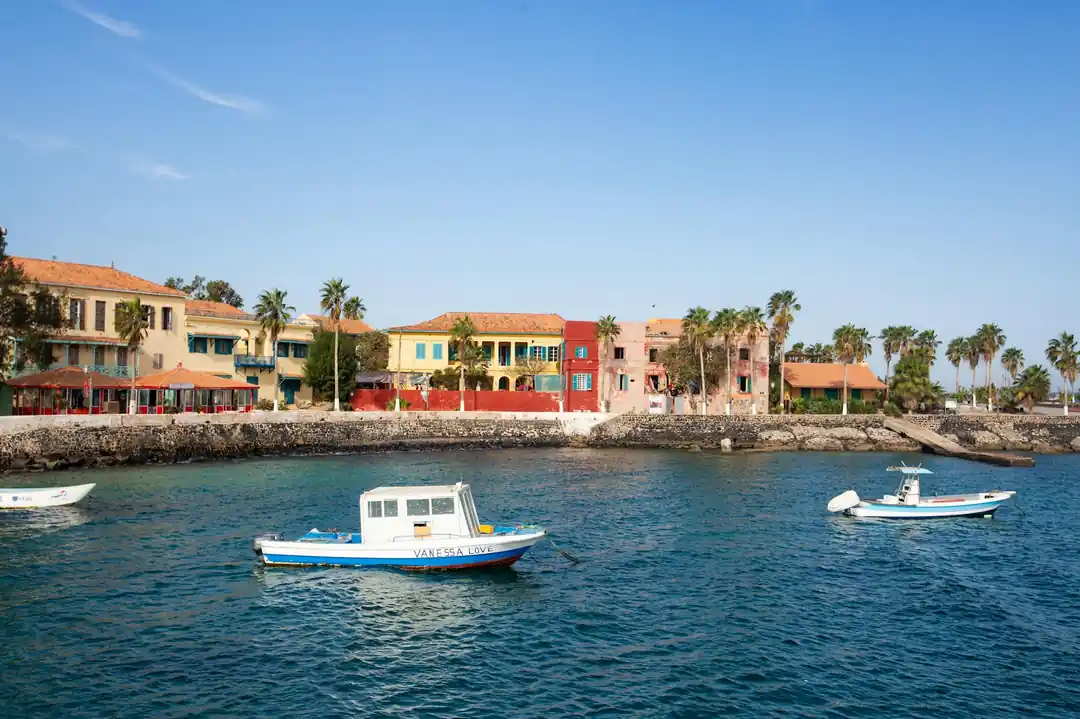
Dakar's Rhythmic Heartbeat: A Journey Through Senegal's Vibrant Capital
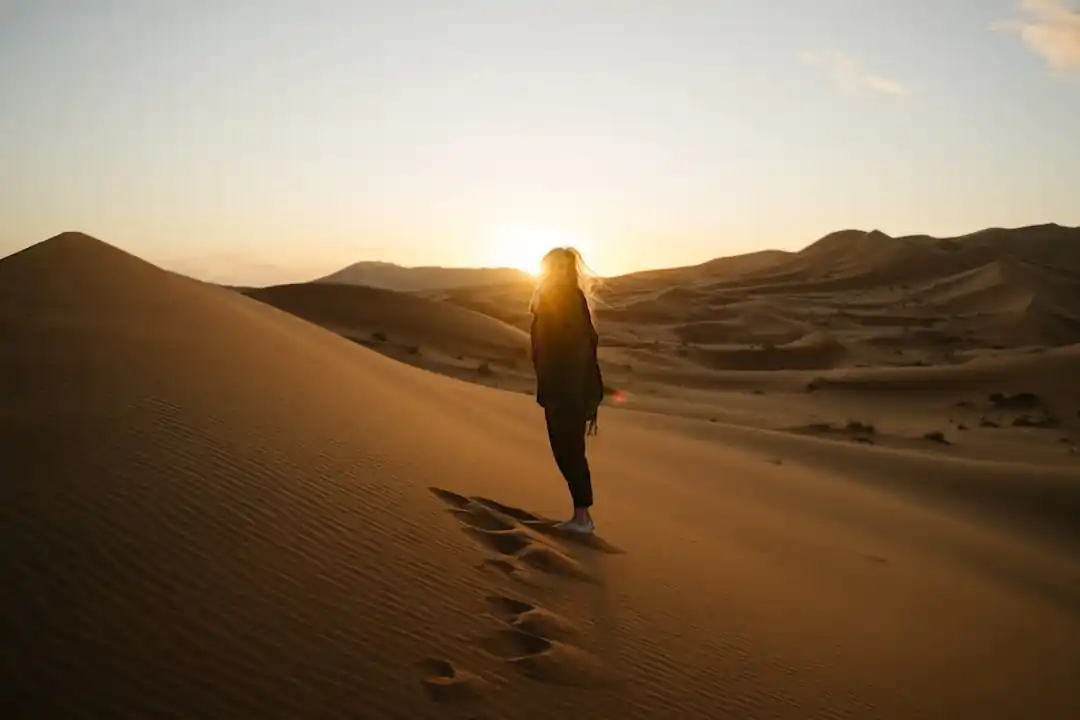
The Solo Female Traveler's Guide to Morocco: A Deep Dive into Safety
Related Posts
 TRANSPORT
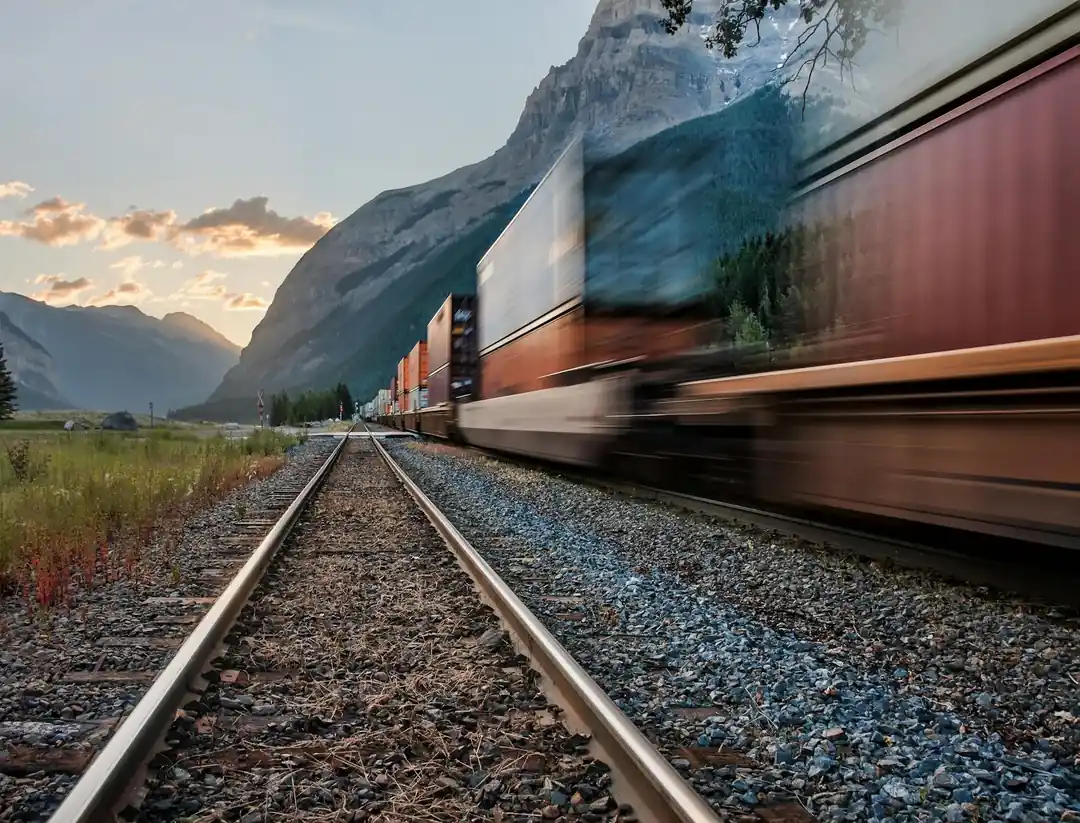
Beyond the Highway: Finding Canada's Soul on a Western Rail Adventure
Forget road trips. I'm talking about rediscovering the romance of travel on Via Rail's most scenic routes through the heart of the Canadian West. It’s an experience that changes you.
 TRAVEL TIPS
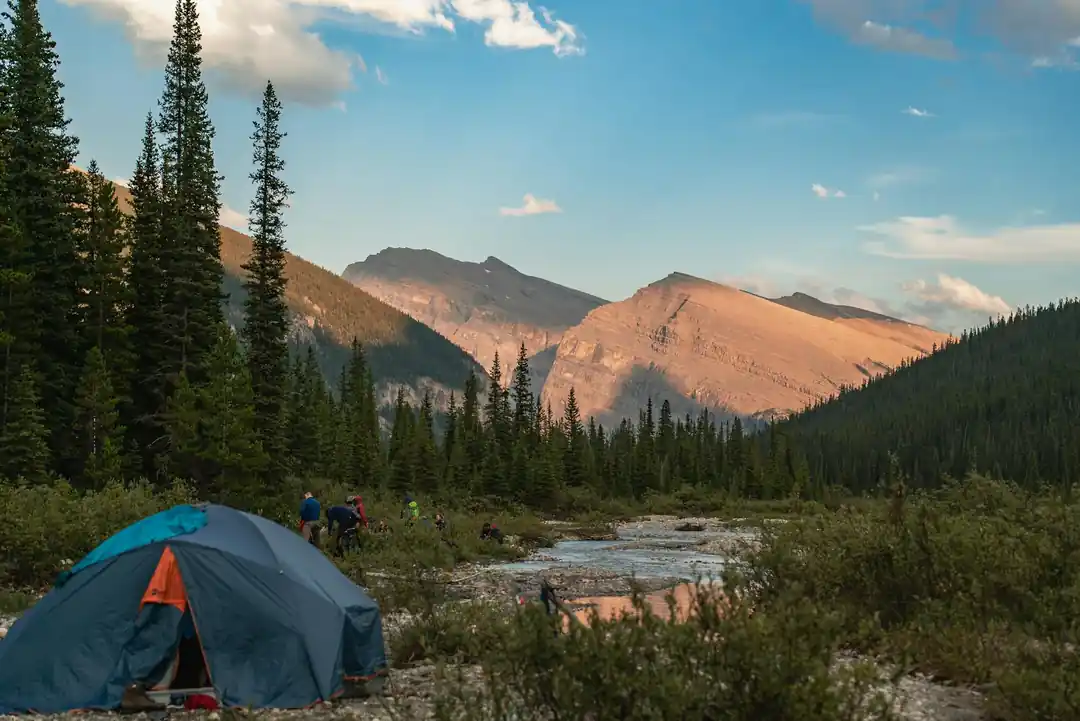
The Unwritten Rules of the North: What to Know Before Camping in Canada
Heading to the Great White North for a camping trip? It's an amazing idea. But from campfire etiquette to wildlife wisdom, here’s what you need to know before you go.
Popular Posts

Rethinking Non-Profit Promotion: Creative Strategies That Actually Drive Event Impact

Beyond Stark White: The Best Interior Paint Colors to Light Up Your New Space

How to Actually Master a New Language on Your Own (No Magic Gene Required)
